When to Seek Emergency Vet Care for Your Cat or Dog
When to Seek Emergency Vet Care for Your Cat or Dog
If you are a pet owner, few situations are more stressful than seeing your cat or dog suddenly ill or injured. Knowing whether your pet’s symptoms require urgent veterinary care can make the difference between a quick recovery and a more serious outcome. At ReadyVets, located at 5314 Wade Hampton Blvd Suite A, Taylors, SC 29687, we understand how frightening these moments can be. Our urgent-care veterinary clinic welcomes walk-ins, so you never have to wait for an appointment when your pet needs help the most. With extended hours and comprehensive in-house diagnostics, our team is here for families in Taylors and surrounding communities, especially when your regular veterinarian is unavailable. In this blog, we will guide you through the most important warning signs that your dog or cat may need immediate attention, explain what causes these emergencies, describe how our veterinary team manages critical cases, and help you feel confident in acting quickly for your pet’s health. If you are worried about sudden symptoms, our emergency veterinary care is available whenever you need it—no appointment needed.
Recognizing the Signs: When Is It an Emergency?
Every pet owner knows their animal’s usual behavior, but emergencies often arise suddenly and can look very different from day-to-day issues. Some symptoms are clear red flags, while others may be more subtle but still require quick action. Warning signs that your cat or dog may need urgent care include severe bleeding that does not stop within a few minutes, trouble breathing or noisy respiration, repeated vomiting or diarrhea (especially if blood is present), sudden weakness or collapse, seizures, inability to stand or walk normally, and significant trauma such as being hit by a car or a fall from a height. Other urgent symptoms include bloated or distended abdomen, straining to urinate without producing urine, exposure to toxins, heatstroke, or unresponsiveness.
In cats, additional signs like open-mouth breathing, sudden paralysis of the back legs, or profound lethargy should also prompt immediate evaluation. For dogs, pale gums, rapid heart rate, or persistent coughing may point to underlying emergencies. If your pet is in visible pain, vocalizing, or behaving aggressively due to discomfort, these are all reasons to seek immediate veterinary attention.
Why Do Pet Emergencies Happen?
Understanding the causes behind pet emergencies can help owners stay alert and prepared. Many emergencies stem from accidents, such as wounds, falls, or animal altercations. Internal issues like heart failure, urinary blockages (especially in male cats), and bloat (gastric dilatation-volvulus, most common in larger dogs) develop rapidly and may not be preventable. Poisoning from household items, foods, or plants is another common cause; chocolate, certain medications, and even some flowers can be life-threatening if ingested.
Heatstroke is a risk in the South Carolina climate, particularly during summer months when pets are left outside or in vehicles. Infectious diseases, severe allergic reactions, and complications from chronic conditions can also lead to emergencies. Sometimes, pre-existing health problems suddenly worsen, making it essential to monitor for changes in your pet’s normal behavior and routines.
What to Expect: Emergency Veterinary Care at ReadyVets
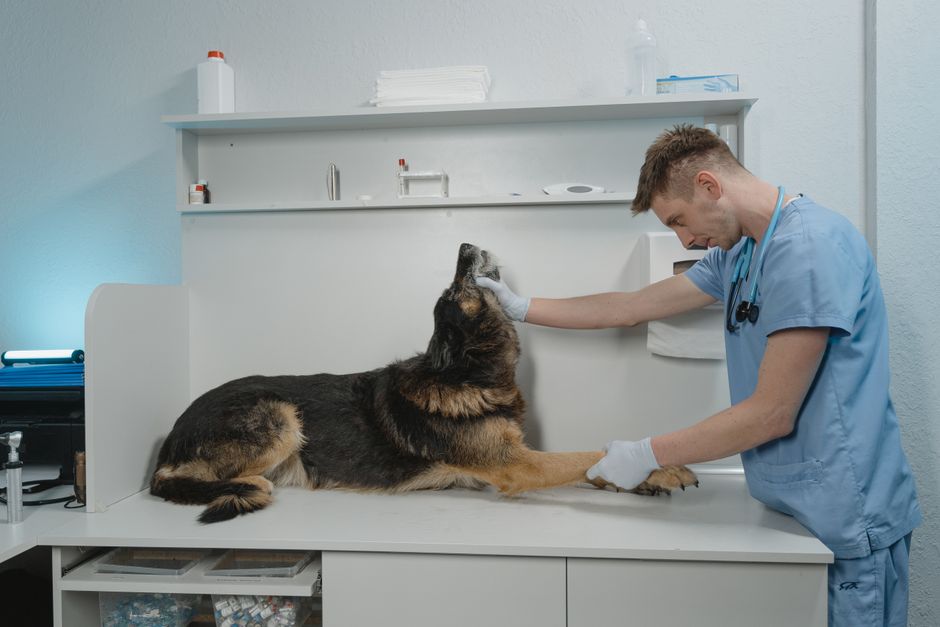
When your pet needs help, our veterinary team at ReadyVets is prepared to act quickly. Walk-ins are always welcome, and our clinic’s extended hours mean you do not have to wait for an appointment. Upon arrival, your pet will receive an immediate assessment by our veterinarians and support staff. Initial stabilization may involve administering oxygen, controlling bleeding, or providing intravenous fluids.
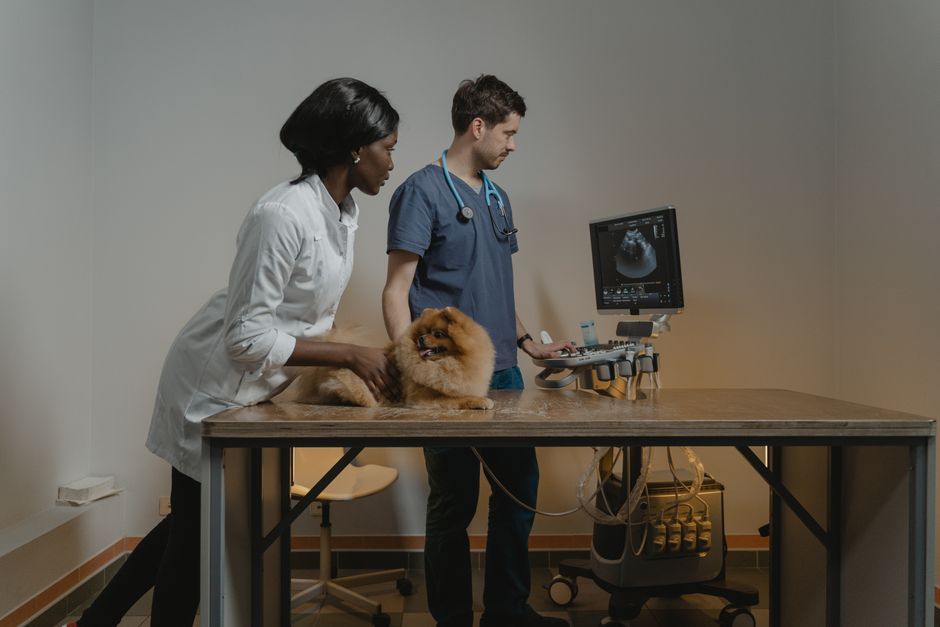
Our in-house diagnostic capabilities allow us to perform lab tests, digital radiology, and non-invasive ultrasound examinations on the spot, which helps us rapidly identify the underlying problem. For pets experiencing trauma, our team is skilled in wound repair, fracture management, and emergency surgery.
If your cat or dog has ingested a toxin or requires advanced support, we offer blood and plasma transfusions and critical care monitoring. Our facility is equipped to handle a wide range of emergencies, from gastrointestinal blockages to respiratory distress and severe infections. We understand how overwhelming these situations are for pet owners, and we will keep you informed and involved every step of the way.
Emergency Procedures and Support Services
Treatment options depend on the specific emergency but may involve stabilizing vital signs, pain management, and surgical intervention when necessary. For example, in cases of urinary blockage or bloat, emergency surgery can be life-saving. Gastrointestinal issues such as severe vomiting or foreign body ingestion may be managed through veterinary gastrointestinal care or surgical removal if indicated. Our diagnostic laboratory provides rapid bloodwork and other tests, ensuring your pet’s treatment plan is based on accurate, up-to-date information.
What You Can Do: First Aid and Prevention at Home
While some emergencies are unavoidable, taking prompt action and practicing prevention can help reduce risks. At home, you can minimize hazards by keeping toxic foods, plants, and medications out of reach; monitoring your pet’s access to outdoor spaces; and never leaving them in hot vehicles. If your pet has a chronic health condition, follow your veterinarian’s recommendations for medication and monitoring.
In an emergency, your first priority is getting your pet to a veterinary clinic promptly. Before transport, you can gently control bleeding with clean cloth, keep your pet warm and calm, and avoid unnecessary movement if trauma is suspected. Do not attempt to induce vomiting or give over-the-counter medications unless instructed by a veterinarian, as this can worsen some conditions. If you are unsure whether your pet’s symptoms are urgent, err on the side of caution and seek an evaluation—especially since our urgent-care clinic welcomes walk-ins and is available during hours when regular veterinarians may be closed.
When Should You Seek Immediate Veterinary Care?
Deciding whether to wait or head to an emergency clinic can be challenging. As a rule of thumb, any sudden, severe, or unexplained change in your pet’s health or behavior should be checked out right away. If your dog or cat is having trouble breathing, has suffered significant trauma, is bleeding uncontrollably, is unable to urinate, or is having seizures, do not delay—these are all true emergencies.
For persistent vomiting, diarrhea, refusal to eat or drink for more than 24 hours, or symptoms that rapidly worsen, an urgent-care visit is also warranted. Even if you are unsure, our veterinary team can help assess your pet’s condition and provide guidance. With no appointment needed and extended hours, ReadyVets is here to give your pet the help they need, exactly when they need it.
Why Immediate Action Makes a Difference
Time is often critical in veterinary emergencies. Rapid diagnosis and treatment improve the chances of full recovery and can prevent complications. Our team’s ability to perform in-house diagnostics and emergency procedures means your pet receives care without unnecessary delays. For pet owners in Taylors and surrounding communities, knowing where to turn in a crisis brings peace of mind. When searching for an emergency vet near me, it is important to choose a clinic with walk-in access, advanced diagnostic tools, and a compassionate approach to urgent care.
ReadyVets: Here When Your Pet Needs Us Most
At ReadyVets, our veterinarians are committed to protecting your pet’s wellbeing during life’s most stressful moments. We provide urgent and emergency veterinary care with walk-ins welcome—no appointment necessary. Our clinic, located at 5314 Wade Hampton Blvd Suite A, Taylors, SC 29687, serves Taylors and surrounding communities with extended hours, in-house diagnostics, and a full range of emergency services. If your dog or cat is experiencing sudden symptoms, trauma, or you are not sure if the situation is an emergency, do not wait—visit us right away or call (864) 920-2777 so our veterinary team can guide you. For more information about the care we provide, explore our emergency veterinary care and comprehensive veterinary care services. Your pet’s health and comfort are our top priorities, and we are always here when you need an emergency vet near me.
If you believe your pet is experiencing a medical emergency, seek immediate veterinary care. This blog is for informational purposes only and does not replace a professional examination or individualized medical advice.