When to Bring Your Pet to the Emergency Vet

When to Bring Your Pet to the Emergency Vet
When your dog or cat shows sudden, worrisome symptoms, every minute can feel like an eternity. As a pet owner, you want to make the right decision for your four-legged family member’s health, but it’s not always easy to know when troubling signs require an emergency vet visit. At ReadyVets, located at 5314 Wade Hampton Blvd Suite A, Taylors, South Carolina 29687, we understand how stressful these situations can be. Our veterinary team offers walk-in urgent care with extended hours, so you never have to wait for help when your regular vet is closed or unavailable. In this guide, we’ll explore the warning signs that mean your pet needs immediate attention, what to expect at an emergency veterinary clinic, and how to act quickly to protect your pet’s health. Whether you are in Taylors or the surrounding communities, you can count on us for compassionate, timely care with no appointment needed.
Recognizing the Signs: How to Tell If Your Pet Needs Emergency Care
Any sudden change in your dog or cat’s behavior, appearance, or energy level can be alarming. While some issues can wait for your regular veterinarian, others require urgent intervention to prevent lasting harm or even save your pet’s life. The most important thing is to trust your instincts and err on the side of caution if you are unsure.
Common Symptoms That Signal a Veterinary Emergency
Warning signs that indicate your pet needs emergency care include difficulty breathing, persistent vomiting or diarrhea (especially if blood is present), sudden collapse or inability to stand, severe lethargy or unresponsiveness, visible trauma such as wounds or broken bones, uncontrolled bleeding, and seizures or tremors. Additional red flags are pale gums, a distended or painful abdomen, exposure to toxins or poisons, difficulty urinating or defecating, and heatstroke symptoms like excessive panting, drooling, or weakness. If your pet is pregnant and experiencing trouble during labor, this is also an emergency.
Some situations are less obvious but equally urgent, such as your pet suddenly not eating or drinking for more than 24 hours, showing signs of extreme pain, or experiencing a sudden change in behavior like aggression or confusion. Cats, in particular, can hide symptoms until a problem becomes severe, so any rapid decline should be taken seriously.
Why Emergencies Happen: Understanding the Causes
Emergencies in pets can arise from a wide range of causes, including accidental injuries, underlying medical conditions, and environmental hazards. Understanding the common triggers can help you take preventive steps and respond quickly when something goes wrong.
Accidents and Trauma
Pets are naturally curious, and accidents happen quickly. Common causes of trauma include being hit by a car, falls from height, animal bites, or getting caught in doors. Traumatic injuries often lead to broken bones, wounds, or internal bleeding, all of which require immediate veterinary attention. Our wound repair services are designed to address these urgent injuries and help your pet recover as safely as possible.
Sudden Illnesses and Chronic Conditions
Underlying health issues such as heart disease, diabetes, or kidney failure can escalate without warning. For example, a diabetic pet may become weak or collapse due to low blood sugar, or a cat with urinary obstruction may suddenly strain and cry in pain. Gastrointestinal problems, including bloat in dogs or foreign object ingestion, can cause life-threatening blockages or infections. Our team uses in-house diagnostics, including digital radiology and laboratory services, to quickly pinpoint the cause and begin treatment without delay.
Environmental Hazards and Toxins
Common household dangers like antifreeze, chocolate, certain plants, or human medications can be highly toxic to pets. Even a small amount of a poisonous substance can cause rapid and severe symptoms, so it’s crucial to seek help right away if you suspect your pet has ingested something harmful. Fast intervention can make all the difference in these cases.
What to Expect at an Emergency Veterinary Clinic
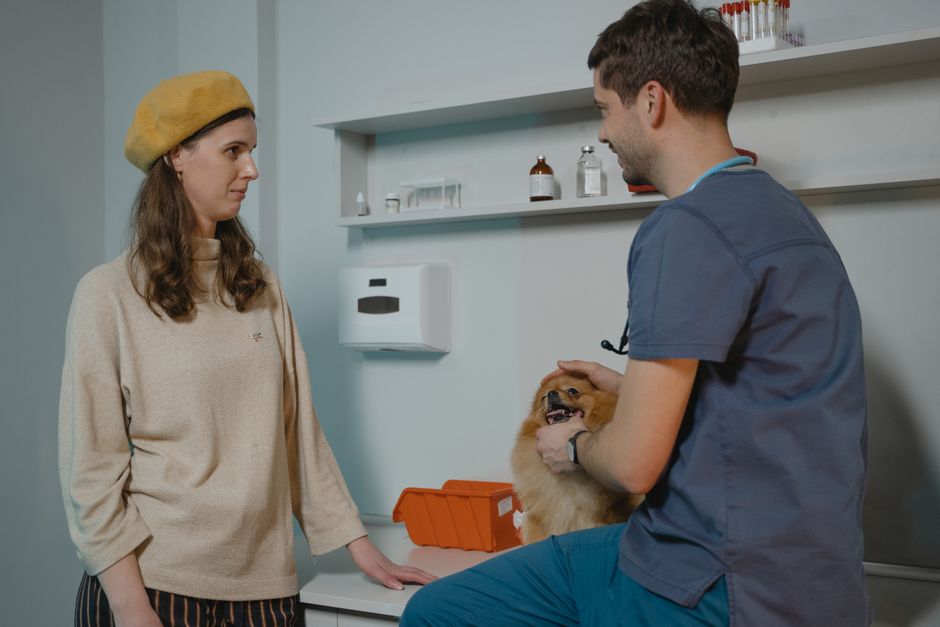
When you arrive at ReadyVets for emergency care, our veterinary team will prioritize your pet’s needs and perform a rapid assessment. Walk-ins are always welcome, and you do not need to call ahead—just bring your pet straight to our clinic during our extended hours.
The Triage Process
Upon arrival, your pet will be quickly evaluated to determine the severity of their condition. Pets in immediate distress, such as those having trouble breathing or experiencing severe bleeding, will be seen right away. Less critical cases may have a brief wait, but rest assured, every pet receives attentive care in a timely manner.
Diagnostic Testing and Treatment Options
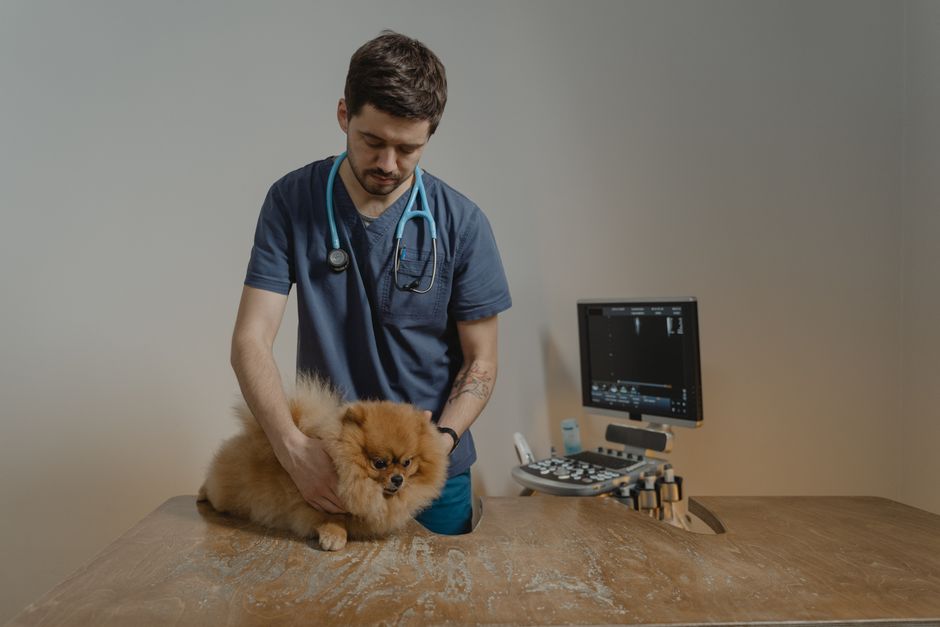
Our clinic is equipped with comprehensive in-house diagnostics, so we can provide thorough testing on the spot. This may include bloodwork, urinalysis, digital radiology, ultrasound imaging, or an electrocardiogram for cardiac concerns. Once a diagnosis is made, treatment may involve wound repair, fluid therapy, medication, pain management, or even surgery if needed. For pets experiencing blood loss, our blood and plasma transfusion service can be lifesaving.
Compassionate Support for You and Your Pet
Emergencies are stressful, and our veterinary professionals are here to guide you every step of the way. We’ll explain your pet’s condition, review treatment options, and answer your questions with empathy and honesty. Our goal is always to provide the best possible outcome for your dog or cat while supporting you through difficult decisions.
What You Can Do: Home Care and Prevention Tips
While some emergencies are unavoidable, there are steps you can take to reduce your pet’s risk and ensure a faster response if trouble arises.
Acting Quickly Can Save Lives
If your pet is injured or suddenly ill, the most important action is to seek veterinary care promptly. Do not attempt to treat severe wounds, fractures, or poisoning at home. For pets that are bleeding, apply gentle pressure with a clean cloth while transporting them to the clinic. If your pet is having trouble breathing, keep them calm and cool, and avoid any unnecessary handling. Never give human medications unless specifically instructed by a veterinarian, as many are toxic to dogs and cats.
Reduce Hazards Around the Home
Pet-proof your home by storing chemicals, medications, and toxic foods out of reach. Secure trash cans, keep small objects off the floor, and use pet gates or barriers to restrict access to dangerous areas. Supervise your pets outdoors, especially near busy roads, and make sure they are always properly identified with tags or microchips.
Monitor for Subtle Changes
Regularly observe your pet’s eating, drinking, and bathroom habits, as well as their energy level and behavior. Early detection of changes can help you catch problems before they become emergencies. If you notice anything unusual, don’t hesitate to contact a veterinarian for advice.
When to Seek Emergency Veterinary Care: Clear Guidelines
Deciding when to visit an emergency clinic can be difficult, especially if your pet’s symptoms seem mild or vague. However, certain situations always require immediate attention.
Emergencies That Should Never Wait
Bring your pet to the emergency vet right away if they experience difficulty breathing, persistent vomiting or diarrhea, collapse, uncontrolled bleeding, severe pain, seizures, suspected poisoning, or trauma from an accident. If your cat is straining in the litter box without producing urine, or your dog has a swollen, painful abdomen, these are urgent signs as well. Pregnant pets with prolonged labor or distress also need emergency care.
If you are ever unsure, remember that our team at ReadyVets is available for walk-in visits during extended hours. It is always better to err on the side of caution; prompt care can make all the difference for your pet’s recovery.
Your Partners in Emergency Care: ReadyVets in Taylors, SC
At ReadyVets, we are committed to being your local resource for urgent pet care in Taylors and surrounding communities. Our experienced veterinary team provides comprehensive emergency veterinary care with walk-ins welcome, extended evening and weekend hours, and advanced in-house diagnostics to ensure your pet receives the care they need when it matters most. Whether you are facing a sudden injury, unexplained illness, or any concerning change in your pet’s health, you do not have to wait for your regular veterinarian or search endlessly for an emergency vet near me—you can simply come to us for immediate support.
If you have questions or your pet is experiencing symptoms described in this guide, visit ReadyVets at 5314 Wade Hampton Blvd Suite A, Taylors, South Carolina 29687 during our extended hours. You can also reach our veterinary professionals at (864) 920-2777. Remember, no appointment is needed—your pet’s health and comfort are our top priority, and we are here when emergencies happen.
For more information on our emergency services and what to expect during your visit, explore our emergency veterinary care and digital radiology pages. Your peace of mind and your pet’s wellbeing matter to us—trust ReadyVets for urgent care when you need it most.