When Does Your Pet Need an Emergency Ultrasound?
When Does Your Pet Need an Emergency Ultrasound?
If your dog or cat suddenly falls ill, it can be a stressful and frightening experience. When symptoms appear out of nowhere—like trouble breathing, sudden belly pain, or unexplained weakness—it is natural to worry about what is happening inside your pet’s body. In urgent situations, a pet ultrasound can provide immediate answers and help your veterinary team make fast, life-saving decisions. Here at ReadyVets, located at 5314 Wade Hampton Blvd Suite A, Taylors, SC 29687, we offer walk-in exams and emergency ultrasound services with no appointment needed. Our in-house diagnostic tools mean your pet can get the care they need—right when they need it—especially during hours when your regular veterinarian may be closed.
This blog will help you recognize the warning signs that may require an urgent pet ultrasound, explain how ultrasounds work, and outline the steps our emergency veterinary team takes to get your pet on the road to recovery. We will also share when it is time to seek immediate care and how our Taylors urgent care clinic supports pets and their families in moments when every minute counts. If you are worried about your pet’s sudden symptoms, keep reading to learn what you should do next and how ReadyVets can help.
Recognizing When Your Pet Needs an Emergency Ultrasound
When your pet shows sudden or severe symptoms, knowing when to act is crucial. Certain warning signs suggest that something serious could be happening inside your pet’s body—something that cannot wait for a routine appointment. Key symptoms that may indicate the need for an emergency pet ultrasound include persistent vomiting or diarrhea, especially if there is blood; sudden abdominal swelling or bloating; straining to urinate or not passing urine at all; difficulty breathing or unexplained coughing; sudden collapse or weakness; and noticeable pain, restlessness, or sensitivity when you touch your pet’s abdomen. In some cases, pets may also show signs like pale gums, rapid heartbeat, or unexplained weight loss over a short period.
You might notice your dog trying to vomit without bringing anything up, or your cat hiding and refusing food—both are red flags. Sometimes, more subtle signs such as excessive panting, pacing, or a hunched posture can also point toward an internal issue. Because pets often hide discomfort, any sudden change in behavior combined with physical symptoms should prompt a trip to an emergency clinic. At ReadyVets, walk-ins are always welcome, and our team is prepared to evaluate urgent cases as soon as you arrive.
What Causes the Need for a Pet Ultrasound in Emergencies?
An ultrasound is a non-invasive imaging tool that allows veterinarians to see inside your pet’s body in real time. But what types of emergencies require this technology? Several critical conditions may prompt the need for an emergency pet ultrasound. For example, internal bleeding caused by trauma, ruptured tumors, or severe infections can all lead to life-threatening symptoms. Blockages in the stomach or intestines—caused by swallowed toys, bones, or hairballs—are common reasons for sudden vomiting or abdominal pain, and they can rapidly become emergencies if left untreated.
Urinary tract problems, such as bladder stones or obstructions, can prevent your pet from urinating and quickly lead to internal damage. In female pets, a life-threatening uterine infection called pyometra can cause sudden illness and requires immediate diagnosis. Heart problems, like fluid around the heart or abnormal heart rhythms, sometimes present as collapse or breathing difficulties and are another reason an ultrasound may be critical. Our veterinary professionals use ultrasound to pinpoint the cause of these symptoms, often right at the time of your visit.
Understanding the underlying cause is essential because it determines both the urgency and type of treatment needed. If you are interested in learning more about how we use advanced imaging in urgent situations, you can read about our veterinary ultrasound services.
How Emergency Pet Ultrasounds Work at ReadyVets
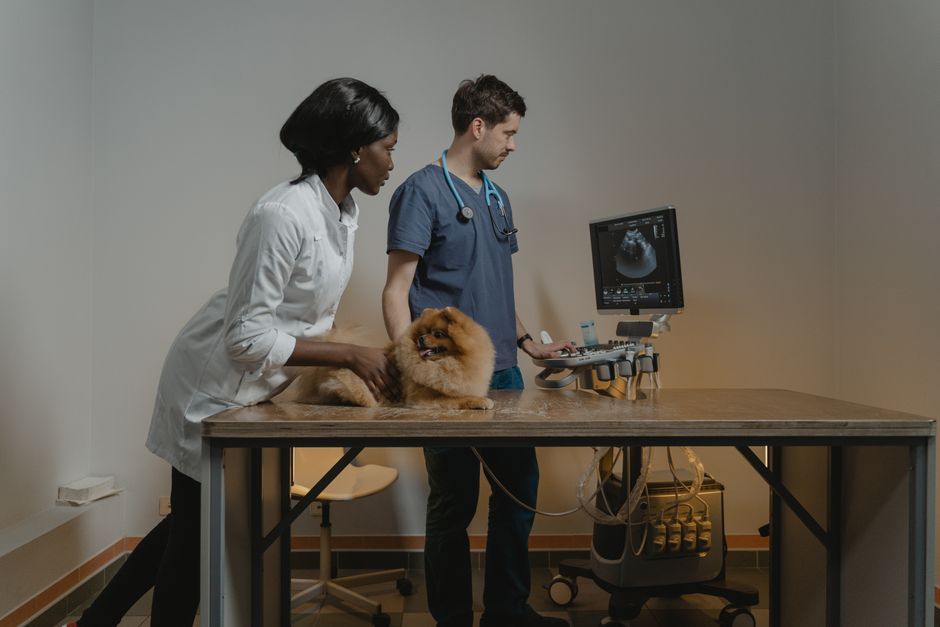
When your pet arrives at ReadyVets with an urgent health concern, our emergency veterinary team will quickly assess their condition to determine if an ultrasound is needed. This imaging tool uses sound waves to create pictures of your pet’s organs, allowing us to look for tumors, internal bleeding, blockages, or fluid buildup. Unlike X-rays, ultrasounds provide moving images that help us visualize soft tissue structures in detail, making them invaluable for diagnosing sudden or unexplained symptoms.
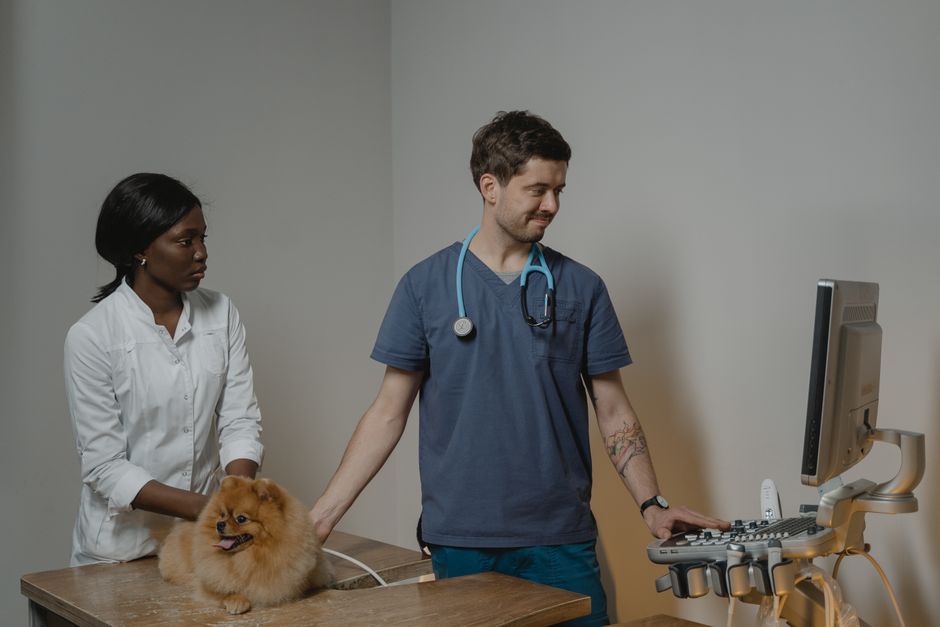
During the procedure, your pet will usually lie on a padded table while a trained technician gently applies a small probe to the shaved area of your pet’s belly or chest. The exam is painless and typically does not require sedation unless your pet is extremely anxious or uncomfortable. Real-time images appear on a monitor and are interpreted immediately by our veterinarians, so you get fast answers about your pet’s condition.
If the ultrasound reveals something concerning—such as a mass, fluid, or obstruction—our team will discuss next steps with you right away. This might include emergency surgery, intensive medical treatment, or further diagnostics. Because ReadyVets has a full in-house diagnostic laboratory, we can often combine ultrasound findings with lab results to make the most accurate and timely decisions for your pet’s care.
Managing Emergencies: What to Expect After a Pet Ultrasound
Once an emergency pet ultrasound has helped pinpoint the issue, our veterinary team will explain the findings and walk you through the treatment options. If your pet has a surgical emergency, such as a foreign body blockage or internal bleeding, we can move quickly to stabilize and operate right here in our Taylors clinic. For conditions like pyometra or bladder stones, urgent surgery may be necessary to remove the source of infection or obstruction.
In other cases, medical management may be possible. For example, pets with mild gastrointestinal upset without an obvious obstruction might be treated with fluids, medications, and monitoring. When ultrasound detects fluid buildup from heart failure or inflammation, our team can offer supportive care, medications, and close observation. Throughout the process, you will be kept informed every step of the way.
Our goal is to ensure that your pet receives immediate, compassionate care—no appointment needed. Because our clinic is equipped for both diagnostics and emergency procedures, you do not need to wait for a referral or delay care until regular veterinarians are available. Whether your pet requires emergency surgery, intensive monitoring, or advanced imaging, you can trust that our team is ready to act as soon as you walk in.
Caring for Your Pet at Home: What You Can Do Before and After an Emergency
While only a veterinary professional can perform an ultrasound and diagnose internal problems, there are steps you can take to help your pet before and after an urgent visit. If you notice any of the warning signs listed above—such as sudden abdominal swelling, ongoing vomiting, or difficulty urinating—remain calm and bring your pet to our clinic as soon as possible. Avoid giving food, water, or human medications unless instructed by a veterinarian, since this can sometimes worsen the problem.
After an emergency visit and ultrasound, follow all discharge instructions carefully. This may include giving prescribed medications, restricting activity, or offering a special diet. Monitor your pet closely for any changes or worsening symptoms, and do not hesitate to contact our clinic with questions or concerns. The recovery process varies depending on the diagnosis, so patience and close communication with our veterinary team are important. For pets with ongoing digestive issues, we also provide veterinary gastrointestinal care to support their recovery and long-term health.
When Should You Seek Immediate Veterinary Care?
If you are ever unsure whether your pet’s symptoms are serious, it is always better to be safe and seek emergency care. Immediate veterinary attention is needed if your pet collapses, has trouble breathing, cannot urinate, or appears to be in severe pain. If you see blood in vomit, stool, or urine, or notice your pet's abdomen is suddenly distended and hard, act quickly. Pets showing signs of shock—such as pale gums, rapid or weak pulse, or unresponsiveness—require urgent evaluation.
At ReadyVets, we understand that emergencies do not follow a schedule. That is why we offer extended hours and welcome walk-ins every day, including evenings and weekends. Our emergency veterinary team is here for you when your regular veterinarian is unavailable, providing fast access to diagnostics and treatment. If you are searching for an "emergency vet near me," know that our Taylors clinic is equipped to handle your pet’s urgent needs with compassion and expertise.
Trust ReadyVets for Emergency Pet Ultrasound in Taylors, SC
When your pet faces a sudden health crisis, timely answers can make all the difference. Emergency pet ultrasound is a powerful diagnostic tool that allows our veterinary team to rapidly identify what is happening inside your dog or cat—so we can start the right treatment without delay. At ReadyVets, we are committed to providing urgent care for pets in Taylors and surrounding communities, with walk-ins always welcome and no appointment necessary.
If you are worried about your pet’s health, do not wait. Visit us at 5314 Wade Hampton Blvd Suite A, Taylors, SC 29687 or call our team at (864) 920-2777 for fast answers and emergency pet ultrasound when every minute matters. For more information about our ultrasound and diagnostic services, explore our veterinary ultrasound services or learn about our emergency veterinary care. We are here for you and your pet whenever urgent care is needed—no appointment, just immediate help from a team you can trust.