
When Do Pets Need Emergency Ultrasounds?
When Do Pets Need Emergency Ultrasounds? Understanding Life-Saving Diagnostics at ReadyVets in Taylors, SC
When your dog or cat shows sudden signs of distress, every second counts. As a pet owner, it can be overwhelming to know when something is urgent and what kind of diagnostic care your pet might need. One advanced tool used in veterinary emergencies is the ultrasound—a non-invasive imaging technique that provides rapid insights into your pet’s internal health. At ReadyVets in Taylors, SC, we understand how critical fast answers are when emergencies happen. Our veterinary team offers in-house pet ultrasounds, allowing us to assess urgent health issues without delay. With walk-ins welcome and no appointment needed, you can access emergency veterinary care when your regular vet is closed, especially during evenings and weekends. In this blog, we’ll help you recognize when your pet might need an emergency ultrasound, what the procedure involves, and how our team at 5314 Wade Hampton Blvd Suite A, Taylors, South Carolina 29687 provides the expertise, technology, and compassion your pet deserves in those crucial moments.
Recognizing When Your Pet May Need an Emergency Ultrasound
Sudden, unexplained symptoms in dogs and cats can be frightening. Knowing when to seek urgent care for advanced diagnostics like pet ultrasounds can make a significant difference in your pet’s outcome. Key signs that may indicate the need for emergency imaging include sudden abdominal pain, persistent vomiting or diarrhea, labored breathing, unexplained swelling or bloating, and collapse. Additionally, symptoms such as difficulty urinating, visible blood in urine, or a distended abdomen in your pet can be a sign of life-threatening conditions, such as internal bleeding, organ dysfunction, or urinary blockage. If your pet is lethargic, unresponsive, or vocalizing in pain, these are all urgent warning signs that require immediate attention. Our team at ReadyVets is here to assess these symptoms quickly and determine if an ultrasound is necessary to pinpoint the cause.
How Fast Diagnostics Save Lives
In emergency situations, time is of the essence. Many life-threatening conditions in pets—such as internal bleeding from trauma, ruptured masses, or sudden heart failure—present with subtle but rapidly progressing symptoms. Pet ultrasounds allow our veterinarians to look inside your pet’s body in real-time, guiding life-saving decisions on the spot. For example, a dog hit by a car who is suddenly weak and pale may be experiencing internal bleeding that cannot be seen externally. An immediate ultrasound can reveal fluid in the abdomen or chest, helping our team act fast with the appropriate treatment. Similarly, cats who become suddenly lethargic or develop breathing difficulties might have fluid accumulation around the heart or lungs, which an emergency ultrasound can quickly identify. By providing this advanced imaging in-house, ReadyVets ensures that your pet receives the right care, right when it’s needed.
Common Emergency Conditions Requiring Pet Ultrasounds
Understanding which medical scenarios commonly require emergency pet ultrasounds can help you make informed decisions during a crisis. Some of the most frequent reasons include suspected internal bleeding, unexplained abdominal swelling, difficulty urinating, sudden collapse, and persistent gastrointestinal distress. Additionally, pets presenting with signs of heart disease, such as coughing, fainting, or severe lethargy, may benefit from a rapid ultrasound to evaluate the heart and surrounding structures.
Abdominal ultrasounds are often used to check for ruptured spleens, tumors, blockages, or foreign objects that your pet may have ingested. For example, if your dog suddenly becomes unwell after eating something unusual, an ultrasound can help locate any foreign material causing a blockage. Urinary emergencies, such as a cat straining in the litter box without producing urine, may indicate a blockage that can be visualized using ultrasound. In female pets, sudden weakness or discharge could signify a uterine infection (pyometra), which is another situation where emergency imaging is vital.
You can learn more about how our veterinary team uses advanced, non-invasive imaging to diagnose these issues by visiting our page on veterinary ultrasound services for pets.
Why Pet Ultrasounds Are Vital in Emergencies
The power of pet ultrasounds in emergencies lies in their ability to provide immediate visual information without the need for surgery or sedation in most cases. Unlike X-rays, which show bones and some organs, an ultrasound uses sound waves to create real-time images of your pet’s soft tissues and internal organs. This allows our veterinarians to identify masses, fluid, organ enlargement, or abnormal structures that require urgent intervention.
Emergency ultrasounds are especially valuable because they are safe, non-invasive, and can be performed quickly at the point of care. For example, if your pet arrives at ReadyVets after ingesting a toxin or experiencing trauma, our in-house team can use ultrasound to rapidly evaluate internal organs and guide treatment decisions. This means less waiting and faster relief for your pet, which is essential when seconds matter.
What to Expect During an Emergency Pet Ultrasound
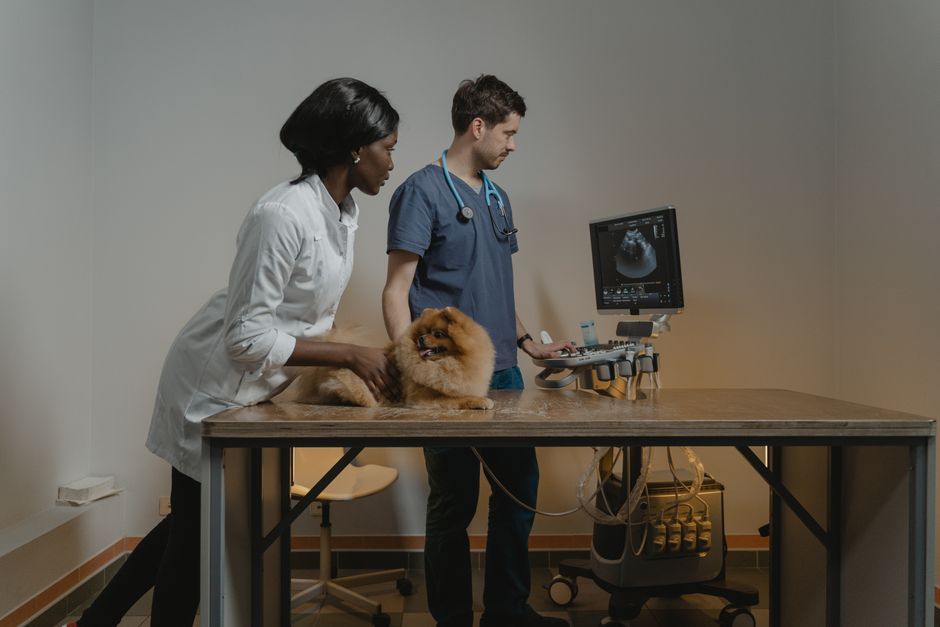
If your pet needs an emergency ultrasound at ReadyVets, our veterinary professionals will work efficiently to keep your pet as comfortable as possible while gathering the necessary information. Most ultrasounds are performed with your pet lying on a padded table; a small area may be shaved to allow the ultrasound probe to make direct contact with the skin. Warm ultrasound gel is applied, and the probe is gently moved over the area of concern. The entire process is painless, and in most cases, sedation is not required unless your pet is particularly anxious or in pain.
Our team will review the images in real-time and discuss the findings with you immediately. Depending on the results, your pet may need urgent surgery, medication, or hospitalization. In some situations, additional diagnostics like bloodwork or X-rays may be recommended to develop a complete treatment plan. We are committed to transparent communication throughout the process so you know exactly what is happening and why each test is being performed.
For more information about our in-house diagnostic capabilities, including laboratory testing to complement ultrasound findings, you can read about our veterinary diagnostic laboratory services.
Treatment and Next Steps After an Emergency Ultrasound
Once an emergency ultrasound has provided answers, treatment can begin right away. If the ultrasound reveals a surgical emergency—such as a ruptured spleen, intestinal blockage, or pyometra—our veterinary professionals can move quickly to stabilize your pet and prepare for surgery. Conditions that do not require immediate surgery may be managed with hospitalization, intravenous fluids, medications, or other supportive care.
Because ReadyVets offers a full range of emergency services, we are equipped to handle everything from wound repair to blood and plasma transfusions on site. If your pet’s ultrasound indicates the need for a procedure, our experienced team will explain the situation, review your options, and answer your questions. Your pet’s comfort, safety, and recovery are always our top priorities.
When surgery is needed, you can trust our team for emergency surgery services for pets right here in Taylors, so your pet does not have to be transferred elsewhere during a crisis.
How Pet Owners Can Support Their Pets in an Emergency
Although not all emergencies can be prevented, being prepared and attentive can make a difference. If your pet has a history of chronic illness, previous surgeries, or is prone to eating things they shouldn’t, keep an eye out for sudden changes. Symptoms such as vomiting, diarrhea, bloating, or collapse should never be ignored. Familiarize yourself with the location and hours of your local urgent-care clinic, and have a plan for how you’ll transport your pet in an emergency.
At home, you can support your pet’s health by feeding a balanced diet, keeping hazardous objects and foods out of reach, and ensuring regular checkups with your family veterinarian. If you notice anything unusual—especially after hours when your primary vet is closed—do not wait to seek help. Our clinic is open late and on weekends, providing critical care when you need it most.
When to Seek Emergency Veterinary Care for Pet Ultrasounds
If you ever find yourself questioning whether your pet’s symptoms are an emergency, it’s always better to err on the side of caution. Immediate veterinary attention is needed for signs such as collapse, difficulty breathing, severe pain, sudden bloating, or inability to urinate. These situations often require rapid diagnostics, including pet ultrasounds, to identify and treat the underlying cause.
At ReadyVets, we want you to know that walk-ins are always welcome, no appointment is needed, and our team is prepared to spring into action. Whether it’s a late-night crisis or a weekend emergency, you do not have to wait for your regular veterinarian to open. Our in-house ultrasound and diagnostic technologies mean answers and treatment are always within reach.
Trust ReadyVets in Taylors, SC for Emergency Pet Ultrasounds
In a veterinary emergency, having access to advanced diagnostics like pet ultrasounds can truly make the difference for your dog or cat. At ReadyVets, we are proud to serve Taylors and surrounding communities with compassionate, expert care every day of the week—even when other clinics are closed. If you are searching for an "emergency vet near me," remember that our doors are open for walk-in urgent care and life-saving diagnostics.
If your pet is in distress, don’t wait. Bring them directly to 5314 Wade Hampton Blvd Suite A, Taylors, South Carolina 29687, or call our team at (864) 920-2777 for guidance. You can also learn more about our emergency veterinary care and pet ultrasounds on our website. Your pet’s health and comfort are always our priorities—let our veterinary professionals help you when emergencies strike.