When Breathing Trouble in Pets Is an Emergency
When Breathing Trouble in Pets Is an Emergency
Breathing problems in pets are always frightening for pet owners. Whether your dog is gasping for air or your cat is panting and struggling, these moments can be overwhelming and sometimes life-threatening. At ReadyVets, located at 5314 Wade Hampton Blvd Suite A, Taylors, South Carolina 29687, our veterinary professionals understand how critical it is to act quickly when your pet can't breathe normally. Walk-ins are always welcome at our urgent care clinic, so you never need an appointment to get help during an emergency.
In this blog, we'll guide you through the warning signs of pet emergencies related to breathing, explain what might cause these distressing symptoms, and share how our team responds with immediate care and advanced diagnostics. You'll also find practical advice for recognizing issues early and understanding when to seek an emergency vet near me. We serve Taylors and surrounding communities, providing rapid access to pet diagnostic services and emergency care whenever your regular veterinarian isn't available. If you're concerned about breathing problems in pets or want to know what to do in an emergency, keep reading for answers and peace of mind.
Recognizing Breathing Problems in Pets: What Every Owner Should Watch For
When pets have trouble breathing, the signs can range from subtle to dramatically obvious. Recognizing these signals early can mean the difference between a full recovery and a dangerous outcome. Key symptoms of respiratory distress include rapid or labored breathing, open-mouth breathing (especially in cats), persistent coughing, and wheezing sounds. You might also notice your pet standing with their neck extended, struggling to draw air, or making unusual noises when exhaling or inhaling. If your pet's gums or tongue appear blue or pale, this is a critical sign that oxygen levels are dangerously low.
Other signs of pet emergencies involving breathing include sudden collapse, extreme lethargy, or a refusal to lie down due to discomfort. Some owners report their dog or cat panting heavily in cool weather, or breathing with their abdomen moving more than usual. Any time your pet is breathing faster than normal for no apparent reason, or seems anxious and restless while trying to get comfortable, it's time to take immediate action.
It's important to remember that even mild symptoms can quickly progress to a life-threatening situation. If you notice any of these signs, do not wait to see if they resolve. Bring your pet to ReadyVets in Taylors right away. Our team is prepared to handle emergencies without an appointment, ensuring your pet receives fast, life-saving care.
Understanding the Causes of Breathing Problems in Pets
Breathing issues in dogs and cats can arise from many different causes, some of which develop suddenly and without warning. Common underlying problems include allergic reactions, infections such as pneumonia, heart conditions like congestive heart failure, and airway obstructions caused by foreign objects or swelling. In the warmer months, heatstroke is a frequent culprit, especially for pets left outdoors or in hot cars.
Other causes can involve trauma to the chest, exposure to toxins, or anatomical abnormalities such as collapsing trachea in small-breed dogs. In cats, asthma is a leading cause of respiratory distress, while brachycephalic (flat-faced) breeds are at higher risk for airway problems due to the shape of their skulls. Sometimes, tumors or growths within the chest or airway can restrict breathing and develop without symptoms until a crisis occurs.
For pet owners in Taylors and surrounding communities, local climate and allergens may also contribute to seasonal flare-ups in sensitive animals. Rapid diagnosis is essential to determine the specific cause of your pet's breathing problems and to guide the most effective treatment plan.
Emergency Treatment and Diagnostics for Breathing Problems in Pets
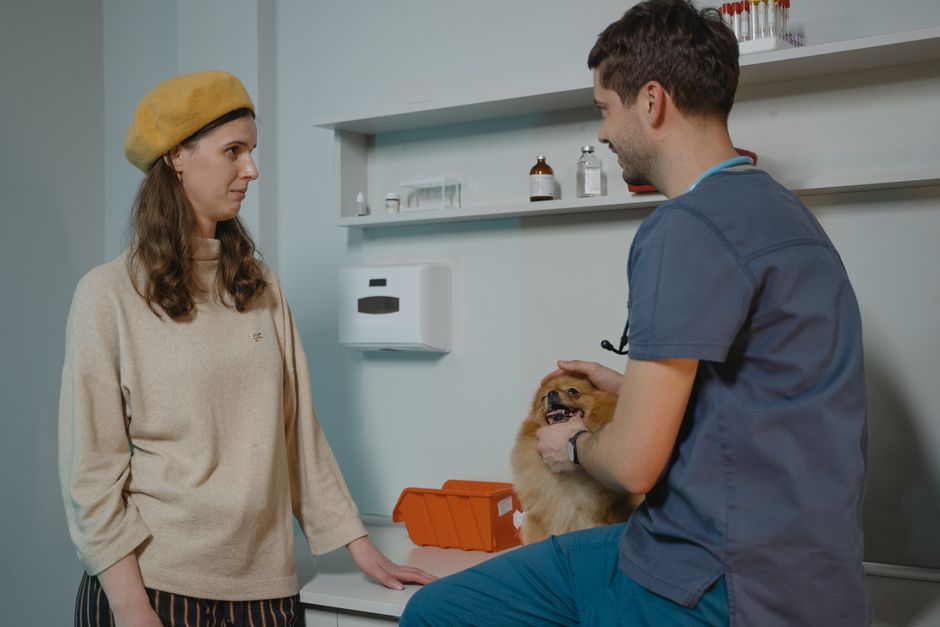
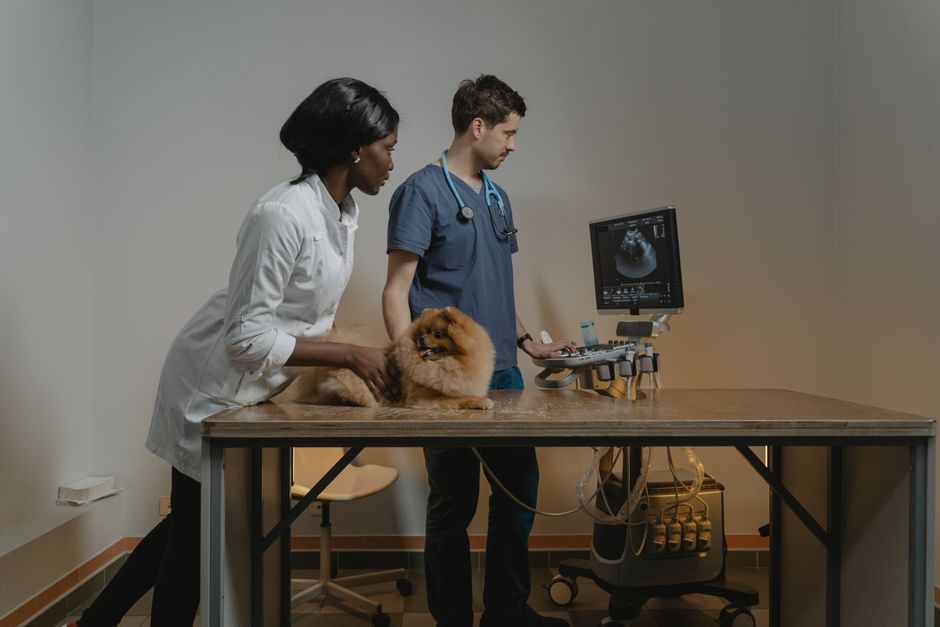
When you bring your pet to ReadyVets with breathing problems, our veterinary team acts quickly to stabilize and assess your companion. Immediate treatment often starts with oxygen therapy and supportive care to ensure your pet is as comfortable and safe as possible. Our clinic is equipped with a full in-house diagnostic laboratory, digital radiology, and vet ultrasounds to rapidly identify the cause of respiratory distress.
Diagnostic approaches commonly include chest x-rays to check for fluid, masses, or lung disease, as well as bloodwork to evaluate oxygen levels and underlying health issues. For certain cases, electrocardiograms may help detect heart-related causes, while ultrasound imaging can reveal hidden problems in the chest or abdomen. Our pet diagnostic laboratory services near Taylors provide rapid results, allowing us to tailor treatments to your pet's specific needs.
Treatment options depend on the underlying cause. For example, pets with allergic reactions may require medications like antihistamines or steroids, while those with infections might need antibiotics or hospitalization for intensive care. Airway obstructions are considered true emergencies; they may require sedation or surgery to remove the blockage. In cases of heart failure, medications and diuretics are used to control symptoms and improve breathing. Whatever the cause, our priority is to provide immediate, compassionate care with the latest veterinary diagnostics in Taylors.
Prevention and Home Care: Protecting Your Pet from Respiratory Emergencies
While not all breathing problems in pets can be prevented, there are steps owners can take to reduce the risk of emergencies. Keeping your pet up-to-date on vaccines can help prevent infectious causes of pneumonia and respiratory disease. For pets with known allergies or asthma, minimizing exposure to dust, smoke, strong chemicals, and pollen is important. During the hot, humid summers in South Carolina, always provide shade and fresh water, and never leave your pet in a parked car, even for a short time.
Monitor your pet's weight and fitness, as obesity can worsen respiratory function. For brachycephalic breeds, avoid strenuous exercise during hot weather and stay alert for signs of distress. If your pet is prone to chewing or swallowing foreign objects, pet-proof your home by keeping small items out of reach.
It's wise to familiarize yourself with the nearest emergency veterinarian near me and ensure you know how to safely transport your pet in an emergency. Keeping the contact information for ReadyVets handy, including our address and phone number, can save precious minutes if a crisis occurs.
When to Seek Immediate Veterinary Care for Breathing Problems
Prompt action is vital when your pet shows signs of respiratory distress. If your pet is struggling to breathe, breathing with an open mouth, making unusual sounds, collapsing, or if their gums or tongue appear pale or blue, you should seek emergency care immediately. These symptoms indicate a life-threatening emergency and require urgent intervention.
You should also consider emergency care if your pet is coughing persistently, breathing rapidly for no clear reason, or showing any signs of significant discomfort while breathing. If your regular veterinarian's office is closed or you cannot reach them, remember that ReadyVets is open for walk-in emergencies and urgent cases. Time is critical in these situations; fast, professional care can make all the difference in your pet's outcome.
Our clinic offers emergency veterinary care in Taylors and surrounding areas, with full diagnostic capabilities to handle acute breathing problems and other urgent pet emergencies. No appointment is needed, so you can bring your pet straight to our location for immediate evaluation and treatment.
Take Action: ReadyVets Is Here for Breathing Emergencies in Taylors
If your pet is experiencing breathing problems or you notice any signs of pet emergencies, don't wait—visit ReadyVets for immediate help. Our veterinary professionals are available for walk-in emergencies, and we are committed to delivering fast, expert care when every second counts. From advanced veterinary diagnostics in Taylors to rapid treatment for airway emergencies, you can rely on our team to support you and your pet in their hour of need.
Remember, we serve Taylors and surrounding communities with urgent care that is available when your regular vet isn't. Walk-ins are always welcome at our conveniently located clinic at 5314 Wade Hampton Blvd Suite A, Taylors, South Carolina 29687. If you're searching for an "emergency vet near me" or need advanced pet diagnostic laboratory services near me, you can count on ReadyVets to respond promptly and compassionately.
For more information about our services or if you have questions about your pet's breathing, call us at (864) 920-2777 or visit our website. Your pet's health and safety are our top priorities—let us be your trusted partner in every emergency.
This blog is intended for informational purposes only and is not a substitute for professional veterinary advice. If your pet is experiencing breathing difficulties or any signs of emergency, seek immediate veterinary care.