Thunderstorm Anxiety in Pets: Emergency Signs and Fast Relief
Thunderstorm Anxiety in Pets: Emergency Signs and Fast Relief
Thunderstorms are a regular part of summer in Taylors, SC, and while some dogs and cats may simply hide under the bed until the storm passes, others experience severe anxiety that can quickly turn into an emergency. For many pet owners, watching a beloved animal tremble, drool, or even injure themselves during a storm is heartbreaking. At ReadyVets, we understand how distressing thunderstorm anxiety can be for both you and your pet. That’s why our urgent-care veterinary clinic at 5314 Wade Hampton Blvd Suite A, Taylors, South Carolina 29687 is here to provide immediate, effective care—no appointment needed, walk-ins welcome, even during evenings and weekends when regular vets may be closed. This blog will help you recognize the emergency signs of thunderstorm anxiety in dogs and cats, understand why it happens, learn what you can do at home, and know when it’s time to bring your pet to ReadyVets for urgent relief.
Recognizing Thunderstorm Anxiety in Dogs and Cats
Thunderstorm anxiety can range from mild restlessness to life-threatening situations. Some pets show subtle signs like pacing or panting, while others may escalate to destructive or dangerous behaviors. Key symptoms include trembling, excessive drooling, hiding in unusual places, vocalizing such as whining or barking, and attempts to escape confined spaces. In severe cases, pets may claw at doors or windows to get away, chew through walls, or even injure themselves trying to hide. Cats might crouch low, flatten their ears, or hiss, while dogs may cling to their owners or try to burrow. Other signs to watch for are loss of bladder or bowel control, refusal to eat, and compulsive licking or chewing. If your pet’s anxiety leads to self-harm, collapse, vomiting, or difficulty breathing, these are urgent red flags that require immediate veterinary attention.
Why Do Storms Trigger Such Intense Anxiety?
Thunderstorm anxiety is complex and can affect any breed or age of dog or cat, though it is especially common in herding breeds and pets with a prior history of noise phobia. The causes are often multi-layered. Pets are sensitive to changes in atmospheric pressure, static electricity, and the low-frequency rumble of thunder that can be felt rather than heard. Flashes of lightning, the sound of heavy rain, and loud claps of thunder can combine to trigger their natural fight-or-flight response. In some cases, pets learn to associate storms with fear due to past traumatic experiences, such as being left alone during a severe storm or being startled by a particularly loud event. Genetics, lack of early exposure, and even underlying medical issues—like cognitive decline in older pets—can contribute to the severity of a pet’s anxiety.
Emergency Treatment and Management at ReadyVets
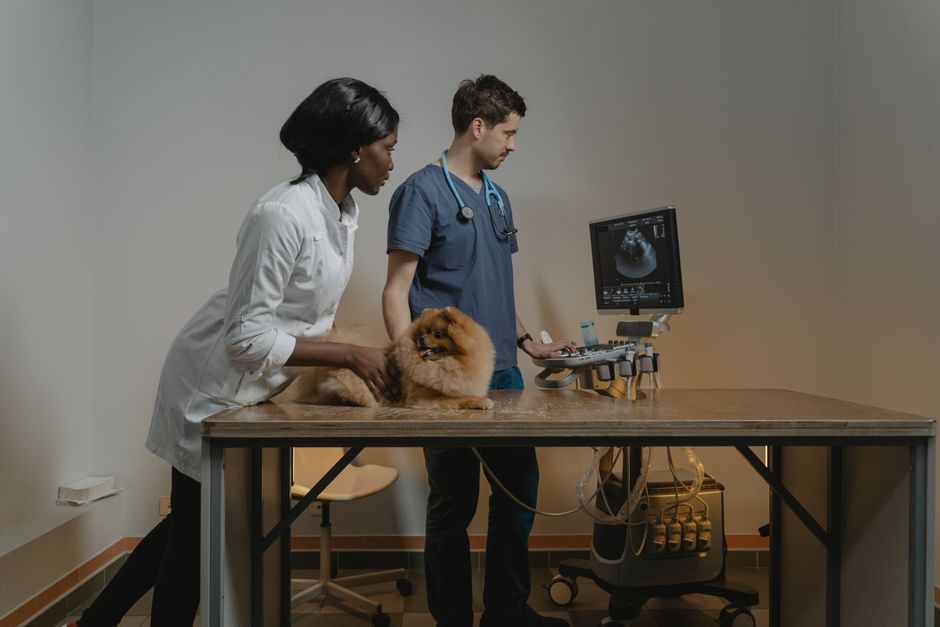
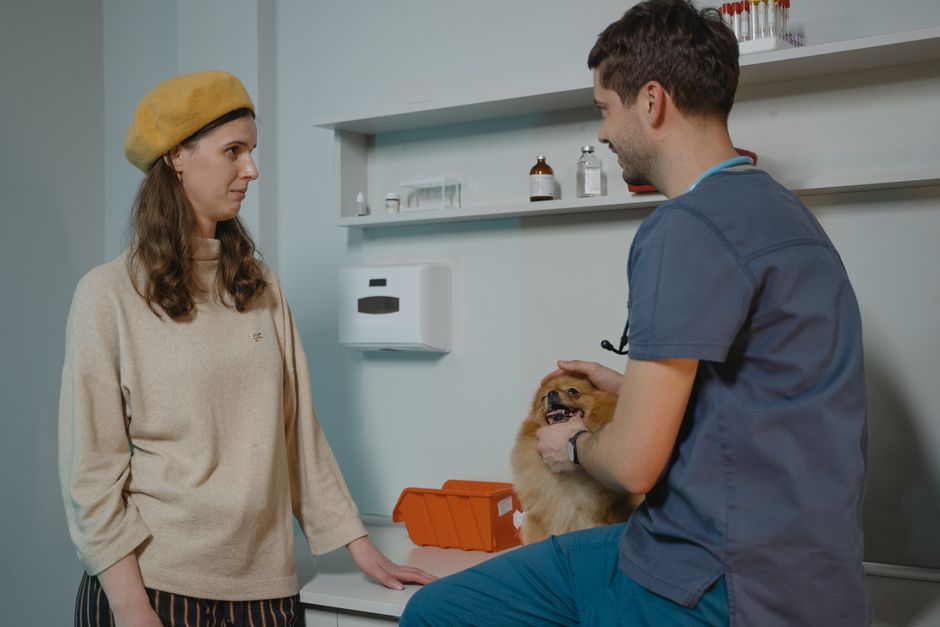
When thunderstorm anxiety becomes unmanageable at home or puts your pet’s health at risk, our team at ReadyVets is equipped to help quickly and compassionately. We offer walk-in exams and immediate emergency veterinary care with no appointment required, so your pet can receive the help they need as soon as possible. Upon arrival, our veterinarians will conduct a thorough assessment to rule out any underlying health problems that could be contributing to your pet’s distress. Using our in-house diagnostic lab, we can quickly check for complications such as dehydration, injury, or shock.
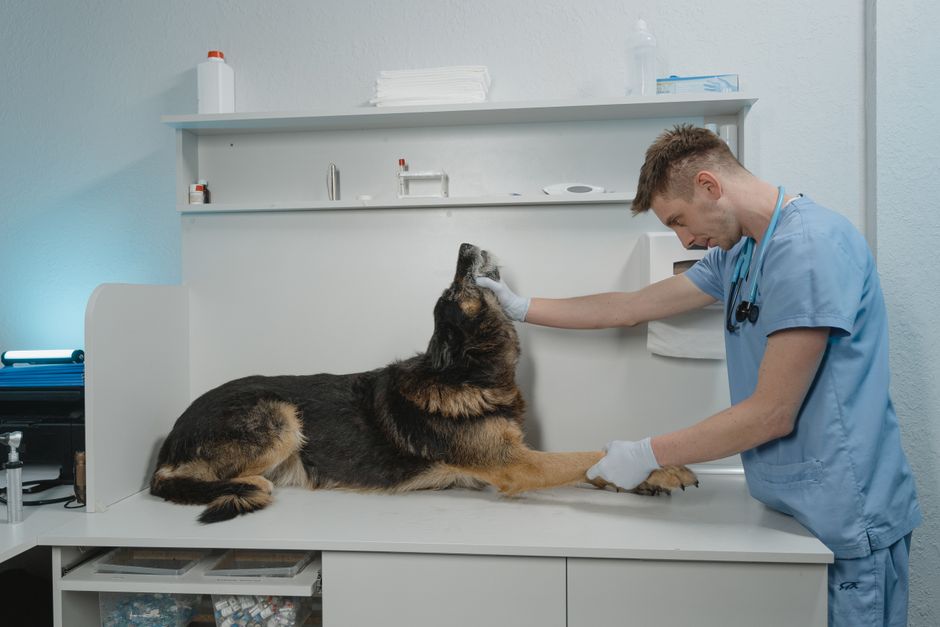
Treatment approaches for thunderstorm anxiety may include fast-acting anti-anxiety medications, sedatives, or supportive care to stabilize your pet if they are experiencing symptoms like vomiting, collapse, or injury. In some cases, a short-term prescription can help your pet remain calm during severe weather events. For pets suffering from self-inflicted wounds or other physical injuries, our team provides wound repair and pain management on-site. We may also recommend long-term behavioral modification strategies or refer you to a veterinary behaviorist for ongoing support if anxiety is a persistent issue.
Home Strategies for Soothing Thunderstorm Anxiety
While some mild anxiety can be managed at home, it is crucial to know your limits and recognize when your pet’s safety is at stake. For pets with minor storm fears, creating a safe, quiet space away from windows—such as a bathroom or interior closet—can provide comfort. Playing calming music, using white noise machines, or offering a favorite toy or blanket may help mask storm sounds. Products like thunder shirts or anxiety wraps apply gentle, constant pressure and can be soothing for many pets. Some owners find pheromone diffusers or natural supplements beneficial, but always consult your veterinarian before starting new remedies. Remaining calm yourself, offering gentle reassurance, and avoiding punishment for anxious behaviors are important steps in helping your pet cope. However, if your pet’s anxiety escalates or they show any signs of distress that do not resolve, it is safest to seek professional help.
When to Seek Immediate Veterinary Care
Thunderstorm anxiety can spiral from a manageable concern to a medical emergency in moments. If your dog or cat is injuring themselves, having trouble breathing, collapsing, or cannot be calmed, do not wait—bring them to ReadyVets right away. Other emergency signs include persistent vomiting, diarrhea, refusal to drink or eat, or signs of shock such as pale gums and weakness. In these situations, prompt treatment can prevent complications and even save your pet’s life. Our pet examinations are designed to identify urgent needs and provide rapid relief, ensuring your pet’s comfort and safety. Remember, we are open extended hours, including evenings and weekends, to serve you when your regular veterinarian’s office is closed. Walk-ins are always welcome, and our team is trained to handle anxiety-related emergencies with compassion and expertise.
Supporting Your Pet Before, During, and After the Storm
Thunderstorm anxiety can be managed with a combination of preparation, professional support, and a calm home environment. Consider monitoring the weather forecast during storm season in Taylors so you can be ready with calming techniques or medications if recommended by your veterinarian. Training your pet to associate storms with positive experiences, such as treats or playtime, can help reduce fear over time. If your pet has a history of severe anxiety, discuss a longer-term management plan with your veterinary team to ensure their safety and comfort. Our team at ReadyVets is always here to answer questions, provide advice, and support you through every stormy season. For additional information on managing behavioral emergencies, the veterinary care resources on our website may be helpful.
ReadyVets: Your Emergency Partner During Storm Season
Thunderstorm anxiety is a serious concern for many dogs and cats in Taylors and surrounding communities, especially during the unpredictable August storm season. Knowing the signs of severe anxiety and understanding when immediate intervention is necessary can make all the difference for your pet’s wellbeing. If your dog or cat is showing signs of distress during a storm, or if you are ever unsure whether their symptoms are an emergency, do not hesitate to visit ReadyVets. Walk-ins are always welcome, and our extended hours mean you never have to wait for relief. For fast, effective help from a compassionate team of veterinarians, visit us at 5314 Wade Hampton Blvd Suite A, Taylors, South Carolina 29687 or call (864) 920-2777. When searching for an emergency vet near me, trust ReadyVets to be your local source for urgent pet care—no appointment needed. Your pet’s comfort and safety are always our top priorities, no matter how stormy the weather outside may be.
Medical Disclaimer: This blog is for informational purposes only and does not replace professional veterinary advice. If your pet is experiencing signs of severe anxiety or a medical emergency, seek immediate veterinary care.