Spring Pet Emergencies: Toxins, Allergies, and When to Visit Now

Spring Pet Emergencies: Toxins, Allergies, and When to Visit Now
As the days grow longer and everything starts to bloom in Taylors, SC, spring brings a renewed sense of energy for both pets and their owners. However, the season also introduces a wave of new hazards that can quickly turn a joyful outing or a simple day in the yard into a stressful emergency. At ReadyVets, located at 5314 Wade Hampton Blvd Suite A, Taylors, SC 29687, we see a sharp uptick in urgent cases every March and April due to toxin exposures, sudden allergy flare-ups, and other seasonal dangers. Whether your pet has eaten something suspicious, is struggling to breathe, or is just not acting like themselves, our urgent care clinic is here with walk-ins welcome—no appointment needed, and we are open when your regular veterinarian might not be available. In this guide, we’ll help you recognize the most common springtime emergencies, understand their causes, and know when immediate care is needed. Our goal is to keep your pet safe, healthy, and happy all season long.
Recognizing Spring Pet Emergencies: Signs You Shouldn’t Ignore
The first step in protecting your pet this spring is being able to spot the warning signs of a true emergency. Many spring issues can start with subtle symptoms but quickly escalate, so it’s vital to know what to watch for. Key symptoms that may indicate toxin exposure include vomiting, diarrhea, excessive drooling, sudden weakness, tremors, or even seizures. If your pet suddenly develops hives, intense itching, swelling around the face or muzzle, or is having difficulty breathing, these may be signs of an acute allergic reaction. Other urgent signs to look for in spring include pale gums, collapse, inability to urinate, or sudden severe pain—these may point to internal issues that require immediate intervention.
It is not uncommon for a dog who just returned from a walk to begin panting heavily, develop swelling around the eyes, or start scratching frantically. Similarly, a cat that explores the backyard may suddenly become lethargic and vomit after nibbling on a new plant. Every year, we see pets brought in for these kinds of symptoms, and quick action often makes all the difference.
Why Spring Poses New Risks: Common Toxins and Allergy Triggers
Springtime in Taylors and surrounding communities means new growth, blooming flowers, and increased outdoor activities—but these bring new hazards for pets. Many plants that start to blossom in March and April are highly toxic to cats and dogs. Azaleas, lilies, sago palms, and certain bulbs like daffodils can be extremely dangerous if chewed or ingested. Fertilizers, weed killers, and pesticides are commonly used in gardens during the spring and can cause poisoning if your pet walks through treated areas or licks their paws afterward.
Another seasonal risk involves increased insect activity. Bee stings and spider bites can lead to sudden allergic reactions, while ticks and fleas become more prevalent, potentially spreading disease or causing severe skin irritation. Mold spores, pollen, and grass can trigger environmental allergies, especially in dogs with sensitive skin or a history of atopic dermatitis.
Additionally, families often start spring cleaning this time of year. Household cleaners, antifreeze, and rodenticides, if left within your pet’s reach, are a frequent cause of toxic exposures. Even foods associated with spring gatherings, such as chocolate or xylitol-sweetened treats, can result in life-threatening emergencies.
Emergency Treatment and What to Expect at ReadyVets
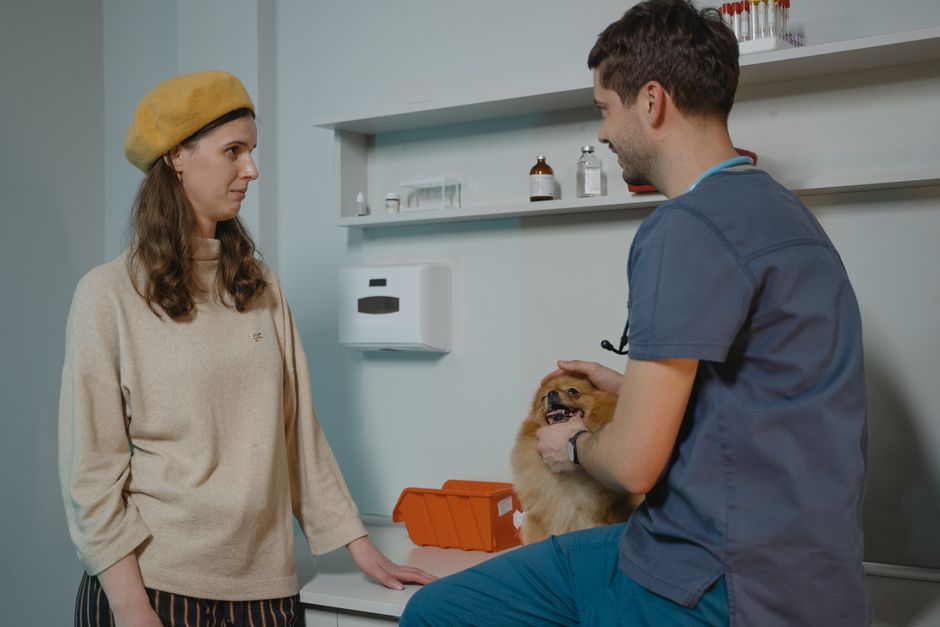
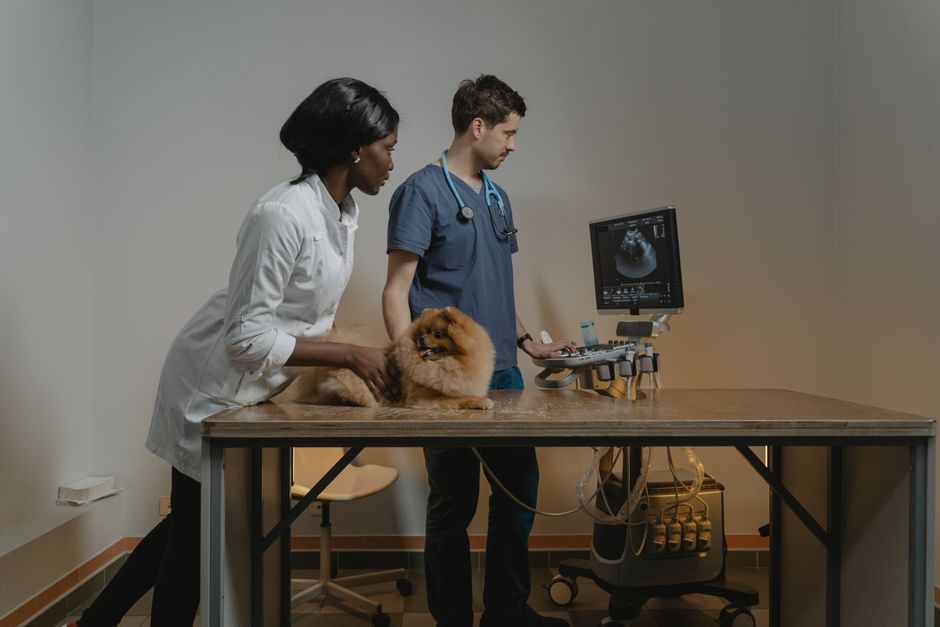
When you bring your pet to ReadyVets for a spring emergency, our team of veterinarians is prepared to act quickly. Immediate assessment starts with a thorough physical examination, followed by rapid diagnostics using our in-house laboratory, digital radiology, and, if needed, vet ultrasounds for non-invasive internal imaging. These tools allow us to identify internal bleeding, blockages, or organ damage without delay.
For toxin exposures, treatment may involve inducing vomiting (if safe and appropriate), administering activated charcoal to limit toxin absorption, providing intravenous fluids, and supporting vital organ function. Blood and plasma transfusion may be required in severe poisoning cases. If your pet is experiencing a life-threatening allergic reaction, our team will stabilize breathing with oxygen support, administer antihistamines or steroids, and monitor for shock.
Allergy flare-ups that are not immediately life-threatening are addressed through medication, topical therapies, and sometimes specialized skin care. Our dermatology services can help identify underlying triggers, especially when your pet is experiencing chronic itching or skin changes.
If your pet requires emergency surgery, such as to remove an intestinal blockage caused by ingesting a toxic plant or foreign object, our surgical suite is equipped for urgent procedures. We understand that emergencies occur at any hour; that is why our clinic welcomes walk-ins, ensuring your pet gets the care they need when every minute counts.
Protecting Your Pet at Home: Prevention and Practical Steps
While not every emergency can be prevented, there are important steps you can take this spring to reduce risk. Be vigilant about what plants are in your yard and home, and remove or fence off any that are known to be toxic to pets. Always store fertilizers, pesticides, and cleaning products in secure cabinets, and avoid allowing your pet on treated lawns until chemicals have dried completely.
When venturing outdoors, keep dogs on a leash and supervise their exploration. Check your pet for ticks after walks, especially if you’ve been in wooded or grassy areas. If your pet has a known history of allergies, discuss preventive strategies with your regular veterinarian; this may include early use of allergy medications or special shampoos.
For households with children, remind them that foods like chocolate, grapes, and sugar-free gum are dangerous to pets. Make a habit of sweeping floors and emptying trash cans regularly, as pets are adept at finding and ingesting dropped items. Even with all precautions, accidents can happen; keep the number for ReadyVets handy, and know where to find us on Wade Hampton Blvd in Taylors.
For additional questions about spring hazards or emergency preparedness, our FAQs section provides helpful information and tips for pet owners.
When to Visit ReadyVets: Acting Fast Saves Lives
The difference between a minor incident and a serious emergency often comes down to how quickly your pet receives care. You should seek immediate veterinary attention if your pet has eaten or been exposed to any substance you suspect is toxic, is having trouble breathing, is experiencing repeated vomiting or diarrhea, develops swelling of the face or tongue, or suddenly collapses. Other urgent reasons to visit include bleeding that won’t stop, signs of severe pain, inability to urinate or defecate, or any sudden behavioral change that concerns you.
Remember, some symptoms can progress rapidly, especially with toxin ingestion or allergic reactions. If you are unsure, it is always safer to err on the side of caution. At ReadyVets, walk-ins are always welcome during our extended hours, including evenings and weekends when most regular veterinary clinics are closed. Our location makes us easily accessible for urgent pet care in Taylors and nearby areas.
If you’re searching for an emergency vet near me, know that our veterinary team is prepared for the unexpected. Our facility is equipped to diagnose and treat a wide range of emergencies, and we are committed to providing compassionate, expert care whenever your pet needs us most.
Take Action This Spring: ReadyVets Is Here When You Need Us
Spring in Taylors and the surrounding communities offers so much for pets to enjoy, but it also brings new risks that require vigilance and quick response. By staying alert to the signs of springtime emergencies and acting fast, you can make a tremendous difference in your pet’s health outcomes. If your pet experiences sudden symptoms, ingests something dangerous, or just seems “off” this season, do not wait—walk-ins are welcome at ReadyVets, and no appointment is ever necessary for emergency care.
Our team of veterinarians is here to answer your questions, provide rapid diagnostics, and deliver life-saving treatment whenever the unexpected happens. For additional details about our emergency veterinary care, diagnostic lab services, or to check common questions, visit our website or stop by our clinic.
If you have urgent concerns or need immediate assistance, call (864) 920-2777—our doors are open when your regular vet isn’t, and we are dedicated to keeping your pets safe all spring long.
This article is intended for general informational purposes only and should not replace professional veterinary advice. If you believe your pet is experiencing an emergency, seek immediate care at ReadyVets or your nearest emergency veterinary clinic.