Recognizing Wintertime GI Emergencies in Pets

Recognizing Wintertime GI Emergencies in Pets
Winter in Taylors, SC brings colder temperatures, damp weather, and shorter days. While pets may still enjoy their daily routines, the change in season can sometimes trigger unexpected health issues—especially when it comes to their digestive system. If your dog or cat suddenly experiences vomiting, diarrhea, or other signs of gastrointestinal distress this February, it can be alarming. Knowing when a tummy upset is a minor inconvenience and when it signals a true emergency is crucial for your pet’s wellbeing. At ReadyVets, located at 5314 Wade Hampton Blvd Suite A, Taylors, SC 29687, our urgent-care veterinary professionals are ready to help—walk-ins welcome, no appointment needed. In this blog, you’ll learn how winter weather can affect your pet’s digestive health, which symptoms require immediate attention, and how our emergency team can quickly diagnose and treat gastrointestinal emergencies. Whether you live in Taylors or the surrounding communities, you can count on our expertise and compassion when your pet needs fast care. If you’re looking for additional information on our emergency services, you can explore our emergency veterinary care page.
Spotting the Signs of a Wintertime GI Emergency
Recognizing the warning signs of a gastrointestinal emergency in your pet is the first step in protecting their health. While occasional mild stomach upset can be common—especially with dietary changes or minor stress—there are symptoms that signal a more serious underlying problem. Key signs to watch for include repeated or severe vomiting, persistent or bloody diarrhea, painful or bloated abdomen, refusal to eat or drink, sudden lethargy or collapse, and signs of dehydration such as dry gums or skin that doesn’t spring back when pinched gently. Additional symptoms that raise concern are straining to defecate without producing stool, visible discomfort when lying down or moving, and sudden changes in behavior such as hiding or vocalizing more than usual.
During winter, it’s easy to dismiss some of these symptoms as minor, assuming a pet may just be less active due to the cold. However, gastrointestinal emergencies can escalate quickly, and waiting too long to seek care can put your pet at risk. A scenario many owners face involves a dog eating something unusual while spending less time outdoors, or a cat developing vomiting and diarrhea after a sudden change in diet or stress from being indoors more often. If you notice any of these warning signs, it’s important to act quickly and bring your pet to a walk-in urgent-care clinic like ReadyVets for prompt evaluation.
Why Winter Weather Can Trigger GI Issues in Pets
The colder months bring several unique challenges that can increase the risk of gastrointestinal emergencies for both dogs and cats. Winter weather often means pets spend more time indoors, leading to changes in routine and sometimes in diet or treats. These changes can upset the delicate balance of their digestive system, especially if they get into human food, holiday leftovers, or new treats not typically part of their diet. Additionally, holiday decorations, scented candles, and even houseplants can become tempting chew targets, leading to accidental ingestion of foreign objects or toxins.
Cold, wet conditions outside may also reduce your pet’s activity level, which can slow down digestion and increase the risk of constipation or other GI disturbances. Some pets, especially those with sensitive stomachs or underlying health conditions, may be more prone to flare-ups of chronic issues like inflammatory bowel disease during periods of stress or environmental change. In Taylors and the surrounding areas, fluctuations between chilly nights and warmer afternoons can also contribute to subtle changes in your pet’s habits or appetite.
Exposure to antifreeze is a major risk during winter; even a small amount can cause life-threatening poisoning and severe gastrointestinal symptoms. It’s not uncommon for pets to lick up spills in garages or driveways, unaware of the danger. Finally, the increased use of certain de-icing salts or chemical products can lead to accidental ingestion if pets lick their paws after outdoor walks, resulting in vomiting, drooling, or more serious complications.
What to Expect from Emergency GI Treatment at ReadyVets
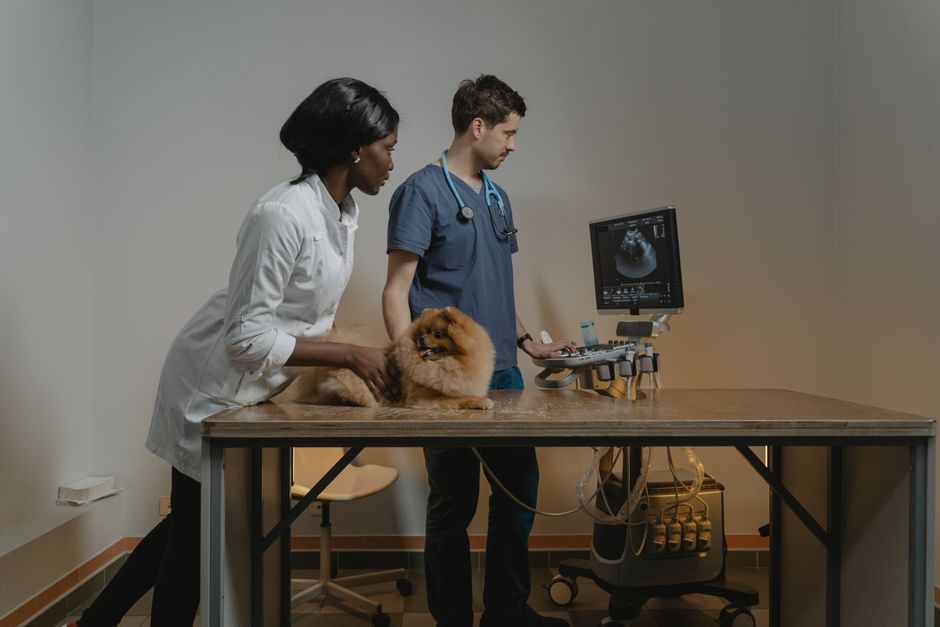
When your pet arrives at ReadyVets with signs of a gastrointestinal emergency, our veterinary team moves quickly to assess the situation. Because no appointment is needed and walk-ins are always welcome, you don’t have to wait for your regular veterinarian’s office to open. Our in-house diagnostic capabilities allow us to run bloodwork, perform digital radiology, and conduct ultrasounds right away, helping us pinpoint the cause of your pet’s distress.
Treatment options depend on the underlying issue. For dehydration from vomiting or diarrhea, intravenous fluids and electrolyte replacement are often necessary. If an infection is suspected, we may administer targeted medications or supportive therapies. In cases where ingestion of a toxic substance or foreign object is the cause, our veterinarians can perform emergency procedures to remove the item and stabilize your pet. Surgical intervention may be required for blockages, perforations, or certain severe conditions like gastric dilatation-volvulus (GDV). Throughout the process, our team prioritizes your pet’s comfort and safety while keeping you informed every step of the way.
If you want to learn more about our advanced diagnostics that support rapid and accurate treatment, you can review our pet diagnostic laboratory and in-house diagnostics page. For pets with ongoing digestive issues or complex gastrointestinal emergencies, our gastrointestinal care services offer additional details about how we can help.
How to Protect Your Pet from GI Emergencies in Winter
While not every gastrointestinal issue can be prevented, there are practical steps you can take to reduce your pet’s risk during the colder months. Start by maintaining a consistent diet and avoiding sudden changes in food or treats, especially during holiday gatherings when pets may be tempted by table scraps or unfamiliar snacks. Keep human foods, especially those that are toxic like chocolate, raisins, grapes, onions, and fatty leftovers, out of reach. Be vigilant about securing garbage cans and keeping holiday decorations, candles, and houseplants away from curious pets.
After outdoor walks, thoroughly wipe your pet’s paws to remove any de-icing chemicals or antifreeze residue, and store all automotive products securely out of reach. Encourage regular exercise, even if it means shorter play sessions indoors, to keep your pet’s digestive system functioning smoothly. Monitor your pet’s appetite, stool quality, and behavior closely, as subtle changes can be the first clue that something isn’t right.
If your pet is known to have a sensitive stomach or a chronic GI condition, speak with your veterinarian about strategies for managing flare-ups during times of stress or environmental change. You can also review our gastrointestinal care services for more information on how we support pets with ongoing digestive health needs.
When to Seek Immediate Veterinary Care
Some gastrointestinal symptoms can resolve on their own, but others signal a true emergency that requires prompt intervention. You should bring your pet to ReadyVets immediately if you observe repeated vomiting or diarrhea lasting more than 24 hours, blood in the vomit or stool, signs of severe pain or bloating, sudden collapse, or refusal to eat or drink for more than a day. Additional red flags include ingestion of known toxins such as antifreeze, de-icing salts, or foreign objects, as well as persistent lethargy, weakness, or noticeable dehydration.
Our urgent-care clinic is open during extended hours, including times when your regular veterinarian may be closed, so you never have to wait and worry. Walk-ins are always welcome at 5314 Wade Hampton Blvd Suite A, Taylors, SC 29687. Our experienced veterinary professionals are here to provide fast, thorough care for gastrointestinal emergencies and other urgent health concerns. If you’re searching for an “emergency vet near me,” trust that our team is standing by to help your pet feel better as quickly as possible.
Protecting Your Pet All Winter Long: ReadyVets Is Here for You
Winter weather in Taylors brings more than just chilly days; it can also increase the risk of gastrointestinal emergencies in pets. By recognizing the signs of serious digestive distress, understanding the unique risks of the season, and acting quickly when problems arise, you can help keep your furry companion healthy and happy. Remember, not all tummy upsets are minor—if your pet shows any concerning symptoms, don’t wait. At ReadyVets, walk-ins are always welcome and no appointment is needed, so you can get immediate help when your pet needs it most.
Whether you’re concerned about sudden vomiting, diarrhea, or any urgent health issue, our veterinary team is ready to serve families throughout Taylors and the surrounding communities. For more details on our approach to emergency and urgent care, visit our emergency veterinary care page or contact us at (864) 920-2777. You can also learn about our veterinary care services to see how we support your pet’s health year-round. When searching for an emergency vet near me, choose ReadyVets for expert care, compassion, and peace of mind—especially when winter surprises you and your pet.
This article is intended for informational purposes only and should not replace professional veterinary advice. If you have concerns about your pet’s health, please seek immediate care from a qualified veterinarian.