Recognizing Springtime Pet Emergencies in Taylors, SC

Recognizing Springtime Pet Emergencies in Taylors, SC
Springtime brings a wave of fresh air, blooming flowers, and renewed outdoor adventures for pets and their families in Taylors, SC. Yet with the joys of the season come new risks that can threaten your pet’s health—ranging from sudden allergic reactions to unexpected encounters with toxins, parasites, or wildlife. As pet owners begin to notice their pets scratching more, sneezing, or even acting out of character, questions about what constitutes a true emergency often arise. At ReadyVets, our team of emergency veterinarians understands how confusing it can be to decide when your pet needs urgent care, especially during spring when so many seasonal hazards emerge. That is why we offer walk-in exams, immediate emergency services, and full in-house diagnostics right here at 5314 Wade Hampton Blvd Suite A, Taylors, SC 29687. With extended hours every day—including evenings and weekends—we are here when your regular vet is not available. In this guide, you will learn how to recognize common springtime pet emergencies, understand why they happen, and know exactly what to do when seconds count.
Identifying Springtime Pet Emergencies: Key Warning Signs
Recognizing when a spring health issue turns into an emergency is crucial for your pet’s safety. Common warning signs that your pet may be facing a serious problem include sudden lethargy, persistent vomiting or diarrhea, difficulty breathing, swelling of the face or limbs, and collapse. In some cases, repeated scratching, severe hives, or dramatic changes in behavior can also signal an urgent problem. You may notice your dog or cat pawing at their mouth after playing in the yard, drooling excessively, or showing signs of pain after an insect sting or plant ingestion. Other red flags that need immediate veterinary attention include uncontrolled bleeding, seizures, pale or blue gums, and signs of heatstroke such as heavy panting or unsteady walking.
Pets in Taylors and surrounding communities often face specific spring risks, such as reactions to pollen, sudden allergic responses to bee or wasp stings, or exposure to lawn chemicals. For instance, an energetic pup might suddenly limp after a romp in the garden, or a curious cat could develop facial swelling after brushing against certain plants. If your pet experiences any of these symptoms, it is important to seek emergency care right away, as some conditions can escalate rapidly.
Why Spring Brings More Pet Emergencies in Taylors, SC
Spring’s mild weather encourages more time outdoors, but this seasonal change also ushers in a host of new hazards for pets. Allergens like pollen and mold spores become more prevalent, affecting pets with sensitivities and occasionally triggering severe allergic reactions. Parasites such as fleas, ticks, and mosquitoes become active again, increasing the risk of illnesses like heartworm, Lyme disease, and allergic dermatitis.
Taylors’ lush landscapes and suburban yards can also harbor toxic plants—including lilies, azaleas, and sago palms—that are especially dangerous if ingested. Lawn treatments, fertilizers, and pesticides are commonly used during this time, and pets can accidentally ingest these chemicals while exploring outside. Additionally, wildlife encounters become more frequent, with snakes, bees, and wasps presenting real threats. A snake bite or bee sting can cause rapid swelling, difficulty breathing, or even anaphylaxis in sensitive pets.
Spring is also a time when household cleaning increases, meaning pets might come into contact with cleaning agents or other toxins left within their reach. The combination of more outdoor access, increased parasite activity, and the use of chemicals dramatically raises the likelihood of emergencies during this season.
How ReadyVets Treats Springtime Pet Emergencies
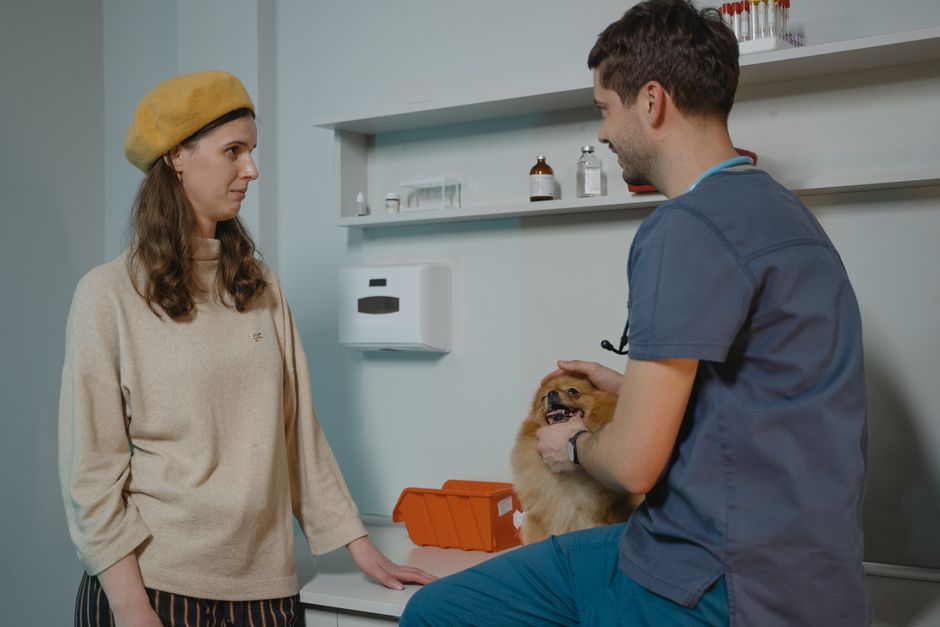
When your pet arrives at ReadyVets with a spring-related emergency, our veterinary professionals act quickly to diagnose and treat the problem using state-of-the-art, in-house technology. Our services are designed to address the most common—and the most serious—urgent conditions that arise during this time of year.
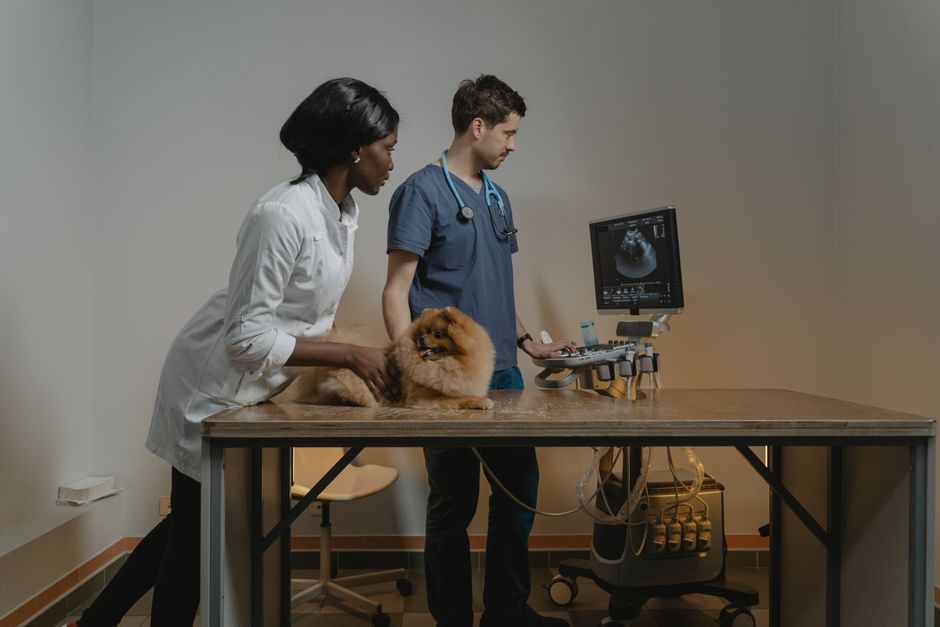
Upon arrival, your pet will receive a prompt pet examination. Key diagnostic tools available right here in our clinic include digital radiology, advanced pet diagnostic lab testing, and vet ultrasounds for rapid assessment. For acute allergic reactions, treatment often starts with fast-acting medications to reduce swelling, control itching, and address breathing difficulties. In cases of toxin ingestion or chemical exposure, we may use decontamination procedures, intravenous fluids, and supportive care to reduce absorption and support organ function.
If your pet is suffering from severe gastrointestinal distress related to a toxic plant or parasite, our team provides urgent gastrointestinal care, which may involve fluids, anti-nausea medications, or even emergency surgery if a blockage or severe damage has occurred. For trauma, such as wounds from wildlife encounters or injuries sustained outdoors, we offer wound repair, pain management, and surgical intervention when necessary. The goal is always to stabilize your pet and begin treatment as soon as possible, ensuring the best possible outcome.
Preventing Spring Pet Emergencies: What Pet Owners Can Do
While not all emergencies are avoidable, there are proactive steps you can take to reduce your pet’s risk during the spring months. Keep your yard free from potentially toxic plants and store lawn chemicals out of reach. After applying fertilizers or pesticides, restrict your pet’s access to treated areas until it is safe. Regularly check your pets for ticks and fleas after outdoor activities, and keep up with recommended parasite prevention prescribed by your veterinary team.
Monitor your pet’s behavior when outside, especially if they are exploring new environments. Be vigilant for any signs of bee or wasp nests, and try to discourage your pet from chasing insects. Ensure your pet has access to fresh, clean water and a shaded area to prevent overheating as temperatures rise. Promptly clean up any spills of household cleaners, and keep all medications and chemicals securely stored.
Educating yourself about common toxic plants and seasonal hazards in Taylors and nearby neighborhoods can help you identify dangers before your pet is exposed. If your pet has a known allergy or chronic health condition, talk to your veterinary professionals about additional precautions you can take during high-risk months.
When to Seek Emergency Veterinary Care for Your Pet
Time is critical when dealing with springtime pet emergencies. If your pet displays symptoms such as severe swelling, difficulty breathing, repeated vomiting or diarrhea, collapse, or uncontrolled bleeding, you should seek emergency care without delay. Instances of toxin ingestion, snake bites, insect stings with rapid swelling, or any sudden neurological changes also require immediate veterinary attention.
ReadyVets is here for you whenever your regular veterinarian is closed or unavailable. Our extended hours make it possible to get urgent help during evenings, weekends, and holidays. Walk-ins are always welcome—no appointment is ever needed. As soon as you notice an emergency sign in your pet, bring them to our Taylors location, where our team of emergency veterinarians and veterinary professionals will provide the prompt, compassionate care your pet deserves.
If you are ever unsure whether your pet’s symptoms are an emergency, it is always safer to err on the side of caution. Call us at (864) 920-2777 or visit our clinic for immediate evaluation and peace of mind.
Spring Emergencies: Preparation, Prevention, and Immediate Response
Spring in Taylors, SC can be a wonderful time for pets and their families, but it also demands extra vigilance. By learning to recognize the warning signs of springtime pet emergencies and understanding the risks unique to this season, you can act quickly should a crisis arise. Remember, our team at ReadyVets is always available to provide rapid diagnosis and treatment—no appointment is necessary, and walk-ins are welcomed every day, including evenings and weekends.
Whether you are facing an allergic reaction, a possible poisoning, or a sudden injury, our veterinary professionals are ready to support you and your pet with advanced diagnostics and emergency care. When searching for an emergency vet near me, you can count on ReadyVets to be your trusted partner in urgent pet health. If your pet is in distress or you are concerned about a potential emergency, do not hesitate to visit our 5314 Wade Hampton Blvd Suite A, Taylors, SC 29687 clinic or call (864) 920-2777 right away. For more information about our services, explore our emergency veterinary care options or learn about our pet diagnostic lab and gastrointestinal care resources online. Your pet’s safety and wellbeing are our top priorities, every season of the year.
This article is intended for informational purposes only and should not be used as a substitute for professional veterinary advice, diagnosis, or treatment. Always contact your veterinarian or an emergency veterinary clinic if you have concerns about your pet’s health.