Recognizing Gastrointestinal Emergencies in Dogs and Cats
Recognizing Gastrointestinal Emergencies in Dogs and Cats
When your dog or cat suddenly starts vomiting, has diarrhea, or shows signs of abdominal pain, it is natural to worry. These symptoms can be distressing for both pets and their owners, and they often signal underlying issues that may require urgent attention. In the hot and humid July weather of Taylors, SC, gastrointestinal emergencies can become even more serious due to the risk of dehydration and rapid progression of illness. At ReadyVets, we understand how overwhelming it can feel when your pet is sick, especially when your regular veterinarian is unavailable or closed for the day. That is why our urgent-care veterinary clinic at 5314 Wade Hampton Blvd Suite A, Taylors, South Carolina 29687 offers walk-in exams, emergency services, and in-house diagnostics with extended hours—no appointment needed. This blog will help you recognize the warning signs of gastrointestinal emergencies in dogs and cats, understand what causes these conditions, and know when to seek immediate veterinary care. We will also explain how our veterinary professionals can rapidly diagnose and treat your pet, giving you peace of mind when minutes matter.
Warning Signs of Gastrointestinal Emergencies in Pets
Gastrointestinal emergencies can appear suddenly and escalate quickly, especially in the summer heat when pets are more prone to dehydration. Recognizing the signs early is crucial. Vomiting and diarrhea are among the most common symptoms, but it is important to pay attention to other changes as well. Your pet may refuse food, appear lethargic, or seem unusually restless. Some dogs and cats display obvious discomfort by stretching repeatedly, whining, or hunching their bodies. Signs of abdominal pain, such as crying out when touched or adopting a "praying position" with their rear end raised and front legs stretched out, are particularly concerning.
Other symptoms to watch for include blood in the vomit or stool, sudden bloating of the abdomen, unproductive attempts to vomit, or collapse. In cats, you might notice drooling, frequent trips to the litter box without producing stool, or hiding more than usual. For small dogs, especially breeds prone to pancreatitis or gastrointestinal obstruction, even a few hours of vomiting or lack of appetite can be dangerous. If your pet is experiencing several of these signs, especially alongside weakness or pale gums, it is a strong indication that immediate veterinary attention is needed.
Common Causes of GI Emergencies in Dogs and Cats
Understanding what leads to gastrointestinal emergencies can help you take quick action. In dogs, one of the most dangerous conditions is gastric dilatation-volvulus (GDV), commonly called "bloat." This life-threatening issue causes the stomach to twist and fill rapidly with gas, cutting off blood supply. GDV often affects large, deep-chested breeds but can occur in any dog. Ingesting foreign objects, such as toys, bones, or household items, is another cause of sudden GI distress. Intestinal blockages can result, leading to continuous vomiting, abdominal pain, and sometimes an inability to pass stool.
Cats are notorious for swallowing string, hair ties, or other small objects that create linear obstructions in their intestines. Hairballs can also become problematic, especially if your cat is unable to pass them. Pancreatitis is a frequent culprit in both dogs and cats, often triggered by fatty foods or certain underlying health conditions. Infectious diseases, such as parvovirus in puppies or feline panleukopenia in kittens, lead to severe vomiting and diarrhea. Dietary indiscretion—when your pet eats spoiled food, garbage, or toxic plants—can also cause acute gastrointestinal distress.
The hot weather in Taylors and surrounding communities can accelerate the effects of vomiting and diarrhea, making dehydration occur much faster than during cooler months. This is particularly dangerous for puppies, kittens, and senior pets, whose bodies are less resilient to fluid loss.
How ReadyVets Diagnoses and Treats GI Emergencies
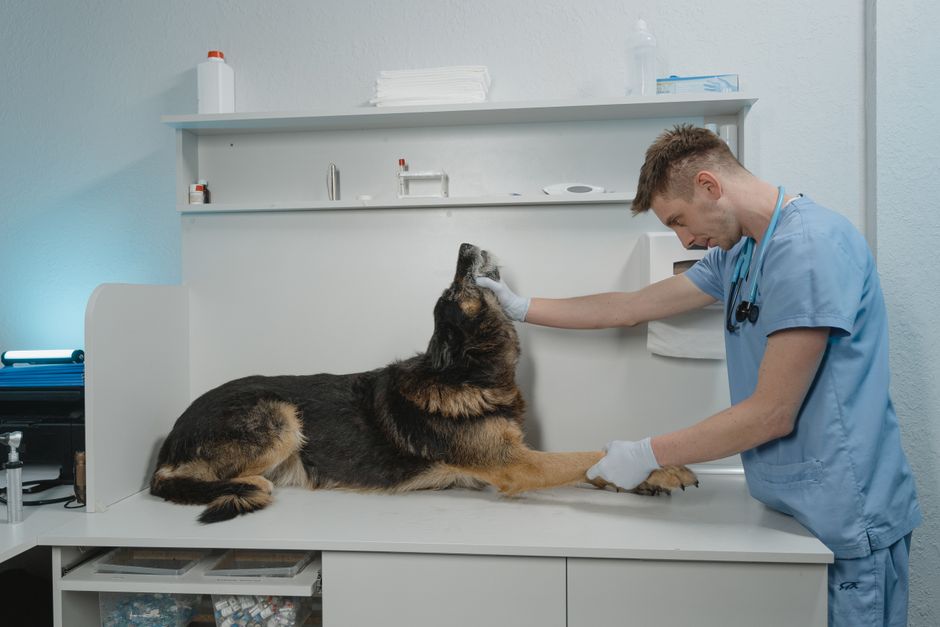
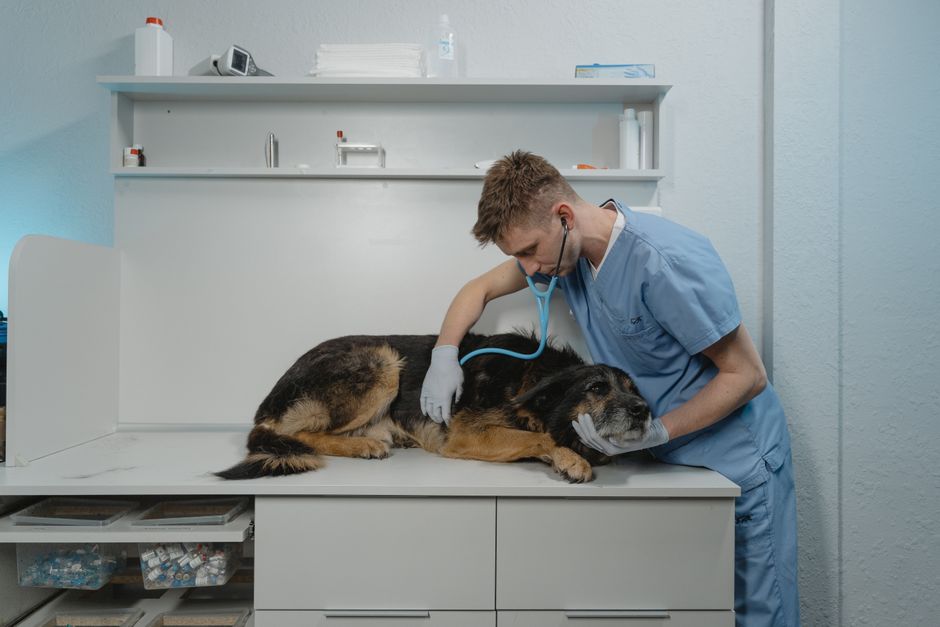
When your pet arrives at ReadyVets for a gastrointestinal emergency, our veterinary team immediately assesses their condition. With walk-ins welcome and no appointment needed, you can bring your pet in as soon as you notice worrisome symptoms. The first step is a thorough physical exam and gathering a medical history to understand what led up to the illness. Our clinic is equipped with full in-house diagnostics, allowing us to quickly run bloodwork, check for infections, and evaluate organ function. Using our diagnostic laboratory, we can often have results within minutes, helping us determine the severity of your pet’s condition right away.
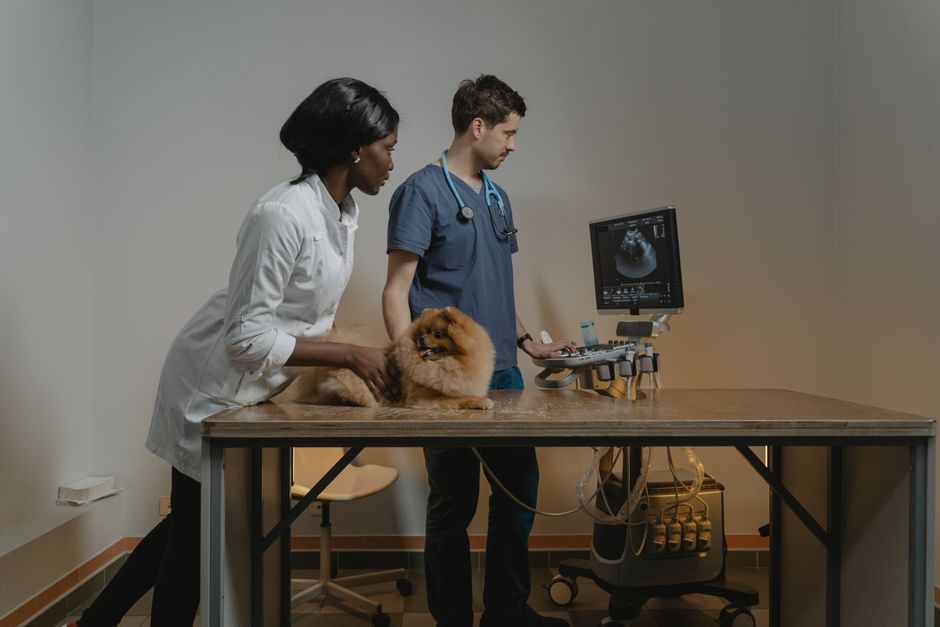
Imaging is an essential part of diagnosing gastrointestinal emergencies. The ReadyVets team utilizes digital radiology and ultrasounds to visualize your pet’s abdomen, identify blockages, and assess the health of internal organs. If your dog or cat has ingested a foreign object or is suffering from GDV, prompt imaging helps us decide on next steps without delay.
Treatment approaches depend on the underlying cause. Many pets require intravenous fluids to correct dehydration and stabilize their condition. Medications to control vomiting, protect the stomach lining, and manage pain are administered as needed. For pets with severe blockages, internal bleeding, or conditions like GDV, emergency surgery may be performed on-site by our experienced veterinary professionals. Our emergency surgery services are available for critical situations where immediate intervention is the only way to save your pet’s life. We also offer blood and plasma transfusions if your pet’s condition warrants it.
Throughout your visit, our veterinary team keeps you informed and supported, explaining each step and ensuring that your pet receives the highest level of urgent care. Our focus is always on rapid diagnosis, effective treatment, and compassionate support for both pets and their families.
Home Care and Prevention for GI Health
While not all gastrointestinal emergencies can be prevented, there are practical steps you can take at home to reduce the risk. For dogs, avoid feeding table scraps or fatty foods, and keep garbage securely stored where they cannot access it. Monitor your dog during walks and playtime to ensure they do not pick up foreign objects or eat things found outside. For cats, keep string, hair ties, and small household items out of reach, and provide regular grooming to minimize hairball formation.
Both dogs and cats benefit from a consistent, high-quality diet and plenty of fresh water, especially during the summer months in Taylors, SC. Ensuring your pet stays hydrated is crucial when temperatures soar; always provide clean water and shade when outdoors. If your pet is prone to dietary indiscretion or has a history of GI issues, discuss with your regular veterinarian about preventive strategies or special diets.
At the first sign of mild gastrointestinal upset—such as a single episode of vomiting or soft stool—observe your pet closely. Withhold food for a few hours (but never water), and reintroduce bland food slowly if symptoms resolve. However, if vomiting or diarrhea persists, or if your pet seems lethargic, in pain, or unable to keep water down, it is time to seek immediate veterinary care. Delaying treatment can make recovery longer and more complicated.
When to Seek Immediate Veterinary Care
Knowing when to bring your pet to ReadyVets is essential for their safety and well-being. If your dog or cat is repeatedly vomiting, has severe or bloody diarrhea, cannot keep down water, or shows signs of abdominal pain and swelling, do not wait. Other urgent warning signs include collapse, unproductive retching, pale gums, or sudden behavioral changes like hiding or vocalizing in pain. Puppies, kittens, senior pets, and those with chronic illnesses are especially vulnerable and should be seen right away if they develop any gastrointestinal symptoms.
Our urgent-care veterinary clinic is open with extended hours, including evenings and weekends, so you never have to wait for an appointment when emergencies strike. Walk-ins are always welcome at ReadyVets, ensuring your pet receives timely and expert care whenever you need us. If you are ever unsure whether your pet’s symptoms are severe, it is always better to err on the side of caution and seek professional help. You can learn more about our emergency veterinary care and gastrointestinal care services for dogs and cats on our website.
Your Local Partner for Urgent Pet Care in Taylors, SC
Gastrointestinal emergencies can be frightening, but you are not alone. Recognizing the warning signs and acting quickly can make all the difference for your pet’s health and comfort. At ReadyVets in Taylors, SC, our veterinary team is here for you during those critical moments—no appointment needed and walk-ins welcome every day. Whether your pet is showing sudden GI symptoms or you are facing an after-hours crisis, you can count on our compassionate care, advanced diagnostics, and immediate treatment options.
If you are searching for an emergency vet near me, look no further than ReadyVets. Our team of veterinarians is committed to restoring your pet’s health and supporting you every step of the way. For questions about your pet’s symptoms or to bring your dog or cat in for urgent care, visit us at 5314 Wade Hampton Blvd Suite A, Taylors, South Carolina 29687 or call (864) 920-2777. Your pet’s well-being is our top priority, and we are here to help—day, evening, or weekend—whenever you need us most.
If you believe your pet is experiencing a life-threatening emergency, do not wait. Seek immediate veterinary attention to ensure the best possible outcome. For more information about gastrointestinal emergencies, you can also visit external veterinary resources or our website for additional guidance.