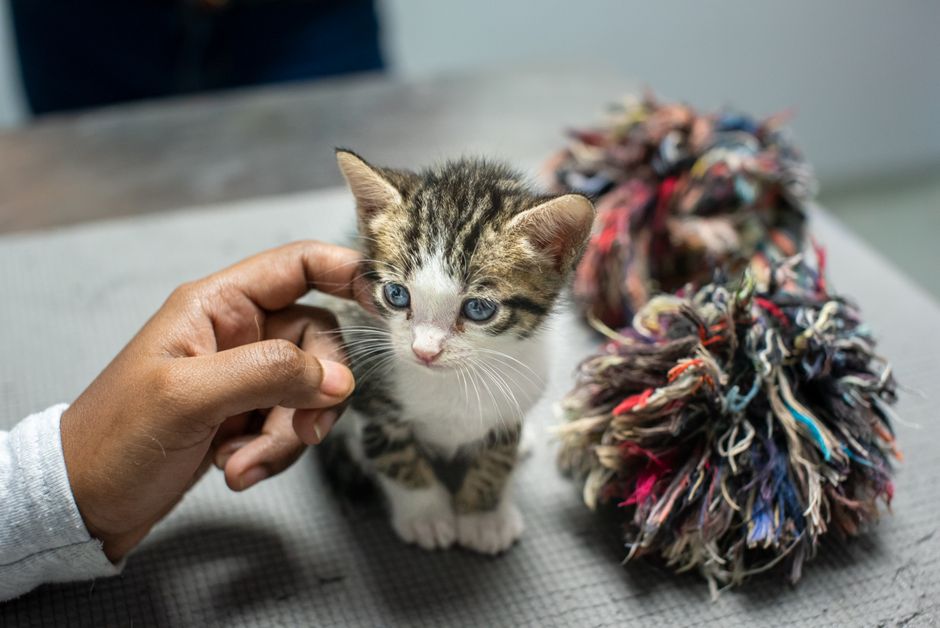
Recognizing Firework Anxiety and Emergencies in Dogs and Cats
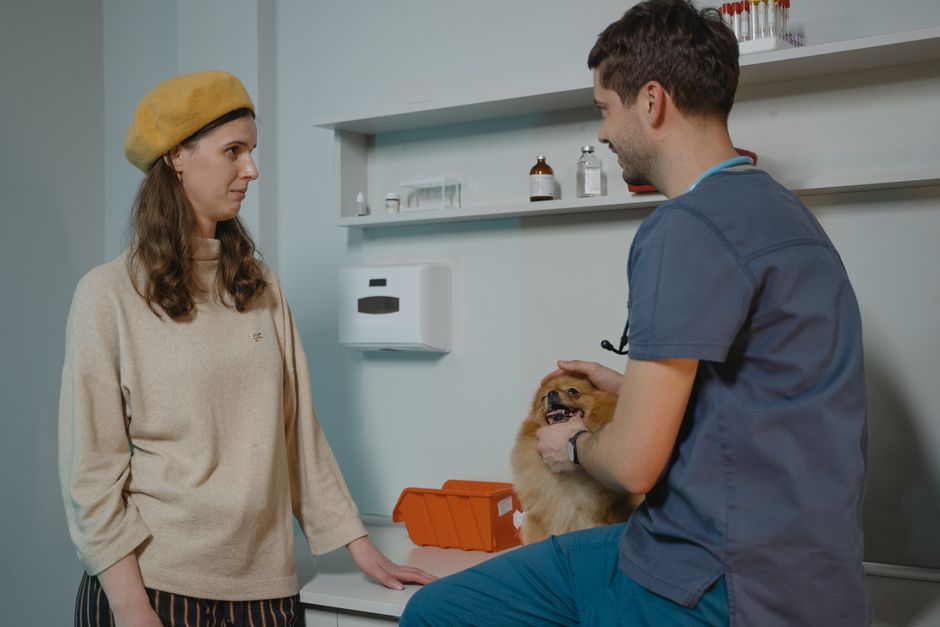
Recognizing Firework Anxiety and Emergencies in Dogs and Cats
Fireworks are a staple of July celebrations in Taylors, SC, bringing joy to many families. However, for countless dogs and cats, the loud booms and bright flashes can trigger intense anxiety and even dangerous escape attempts. If you are worried about your pet’s safety during the festive season, you are not alone. Many pet owners find themselves facing sudden behavioral changes or emergencies in their furry companions as fireworks light up the summer sky.
At ReadyVets Veterinary Urgent Care, located at 5314 Wade Hampton Blvd Suite A, Taylors, SC 29687, we understand how stressful these situations can be for both you and your pet. Our clinic welcomes walk-ins during extended hours, providing immediate access to emergency and urgent veterinary care whenever your regular vet may be closed. In this blog, you will learn how to spot firework-related anxiety and emergencies in dogs and cats, why these reactions occur, and what steps you should take to protect your pet. We will also explain how our emergency veterinary care and full in-house diagnostics can help when your pet needs fast, expert attention.
How to Recognize Firework Anxiety and Emergencies in Dogs and Cats
Understanding the signs that your pet is struggling with firework anxiety is the first step in preventing a minor issue from becoming a true emergency. Dogs and cats may react to fireworks in different ways, but there are shared warning signs that indicate distress.
Common symptoms of firework anxiety include trembling, panting, pacing, hiding under furniture, vocalizing more than usual, or seeking constant reassurance. Some pets may drool excessively, lose their appetite, or have accidents in the house, even if they are normally well-trained. Other behaviors to watch for are destructive actions, such as chewing on doors or scratching at windows, as your pet desperately tries to escape the perceived threat.
In some cases, anxiety can escalate to an emergency. For example, a dog that bolts through a door or fence in a panic may become lost or injured. Cats may squeeze through small openings or get stuck while trying to flee. Injuries from broken glass, torn claws, or even being hit by a car are unfortunately not uncommon during firework-heavy holidays. If your pet is limping, bleeding, breathing rapidly, or appears disoriented after fireworks, these are signs that immediate veterinary attention is needed.
Why Fireworks Cause Anxiety in Pets
Many pet owners wonder why their dog or cat reacts so strongly to fireworks. The answer lies in the unique way animals process sensory information. Dogs and cats have much more sensitive hearing than humans, so the loud explosions of fireworks can be overwhelmingly intense. The unpredictable flashes of light and strong smells from pyrotechnics add to the confusion, making it difficult for pets to feel safe.
For some pets, a single frightening experience with fireworks in the past can lead to a lasting fear response. This is especially true for pets that are naturally anxious or have not been exposed to loud noises until adulthood. Genetics may also play a role, as certain breeds and personalities are more prone to developing noise phobias. In cats, a strong startle reflex and a natural instinct to hide from danger often drive their response to sudden loud noises.
Repeated exposure to fireworks during holidays like the Fourth of July can reinforce these fears each year. Without intervention, anxiety can worsen over time, making each celebration more distressing for your pet.
Emergency Treatment and Management for Firework-Related Issues
If your pet is experiencing an emergency related to fireworks, such as an escape, injury, or severe anxiety episode, immediate care is essential. At ReadyVets Veterinary Urgent Care, we offer walk-in emergency services and full in-house diagnostics to quickly assess and treat your pet’s needs.
Treatment for firework-related emergencies depends on the specific situation. For physical injuries—such as cuts, lacerations, or broken bones—our veterinary team will perform a thorough examination, clean and dress wounds, and may use diagnostic imaging like digital radiology or ultrasound to check for internal injuries. Pain management, antibiotics, and wound repair procedures can be initiated right away in our clinic.
In cases of severe anxiety or panic attacks, our veterinarians may administer calming medications to help your pet relax. Sometimes, supportive care such as intravenous fluids or oxygen therapy is necessary, especially if your pet is hyperventilating or has underlying medical conditions that are being aggravated by stress. Monitoring your pet closely in a safe, quiet environment is part of our approach to stabilizing anxious animals during their visit.
When you arrive at our clinic, our team will gather a detailed history, including when the symptoms started and what triggered them. This helps us tailor our urgent care approach and ensure your pet receives the most effective treatment for their unique situation.
Safety Steps and Home Care During Fireworks Season
While professional care is vital for emergencies, there are also steps you can take at home to minimize your pet’s risk during fireworks. Preparation and environmental management can make a significant difference in your pet’s comfort and safety.
Before fireworks begin, set up a quiet, secure area in your home where your pet feels safe. This might include a favorite room with few windows, a comfortable bed, and familiar toys. Playing calming music or white noise can help mask the sound of fireworks. Make sure all doors, windows, and pet doors are securely closed to prevent escapes.
For dogs, consider taking them for a long walk earlier in the day to help reduce energy levels. Feed your pets before festivities start, as some may not want to eat once the noise begins. For cats, provide extra hiding spots and ensure litter boxes are easily accessible.
Products such as anxiety wraps, pheromone diffusers, or calming treats may offer some relief for mild cases. However, if your pet has a history of severe anxiety, it is wise to consult your veterinarian in advance. Never force your pet to face their fears, and avoid scolding anxious behaviors, as this can worsen their stress.
If your pet does escape during fireworks, act quickly. Search nearby areas, contact local shelters, and use social media to alert your community. Microchipping and up-to-date ID tags are invaluable in reuniting lost pets with their families.
When to Seek Urgent Veterinary Care During Fireworks
Knowing when to bring your pet to an urgent care clinic is crucial in protecting their health. Immediate veterinary attention is needed if your pet is injured—such as cuts that will not stop bleeding, limping, or any suspected broken bones. Other red flags include persistent vomiting, diarrhea, difficulty breathing, or signs of shock such as pale gums, weakness, or collapse.
If your pet is experiencing extreme anxiety that does not improve once fireworks have stopped, or if they are showing signs of confusion, unresponsiveness, or seizures, prompt evaluation is vital. Even if you are unsure whether your pet’s condition is an emergency, it is always better to err on the side of caution. Our team at ReadyVets Veterinary Urgent Care is equipped to handle walk-in emergencies and can provide a rapid assessment to determine the best course of action.
We encourage you to take advantage of our extended hours during holidays and evenings when other clinics may be closed. Walk-ins are always welcome, and no appointment is needed for urgent care. You can learn more about our emergency veterinary services and how we help pets in Taylors and surrounding communities stay safe during stressful times.
Taking Action: Keeping Your Pet Safe in Taylors, SC
Fireworks season can be a challenging time for pet owners, but awareness and preparation can go a long way in keeping your dog or cat safe. Recognizing the signs of firework anxiety, understanding the risks of escape and injury, and knowing when to seek urgent veterinary care are all important steps for responsible pet care.
If you notice signs of distress or an emergency in your pet during fireworks in Taylors or nearby areas, do not wait. The veterinary professionals at ReadyVets are here to help whenever your pet needs immediate attention. Remember, walk-ins are welcome and no appointment is needed. Our clinic at 5314 Wade Hampton Blvd Suite A, Taylors, SC 29687 is open late to handle emergencies that happen outside regular veterinary hours.
If you are searching for an "emergency vet near me" during July’s festivities, trust ReadyVets Veterinary Urgent Care for compassionate, expert care. For more information about our emergency services, in-house diagnostic laboratory, or to check our current hours, visit our website or call us at (864) 920-2777. Your pet’s safety and comfort are our top priorities, every day of the year.