Recognizing and Responding to Pet Breathing Emergencies Fast

Recognizing and Responding to Pet Breathing Emergencies Fast
When your dog or cat suddenly struggles to breathe, every moment feels critical. Pet breathing emergencies can appear with little warning, leaving owners in Taylors and surrounding communities feeling helpless and anxious. Whether your pet is gasping, coughing, or showing signs of distress, knowing how to recognize the warning signs and respond quickly can make all the difference. At ReadyVets, located at 5314 Wade Hampton Blvd Suite A, Taylors, South Carolina 29687, we understand how frightening these emergencies can be, especially during the damp, chilly months of February when respiratory issues are more common. That is why our urgent-care veterinary team is here for you; walk-ins are always welcome, and no appointment is needed for emergencies. In this blog, we will guide you through the signs of respiratory distress in pets, explore potential causes, explain what immediate steps you should take, and show how our emergency services can help your pet breathe easier—day or night.
Spotting the Signs: How to Recognize Pet Breathing Emergencies
Breathing problems can escalate rapidly in pets, so early recognition is key. Respiratory distress in dogs and cats often presents with clear but sometimes subtle symptoms. Key signs to watch for include rapid or labored breathing, open-mouth breathing (especially in cats), persistent coughing, wheezing, and unusual noises when breathing. Additionally, you may notice flaring nostrils, a blue or pale color to the gums or tongue, or visible effort with each breath, such as the chest or belly heaving. In severe cases, your pet may collapse or seem too weak to stand. Other warning signs are restlessness, anxiety, or an inability to settle comfortably, as well as exaggerated abdominal movements. Some pets will stretch out their necks or stand with their elbows pointed outward to try to get more air. If your pet is drooling excessively, making gagging sounds, or appears panicked, these are all red flags for a potential breathing emergency. Recognizing these symptoms quickly allows you to act before the situation becomes life-threatening.
Understanding the Causes: Why Do Pets Experience Breathing Distress?
Respiratory emergencies in pets can stem from a variety of causes; understanding the underlying reason helps guide urgent care. Common causes include allergic reactions, infections like pneumonia or kennel cough, heart conditions, asthma or bronchitis, and airway obstructions such as a lodged toy or bone. In the winter and early spring, damp and chilly weather can aggravate respiratory issues, especially in pets with pre-existing conditions or those exposed to environmental irritants like smoke or mold. Cats are particularly prone to asthma during periods of high humidity or sudden temperature changes, while dogs may develop laryngeal paralysis or tracheal collapse. Trauma, such as being hit by a car or bitten by another animal, can also result in lung injuries or internal bleeding, both of which compromise breathing. Other potential culprits include toxic inhalants, insect stings, or reactions to certain medications. In some cases, rapid onset swelling from an allergic event can close off the airway entirely. Because so many factors can lead to respiratory distress, timely evaluation with diagnostic tools such as digital radiology or in-house laboratory testing is essential to pinpoint the cause and start life-saving treatment.
The Role of Certain Breeds and Pre-Existing Conditions
Some breeds are at higher risk for breathing emergencies, including flat-faced (brachycephalic) dogs like Bulldogs and Pugs and cats like Persians, which are more prone to airway obstruction and collapse. Pets with chronic heart disease, lung disease, or a history of respiratory infections are also more vulnerable, particularly during seasonal weather changes. Recognizing your pet’s risk factors can help you act swiftly if breathing problems arise.
Immediate Actions: What to Do Before You Reach the Vet
When you notice your pet struggling to breathe, your first priority is to keep calm and minimize your pet’s stress. Gently remove your pet from any source of smoke, dust, or chemical fumes. Allow them to sit in a comfortable position, preferably upright, and avoid forcing them to lie down. If your pet is panicking or resisting, speak softly and try to keep the environment quiet. Avoid placing anything in your pet’s mouth or attempting to give water or food, as this could worsen the situation, especially if the airway is partially blocked. If you suspect something is stuck in your pet’s throat and you feel confident, you can carefully look inside the mouth, but never risk injury to yourself or your pet. For visible obstructions, very gentle removal may help, but do not attempt to dislodge objects with force.
If your pet collapses or stops breathing, you may need to perform rescue breathing or CPR. These life-saving measures are best done with prior training, so consider learning pet first aid through reputable organizations such as the American Red Cross or your local veterinary hospital. Above all, transport your pet to the nearest emergency clinic immediately. ReadyVets in Taylors is equipped to provide urgent care without the need for an appointment, so you can bring your pet directly to us for immediate attention.
Professional Emergency Care: How ReadyVets Treats Breathing Problems in Pets
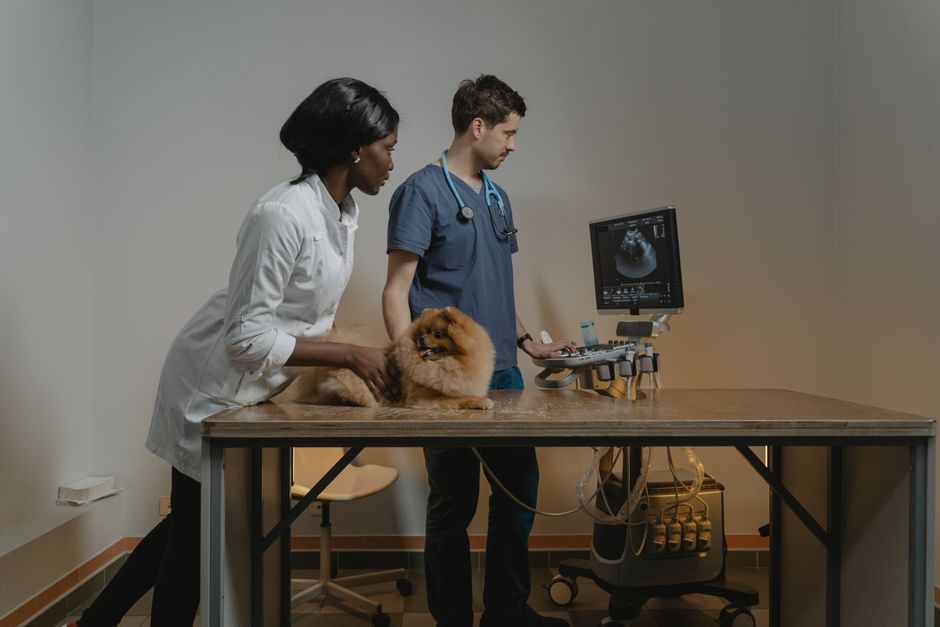
Upon arrival at ReadyVets, your pet will be triaged by our experienced veterinary team to assess the urgency of their condition. Rapid assessment is essential, so we begin with a physical examination and immediate oxygen therapy if your pet is in visible distress. Our in-house diagnostic laboratory allows us to run critical tests, such as blood gas analysis, complete blood counts, and infection screens, within minutes. Advanced imaging such as digital radiology and vet ultrasounds help us identify causes like pneumonia, fluid in the chest, tumors, or foreign bodies. For heart-related emergencies, our team can quickly perform an electrocardiogram to evaluate heart rhythm and function.
Treatment approaches vary based on the underlying cause. For airway obstructions, our veterinarians may need to perform emergency procedures to clear the airway. Pets suffering from allergic reactions receive fast-acting injections to reduce swelling and inflammation. Oxygen therapy, intravenous fluids, and medications to open airways or treat infection are administered as needed. In severe cases, such as trauma or blood loss, we can provide blood and plasma transfusion support. Our emergency surgery capabilities are available for pets requiring immediate intervention, such as removing foreign objects, repairing wounds, or draining fluid from the chest. Throughout your pet’s stay, our veterinary professionals provide continuous monitoring and supportive care to ensure the best chance for recovery.
Prevention and Home Care: Reducing the Risk of Respiratory Emergencies
While not all breathing emergencies can be prevented, there are important steps you can take at home to reduce your pet’s risk. Keeping your home free of smoke, aerosol sprays, and strong cleaning chemicals helps protect sensitive airways. During damp or chilly weather, minimize your pet’s exposure to cold drafts or sudden temperature changes, and consider using air purifiers to reduce dust and allergens. For pets with pre-existing respiratory or heart conditions, follow your veterinarian’s advice regarding medications, weight management, and exercise restrictions. Watch for early signs of coughing, wheezing, or changes in breathing patterns, and seek veterinary care promptly if symptoms develop.
Regular veterinary check-ups are vital, especially for breeds predisposed to respiratory problems or pets with chronic illnesses. Keeping up with vaccinations and parasite prevention also helps reduce the risk of infections that can lead to breathing distress. If your pet has a history of allergies or asthma, work with your veterinary team to identify and avoid triggers whenever possible. In the event of a mild respiratory episode, keeping your pet calm and reducing stress can help prevent symptoms from worsening, but always err on the side of caution and consult a professional if you are unsure.
When to Seek Emergency Veterinary Care for Your Pet
Any sign of difficulty breathing should be treated as a potential emergency. If you notice your pet breathing rapidly or with great effort, making abnormal noises, or displaying blue or pale gums, do not wait to see if symptoms improve. Collapse, unresponsiveness, or severe anxiety are all reasons to seek immediate help. Additionally, if your pet has a known history of heart or lung disease and suddenly worsens, prompt evaluation is crucial. Remember that conditions like airway obstruction, severe asthma attacks, or trauma can become fatal in minutes. ReadyVets in Taylors offers immediate, walk-in emergency care for pets in distress; our extended hours ensure that help is available whenever you need it, even when your regular veterinarian is closed. Bringing your pet in at the first sign of trouble can truly save their life.
Your Partner in Pet Emergency Care: ReadyVets Is Here for You
Breathing emergencies in pets are frightening, but prompt recognition and action can make all the difference in your pet’s outcome. If your dog or cat is showing any signs of respiratory distress, do not hesitate—bring them to ReadyVets at 5314 Wade Hampton Blvd Suite A, Taylors, South Carolina 29687 right away. Walk-ins are always welcome, and no appointment is needed for emergencies. Our veterinary team is equipped with state-of-the-art diagnostics and life-saving treatments to ensure that your pet receives the urgent care they deserve. When searching for an emergency vet near me, trust ReadyVets to be the reliable choice for Taylors and surrounding communities. If you have questions or need immediate assistance, call us at (864) 920-2777—we are here whenever emergencies happen. For more information about our full range of emergency veterinary care, please visit our website. Your pet’s health and safety are our top priorities, and our compassionate veterinary professionals are always ready to help you through even the most stressful times.
This blog is intended for informational purposes only and should not replace professional veterinary care. If your pet is experiencing a breathing emergency, seek immediate veterinary attention.