Pet Ultrasound: When Your Dog or Cat Needs One
Pet Ultrasound: When Your Dog or Cat Needs One
If your dog or cat is suddenly acting sick, experiencing unexplained pain, or showing signs that something just isn’t right, you want answers—and you want them fast. At ReadyVets, we understand how stressful it is when your four-legged family member needs urgent care. Located at 5314 Wade Hampton Blvd Suite A, Taylors, SC 29687, our urgent-care veterinary clinic offers walk-in exams, emergency services, and advanced in-house diagnostics like pet ultrasound. No appointment is needed and walk-ins are always welcome—even during evenings and weekends when your regular vet may be closed. In this blog, we’ll explain why your veterinarian might recommend an ultrasound for your pet, what conditions it can help diagnose, what to expect during the procedure, and when to seek immediate care for your dog or cat in Taylors and surrounding communities.
Recognizing When Your Dog or Cat Might Need an Ultrasound
It can be difficult to know when your pet’s symptoms warrant advanced diagnostics like a pet ultrasound. Dogs and cats often hide discomfort until a problem becomes more severe, so it’s important to recognize warning signs that may need urgent attention. Symptoms that might prompt a veterinarian to recommend ultrasound imaging include persistent vomiting or diarrhea, sudden loss of appetite, abdominal swelling or pain, difficulty urinating, blood in urine or stool, unexplained weight loss, lethargy, or signs of discomfort such as whining, restlessness, or hiding. Additionally, if your pet has experienced trauma like being hit by a car or a sudden collapse, ultrasound can help quickly assess internal injuries.
Sometimes, changes may be subtle—such as a cat straining in the litter box or a dog that seems less interested in walks. If you notice any sudden changes in your pet’s behavior, appetite, or energy level, it is always better to err on the side of caution and seek urgent veterinary care. Our team at ReadyVets uses pet ultrasound to help pinpoint the cause of these symptoms and guide fast, effective treatment.
Why Do Vets Use Pet Ultrasound? Understanding the Technology
Pet ultrasound is a non-invasive imaging tool that uses sound waves to create detailed pictures of your dog or cat’s internal organs and tissues. Unlike X-rays, which are best at visualizing bones and dense structures, ultrasound excels at providing real-time images of soft tissues such as the liver, kidneys, spleen, bladder, intestines, heart, and reproductive organs. This makes ultrasound especially valuable for diagnosing conditions that may not be visible on standard radiographs.
Ultrasound is often used when laboratory tests or physical exams suggest there’s a deeper issue that needs further investigation. For example, if your dog has abnormal bloodwork or your cat has a palpable mass in the abdomen, ultrasound can help determine the size, location, and nature of the problem. It is also a critical diagnostic tool for assessing emergency situations like internal bleeding, organ torsion, or ruptured masses. With immediate access to in-house ultrasound at ReadyVets, our veterinary professionals can make rapid decisions about the best course of action for your pet’s health.
To learn more about how this technology works, visit our veterinary ultrasound services page.
What Conditions Can Pet Ultrasound Detect in Dogs and Cats?
The uses of pet ultrasound are broad and can range from routine checks to emergency diagnostics. For dogs and cats, ultrasound is commonly used to evaluate the abdomen when there are signs of gastrointestinal upset, such as vomiting or diarrhea. It can help identify foreign objects that may have been swallowed, diagnose blockages, or detect inflammation and tumors. Ultrasound is also invaluable in detecting bladder stones, urinary tract obstructions, and abnormalities in the kidneys or liver.
For female pets, ultrasound can confirm pregnancy, monitor fetal health, or diagnose uterine infections such as pyometra—which can be life-threatening if not treated promptly. In male pets, ultrasound can evaluate the prostate or testicles for enlargement, cysts, or tumors. Cardiac ultrasound, also known as echocardiography, is used to assess heart function and detect issues such as valve disease or heart failure.
When your pet is facing sudden or unexplained symptoms, having immediate access to advanced imaging like ultrasound means our veterinary team can quickly diagnose and begin treatment—often within the same visit. This rapid turnaround is especially important in emergency situations, where every minute counts.
If you are interested in the range of diagnostic options available, you may also want to read about our in-house diagnostic laboratory services.
What to Expect During a Pet Ultrasound at ReadyVets
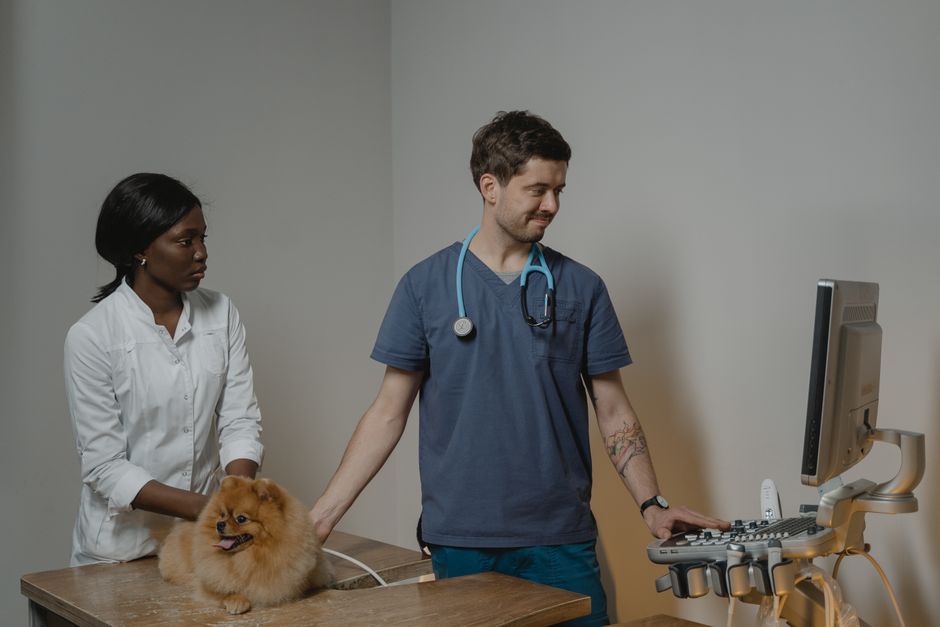
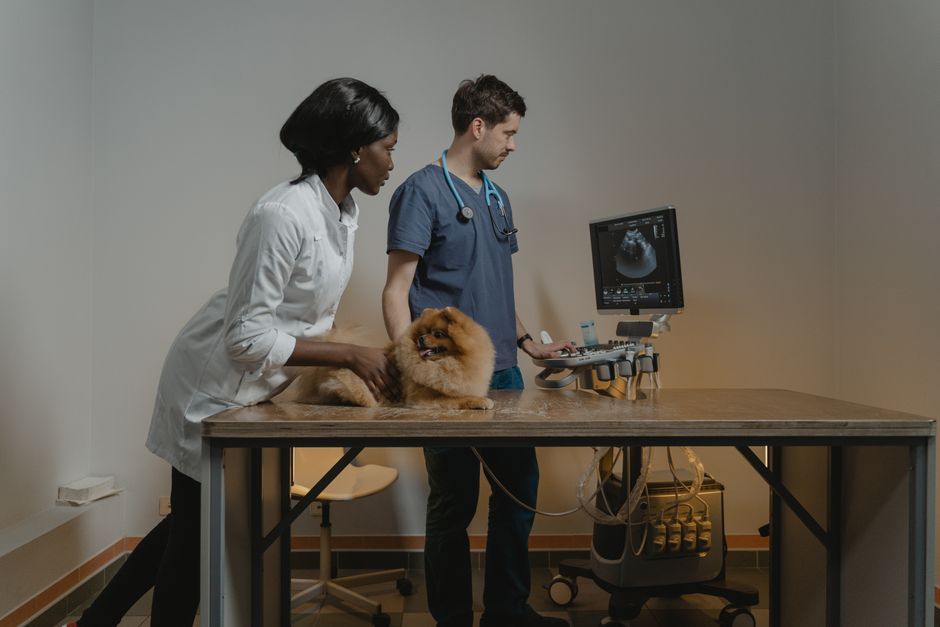
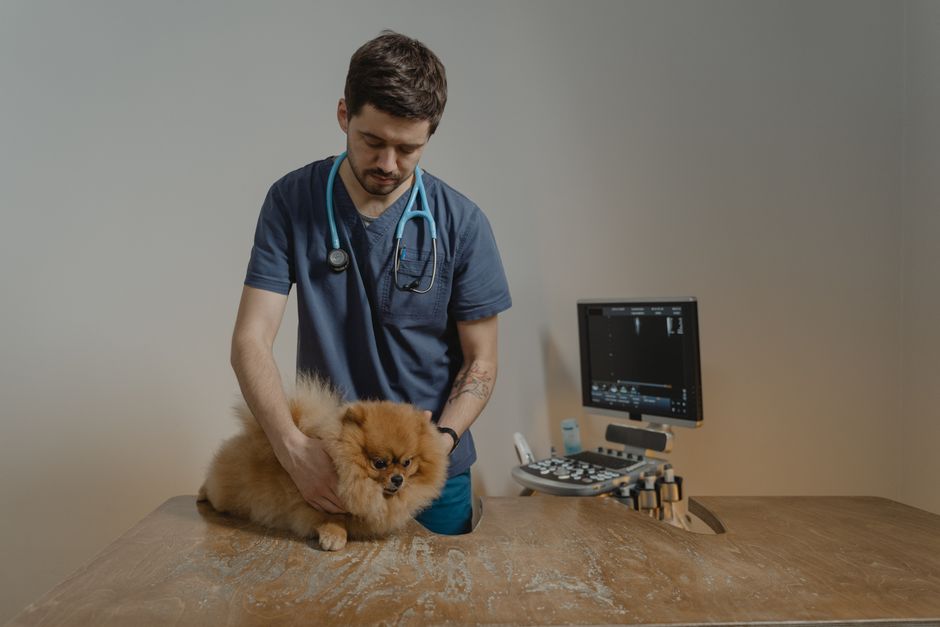
Many pet owners worry about how their dog or cat will handle an ultrasound. The good news is that ultrasound is entirely painless and non-invasive. Most pets tolerate the procedure well, and sedation is rarely needed unless your pet is very anxious or uncomfortable. During the ultrasound, your pet will lie on a soft padded table, and a small area of fur will be shaved to allow the best contact for the ultrasound probe. A special gel is applied to the skin to help transmit the sound waves, and the veterinarian or a trained veterinary technician will gently move the probe over the area of interest.
The process usually takes between 20 and 45 minutes, depending on the complexity of the case. You may be able to stay with your pet during the scan, and our veterinary professionals will talk you through what they see as the images appear on the screen. Once the scan is complete, we will review the findings with you and discuss the next steps, whether that involves further testing, medication, surgery, or supportive care.
At ReadyVets, our ability to provide in-house pet ultrasound means your dog or cat can get answers and care without delay, reducing stress and improving outcomes for urgent medical issues.
Preventing Health Crises: How Early Imaging Can Help
While some emergencies can’t be predicted, early detection of health problems can make a significant difference in your pet’s recovery. Regular wellness checks and prompt attention to changes in your pet’s behavior are key. If your veterinarian recommends an ultrasound based on physical exam findings or changes in lab results, following through quickly may help catch problems early, sometimes before symptoms become severe.
At home, pet owners can help by monitoring for signs of discomfort, changes in eating or drinking habits, unusual bathroom behavior, or any unexplained lumps or bumps. When you notice something concerning, seeking urgent care right away can prevent minor issues from turning into major emergencies. Our team is always ready to assess your pet’s needs and provide advanced diagnostics as needed.
If your pet is experiencing vomiting, diarrhea, or other gastrointestinal issues, you can find more information about veterinary gastrointestinal care and how ultrasound may be used as part of the diagnostic process.
When to Seek Urgent Veterinary Care for Your Pet
Knowing when to bring your dog or cat to an urgent-care clinic is one of the most important parts of being a responsible pet owner. You should seek immediate veterinary attention if your pet is experiencing severe or persistent vomiting, difficulty breathing, collapse, inability to urinate, seizures, sudden weakness, or any trauma such as being hit by a car or falling from a height. Additionally, if your pet has a distended or painful abdomen, is straining to urinate or defecate without producing anything, or is bleeding from any orifice, these are emergencies that require prompt medical evaluation.
At ReadyVets, walk-ins are always welcome and no appointment is needed. We are open late into the evening and on weekends to provide care when your regular veterinarian may not be available. Our full suite of emergency diagnostics—including in-house pet ultrasound—means your dog or cat can receive fast answers and immediate support in urgent situations.
If your pet’s symptoms are less severe but you are still concerned, our team encourages you to err on the side of caution and come in for an evaluation. Early intervention can prevent complications and help your pet get back to feeling their best as quickly as possible.
The ReadyVets Difference: Fast, Compassionate Care When Your Pet Needs It Most
When your pet faces a sudden health crisis, you need a team you can trust to provide immediate answers and compassionate care. At ReadyVets, our emergency veterinary professionals are skilled in advanced diagnostics, urgent treatment, and supportive care for dogs and cats in Taylors, SC and surrounding communities. Our in-house pet ultrasound capabilities allow us to diagnose a wide range of conditions quickly, reducing the wait for results and starting treatment without delay.
If you’re searching for an "emergency vet near me," remember that ReadyVets is here for you seven days a week—including evenings and weekends—with no appointment needed. If your dog or cat is experiencing sudden illness, pain, or changes in behavior, don’t wait. Bring your pet to our urgent-care clinic at 5314 Wade Hampton Blvd Suite A, Taylors, SC 29687, or call us at (864) 920-2777 for more information. To explore more about our advanced imaging services, visit our page on veterinary ultrasound for dogs and cats. Your pet’s health and comfort are our highest priorities—trust ReadyVets for expert, compassionate care when it matters most.
This blog is for informational purposes only and does not replace professional veterinary advice. If your pet is experiencing a medical emergency, seek immediate veterinary care.