How to Tell If Your Pet’s Limp Needs Emergency Care
How to Tell If Your Pet’s Limp Needs Emergency Care
When your pet suddenly starts limping, it can be both alarming and confusing. You might wonder if your furry friend has a simple sore paw or if something more serious is going on. At ReadyVets, located at 5314 Wade Hampton Blvd Suite A, Taylors, SC 29687, we regularly help families in Taylors and surrounding communities answer this very question. Our urgent-care clinic is designed for moments like these—walk-ins welcome and no appointment needed, so you never have to wait for your regular vet to reopen if your pet needs immediate attention.
In this post, we’ll guide you through the key signs that a limping pet may need emergency care, explain what can cause sudden limping, explore your options for walk-in pet exams and advanced diagnostics, and outline when you should seek urgent veterinary help. If you’re searching for prompt, reliable pet diagnostic laboratory services in Taylors, ReadyVets is here to provide answers and relief with extended hours and in-house expertise. For more information about our emergency veterinary care services, you can always visit our website or come by for a walk-in evaluation.
Recognizing When Limping Is an Emergency
It’s natural to hope your pet’s limp is nothing serious, especially if they seem otherwise happy. However, there are times when a limp signals a true emergency. Knowing the difference can make all the difference in your pet’s comfort and recovery.
Warning Signs That Require Immediate Attention
Some limps are mild and resolve quickly, but certain warning signs mean you should seek help from an emergency veterinarian near you as soon as possible. Symptoms to watch for include sudden and severe limping, your pet refusing to put any weight on the affected leg, or vocalizing in pain when the limb is touched. Additional signs are visible swelling, significant bleeding, or an obvious deformity such as an unnatural angle in the leg. If your pet is unable to stand or walk, or if the limp is accompanied by other concerning symptoms like lethargy, difficulty breathing, or pale gums, these all indicate a potential emergency.
For example, if your dog yelps when trying to stand or your cat is dragging a limb after a fall, these are urgent situations. In such cases, a walk-in pet exam is essential—do not wait for a scheduled appointment with your regular veterinarian, as time can be critical for the best outcome.
Common Causes of Sudden Limping in Pets
Understanding why pets limp can help you assess the urgency and communicate effectively with the veterinary team. Limping can stem from a range of conditions, from minor to life-threatening.
Injuries, Infections, and Underlying Health Problems
In many cases, limping is caused by soft tissue injuries such as sprains, strains, or bruises. Pets are often active and may land awkwardly when jumping or running. Other frequent causes are wounds, punctures, or foreign objects stuck in the paw, which can lead to pain and infection.
More serious sources include bone fractures, ligament or tendon tears, or joint dislocations. Sometimes, underlying health problems like infections, immune-mediated diseases, or even certain types of cancer can manifest as lameness. In older pets, arthritis or degenerative joint disease may suddenly worsen, resulting in acute limping.
If your pet is limping after being hit by a car, involved in a fall, or attacked by another animal, immediate care is crucial. Even if injuries are not visible, internal damage can be severe. ReadyVets provides advanced digital radiology and diagnostic imaging in Taylors, allowing our veterinary team to identify hidden fractures or internal injuries quickly and accurately.
How ReadyVets Diagnoses and Treats Limping in Taylors
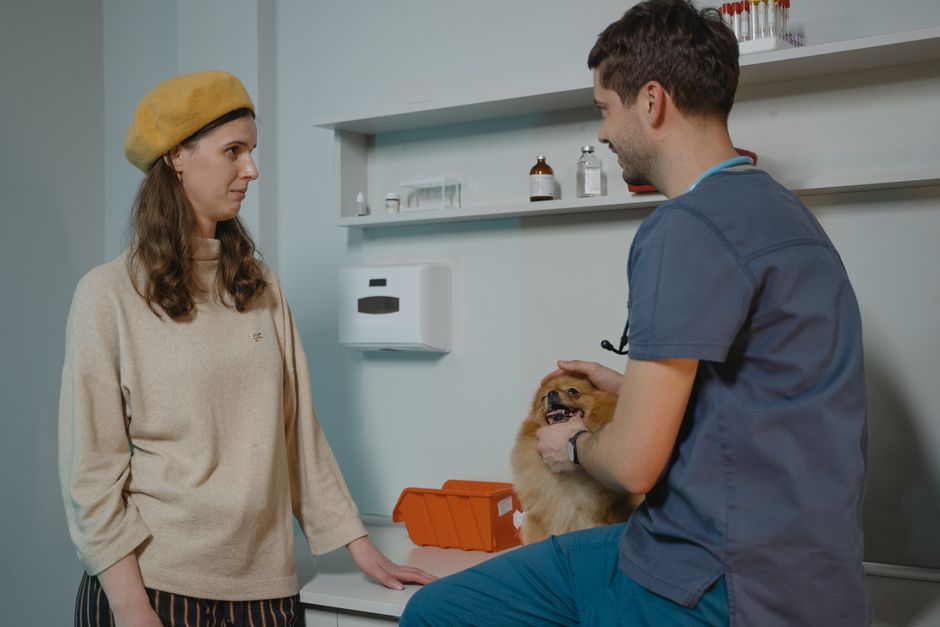
When you bring your limping pet to ReadyVets for a walk-in exam, our veterinarians start with a thorough physical assessment. We ask questions about when the limp started, any recent activity, and other changes in your pet’s behavior or appetite. This helps us tailor our approach and focus on the most likely causes.
In-House Diagnostics and Treatment Options
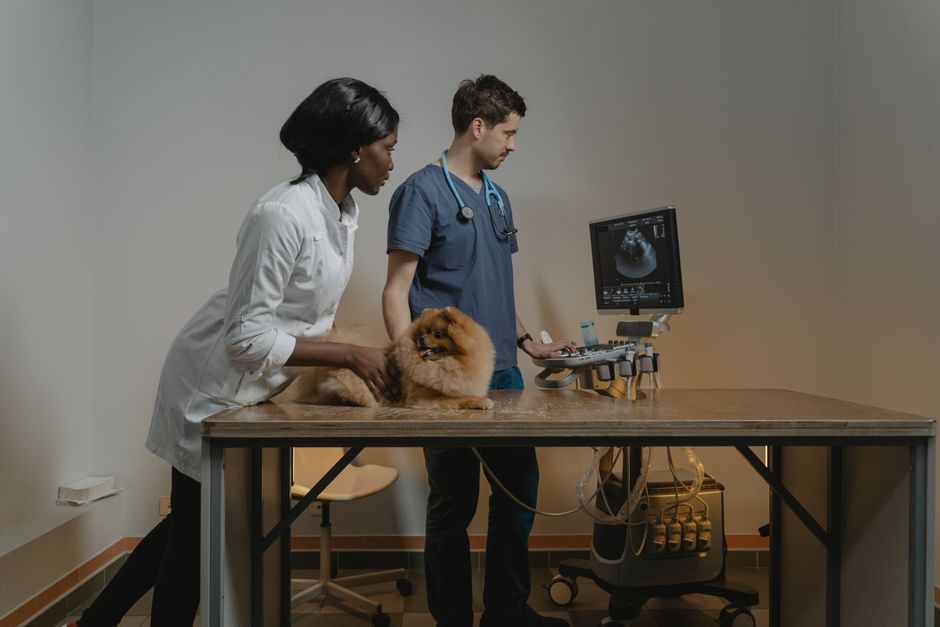
Depending on the findings, our veterinary professionals may recommend further diagnostics. Our on-site laboratory provides rapid blood tests to check for infections or inflammation. With digital x-rays, we can assess for fractures, joint injuries, or bone infections. If soft tissue injury is suspected, or if the cause remains unclear, we offer veterinary ultrasound imaging services for a closer look at muscles, tendons, and internal organs.
Treatment approaches involve stabilizing fractures or dislocations, repairing wounds, administering pain relief, and addressing underlying conditions. For severe injuries, emergency surgery may be required. Our team is equipped to provide wound repair, orthopedic procedures and treatments, and advanced medical care—all without the delay of outside referrals.
Throughout the process, our focus is on comfort and rapid relief. Whether your pet needs bandaging, splinting, medications, or urgent surgery, you can trust that your pet will receive compassionate, expert care every step of the way.
Caring for a Limping Pet at Home: What You Can Do
While some limps demand immediate action, there are times when supportive care at home can help. However, it is important to monitor your pet closely and understand when home care is appropriate.
Supportive Measures and Safety Precautions
If your pet is limping but otherwise acting normal—eating, drinking, and bearing some weight on the limb—you may try limiting activity and providing a quiet, comfortable resting place. Ensuring your pet avoids stairs, jumping, or slippery floors can prevent further injury. Gently check the paw for visible objects like thorns or glass, being careful not to cause more pain. If you notice minor swelling, a cold compress may help, but never apply ice directly to the skin.
It’s important not to give any human pain medications, as many are toxic to pets. Instead, focus on monitoring your pet for any changes, such as increased pain, swelling, or new symptoms. If the limp persists for more than 24 hours, or if your pet’s condition worsens, a walk-in visit for pet diagnostics near me is strongly recommended. For more details on our pet diagnostic laboratory services for pets, visit our website or contact us directly.
When to Seek Emergency Veterinary Care in Taylors
Deciding when to rush your pet to an urgent care vet near me can be stressful. As a rule of thumb, any sudden, severe, or worsening limp should prompt a visit to ReadyVets, especially if your pet is in obvious pain or unable to walk.
Red Flags That Mean Immediate Action
Key reasons to seek immediate care include your pet refusing to use the limb at all, visible bone or severe wounds, uncontrolled bleeding, or signs of shock such as pale gums, rapid breathing, or collapse. If your pet has a pre-existing health condition, is very young or old, or has experienced trauma, err on the side of caution.
In some cases, an untreated injury can lead to permanent damage or life-threatening complications. Our team of veterinarians is available during extended hours, including evenings and weekends, to ensure you never have to wait for urgent care. Walk-ins are always welcome, and our advanced in-house diagnostics mean you’ll get answers and treatment without delay.
If you’re uncertain, it’s better to play it safe. Our veterinary professionals are always happy to assess your pet and recommend the best course of action, whether it’s immediate intervention or monitoring at home.
ReadyVets: Here When Your Pet Needs Us Most
At ReadyVets, we understand that your pet is family, and a sudden limp can be a frightening experience. Our mission is to provide fast, effective, and compassionate care for pets in Taylors and surrounding communities whenever emergencies strike. With walk-ins welcome, no appointment needed, and a full range of diagnostics and treatments available on-site, you can count on us when your pet needs help—especially when your regular veterinarian isn’t available.
If you’re searching for a reliable emergency vet near me or need pet diagnostic laboratory services in Taylors, don’t hesitate to bring your pet to 5314 Wade Hampton Blvd Suite A, Taylors, SC 29687. Our veterinary team is ready to provide immediate care and peace of mind. For more information on our emergency veterinary care services or to learn about our full capabilities, visit our website or call (864) 920-2777. Your pet’s comfort and recovery are our top priorities—walk in anytime, and let us help your companion get back on all four paws.
If you’re ever unsure whether your pet’s limp is an emergency, don’t wait. Visit ReadyVets or consult with our veterinary professionals for expert guidance. Your pet’s safety and well-being come first.
References: