How to Recognize Signs Your Pet Needs Urgent Care

How to Recognize Signs Your Pet Needs Urgent Care
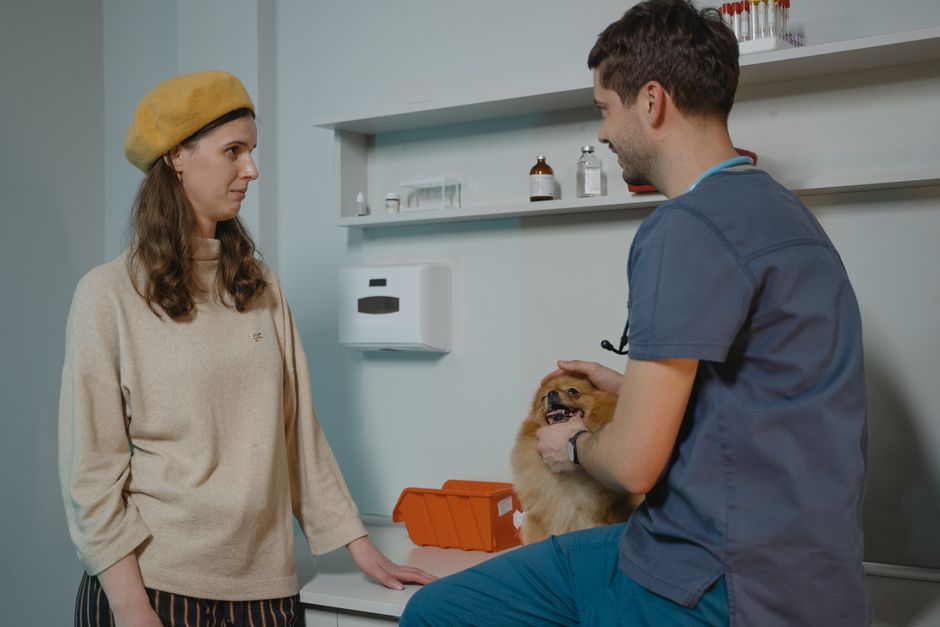
Worrying about your pet’s sudden symptoms is an experience no pet owner wants to face, yet it’s a reality many encounter at some point. Whether your dog is limping unexpectedly after a playful outing or your cat seems unusually lethargic, recognizing the signs your pet needs urgent care can make all the difference in their recovery and long-term health. At ReadyVets, located at 5314 Wade Hampton Blvd Suite A, Taylors, South Carolina 29687, our veterinary team is here to provide immediate help when it matters most. We know emergencies rarely happen at convenient times; that’s why walk-ins are always welcome and no appointment is needed during our extended hours.
In this guide, we’ll help you understand which symptoms signal a true emergency, explain what to expect when you visit our urgent care vet in Taylors, and show you how rapid diagnostics and timely intervention can save your pet’s life. We’ll also cover the common causes behind urgent symptoms, offer practical advice for home care, and provide clear direction on when to seek emergency veterinary care. Whether you’re searching for “emergency vet near me” or want to know about pet diagnostics in Taylors, this resource will empower you to act confidently and quickly for your pet’s health.
Recognizing the Signs Your Pet Needs Urgent Care
When something feels off with your pet, it’s natural to wonder if the situation is serious or if you can wait to see your regular veterinarian. Certain symptoms, however, require immediate attention from an emergency vet in Taylors to prevent complications or even save your pet’s life. Knowing the signs pet needs urgent care is a crucial part of responsible pet ownership.
Common Emergency Vet Symptoms to Watch For
Key symptoms that signal the need for urgent care include sudden difficulty breathing, persistent vomiting or diarrhea (especially with blood), collapse or inability to stand, seizures, severe pain indicated by crying out or restlessness, and uncontrolled bleeding. Additional red flags are bloated or distended abdomen (which can indicate life-threatening conditions like gastric dilatation-volvulus in dogs), straining to urinate with little or no output, exposure to toxins, and severe trauma such as being hit by a car or suffering a deep wound. Abnormal gum color, such as pale, blue, or yellow gums, is another urgent sign that something is wrong internally.
Cats and dogs can show distress in different ways. For example, cats may hide, become unusually vocal, or suddenly stop eating and drinking. Dogs might pant excessively, drool, or refuse to move. Any sudden change in behavior, such as aggression, confusion, or unresponsiveness, should also prompt an immediate visit to a 24-hour vet near me.
Subtle Symptoms That Should Not Be Ignored
Not all emergencies come with dramatic symptoms. Subtle signs like labored breathing, weakness, or rapid weight loss over a few days can indicate serious underlying problems. If your pet is suddenly unable to walk, is dragging a limb, or develops sudden vision loss, these may signal neurological emergencies or internal bleeding. Persistent coughing, repeated attempts to vomit without producing anything, or a sudden swollen abdomen are all reasons to seek help from an urgent care vet in Taylors right away.
If you notice any of these emergency vet symptoms, do not wait or attempt home remedies. The sooner your pet receives professional care, the better their chances for a positive outcome.
Understanding Why Emergencies Happen: Causes and Risk Factors
Emergencies often strike without warning, but understanding what can cause sudden symptoms may help you act faster and prevent future episodes. Pets in Taylors and surrounding communities can face a variety of risks related to local wildlife, seasonal weather changes, and everyday household hazards.
Common Causes of Pet Emergencies
Frequent causes of urgent veterinary visits include accidental ingestion of toxic plants, human medications, or household chemicals; trauma from falls or car accidents; and bites or stings from insects or other animals. In the South Carolina climate, heatstroke is a significant risk during warmer months, especially for breeds with heavy coats or pets left outdoors without adequate shade and water. Gastrointestinal blockages from swallowing toys, bones, or foreign objects are also common reasons for seeking pet diagnostics near me.
Underlying health conditions, such as heart disease, kidney failure, or diabetes, can lead to acute crises like difficulty breathing, collapse, or seizures. Older pets are at greater risk for sudden complications from chronic illnesses, while young, curious animals are more likely to suffer injuries or ingest harmful substances.
Breed, Age, and Lifestyle Considerations
Certain breeds are predisposed to specific emergencies. For instance, large deep-chested dogs are more prone to bloat and gastric torsion, while small toy breeds may experience hypoglycemia or easily suffer fractures. Outdoor cats are more likely to encounter trauma or infections, while indoor pets may still be at risk for blockages or toxin exposure. Age also plays a role; puppies and kittens can deteriorate quickly when ill, while senior pets may not show symptoms until a condition is advanced.
Understanding your pet’s unique risks can help you better recognize early warning signs and respond quickly.
What to Expect: Emergency Veterinary Treatment and Diagnostics
When you bring your pet to ReadyVets for urgent care, our veterinary professionals act swiftly to assess, stabilize, and treat your pet. We are fully equipped with a comprehensive pet diagnostic laboratory in Taylors, along with digital radiology and ultrasound capabilities, allowing us to quickly pinpoint the cause of your pet’s distress.
Immediate Assessment and Stabilization
Upon arrival, our veterinary team will perform a rapid triage to prioritize the most critical cases. This means pets experiencing life-threatening symptoms such as severe bleeding, breathing difficulty, or collapse will be seen immediately. Common diagnostic steps involve a thorough physical examination, measurement of vital signs, and initial stabilization including oxygen, intravenous fluids, or pain relief as needed.
Our physical examination services are designed to quickly detect urgent health issues and guide the next steps in diagnostics. Depending on your pet’s symptoms, we may recommend pet diagnostic laboratory services to check blood counts, organ function, or screen for toxins and infectious diseases.
Advanced Imaging and Procedures
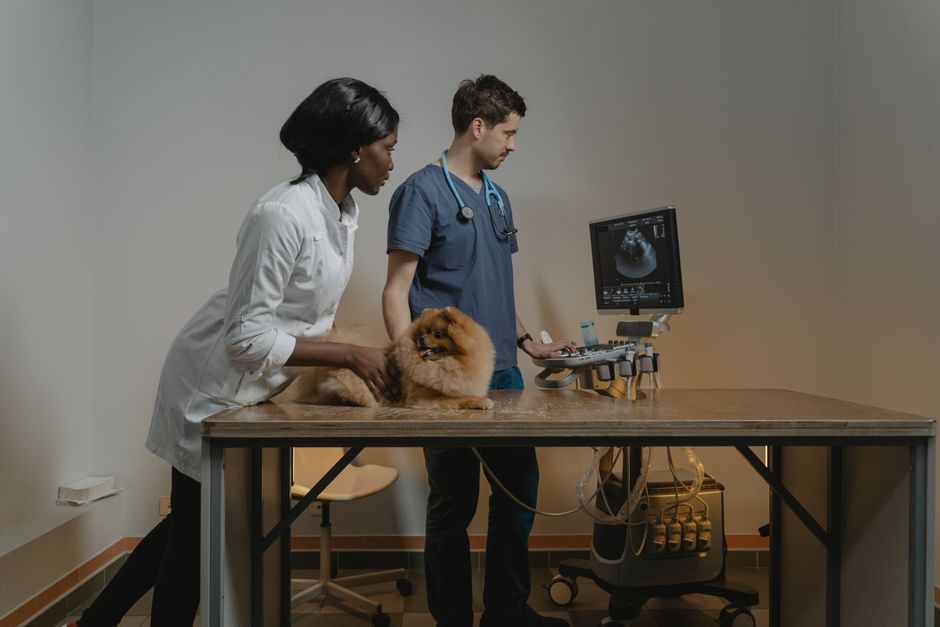
For internal injuries or unexplained symptoms, our in-house digital radiology services and ultrasound imaging provide clear pictures of bones, organs, and soft tissues without delay. This is crucial for identifying fractures, tumors, internal bleeding, or bladder stones. In cases where heart problems are suspected, our electrocardiogram (ECG) technology allows us to assess heart rhythms and diagnose arrhythmias on the spot.
If your pet requires urgent surgery, such as for a blocked bladder, internal bleeding, or removal of a foreign object, our facilities support emergency procedures with continuous monitoring and postoperative care. Treatments may also include wound repair, blood or plasma transfusions, and supportive therapies tailored to your pet’s needs.
You can expect our veterinarians to explain each step, answer your questions, and involve you in decisions about your pet’s care.
Home Care and Prevention: What Pet Owners Can Do
While not every emergency can be prevented, there are steps you can take to reduce risks and respond effectively when urgent symptoms appear. Keeping a close eye on your pet’s normal behavior and routines helps you spot problems early. Make your home safe by storing medications, cleaning products, and toxic foods out of reach. Be mindful of local hazards like hot pavement, venomous snakes, or outdoor toxins, especially during seasonal changes in Taylors.
If your pet is prone to specific emergencies, such as bloat in large dogs or hypoglycemia in small breeds, discuss preventive strategies with your regular veterinarian. This might include diet adjustments, regular exercise routines, or medication management plans. Always keep your veterinarian’s contact information and the location of your nearest urgent care vet in Taylors easily accessible.
When symptoms do arise, stay calm and focus on your pet’s breathing and comfort. If your pet is bleeding, apply gentle pressure with a clean cloth. For seizures, keep your pet away from hazards and avoid restraining them. Never attempt to induce vomiting or medicate your pet at home unless directed by a veterinarian, as some home remedies can cause further harm.
Remember that timely intervention can make a significant difference in recovery. Even if you are unsure whether a symptom is an emergency, it is always safer to seek professional advice.
When to Seek Emergency Veterinary Care
Deciding when to bring your pet to an urgent care clinic can feel overwhelming, especially when symptoms are vague or develop quickly. As a rule, any sudden, severe, or rapidly worsening symptom should prompt a visit to a 24-hour vet near me. This includes difficulty breathing, collapse, uncontrolled bleeding, persistent vomiting or diarrhea, inability to urinate, and suspected poisoning.
Time-sensitive conditions such as heatstroke, bloat, severe allergic reactions, and trauma require immediate evaluation. Waiting can lead to irreversible damage or make treatment less effective. If your pet’s symptoms are severe, do not attempt to wait until your regular veterinarian is available; seek care immediately at an urgent care vet in Taylors.
Our team at ReadyVets is here when your regular vet isn’t available, including evenings and weekends. Walk-ins are always welcome, and our facility is equipped to handle a wide range of emergencies, from surgical interventions to advanced diagnostics. We’re committed to providing prompt, compassionate care for pets in Taylors and surrounding communities.
For more information about what to expect during an emergency visit, see our emergency veterinary care page.
Take Action for Your Pet’s Health: ReadyVets Is Here When You Need Us
Recognizing the signs your pet needs urgent care is one of the most important skills you can develop as a pet owner. By acting quickly and seeking immediate help when emergency vet symptoms appear, you protect your pet’s health and well-being. Our veterinary professionals at ReadyVets are dedicated to providing rapid, thorough, and compassionate care from the moment you walk in—no appointment necessary.
If you ever find yourself searching for an emergency vet near me or need urgent care for sudden pet symptoms, remember that our doors are open and walk-ins are always welcome. We offer advanced pet diagnostic laboratory services in Taylors, so you can trust that your pet will receive accurate answers and the right treatment without delay.
For any questions about your pet’s health, contact us at (864) 920-2777 or visit us at 5314 Wade Hampton Blvd Suite A, Taylors, South Carolina 29687. ReadyVets is committed to being your trusted urgent care vet in Taylors and providing peace of mind when every second counts.
If you want to learn more about our pet diagnostic laboratory services or how we approach emergency veterinary care, our website is a valuable resource for pet owners in Taylors and surrounding communities. Your pet’s health is our top priority, and our veterinary team is always ready to help—day or night.
Disclaimer: This blog is intended for informational purposes only and should not be considered a substitute for professional veterinary advice. If your pet is experiencing urgent symptoms, please seek immediate care from a qualified emergency veterinarian.