How to Handle Pet Emergencies During Cold, Wet Weather

How to Handle Pet Emergencies During Cold, Wet Weather
Cold, rainy days in Taylors, South Carolina can be more than just uncomfortable for your pet; they can also pose serious health risks that may require urgent veterinary attention. As a pet owner, you want to keep your furry friend safe through every season, but February’s unpredictable weather can bring unique dangers that are easy to overlook. At ReadyVets, located at 5314 Wade Hampton Blvd Suite A, Taylors, South Carolina 29687, we understand how quickly an emergency can happen, especially when your regular veterinary office might be closed or fully booked. That is why our doors are open for walk-ins — no appointment needed — so you can get immediate help when your pet needs it most.
This guide will help you recognize the most common emergencies caused by cold, wet weather, understand why they happen, know what to do at home, and most importantly, when to rush to ReadyVets for professional care. Whether you live in Taylors or the surrounding communities, our dedicated veterinary team is ready to support your pet’s health and safety whenever emergencies strike. If you ever find yourself facing a sudden pet health crisis, our emergency veterinary care services are here to provide immediate, expert support.
Recognizing Cold Weather Pet Emergencies
When temperatures drop and rain is in the forecast, pets face new hazards that can escalate into emergencies within minutes or hours. As a pet owner, being able to spot the early warning signs can make all the difference in your pet’s outcome.
Hypothermia and Frostbite: Warning Signs
Hypothermia occurs when a pet’s body temperature falls below normal, which is especially dangerous for small dogs, puppies, kittens, elderly pets, and those with thin coats. Signs include shivering, lethargy, cold ears and paws, pale or bluish gums, confusion, and, in severe cases, muscle stiffness or unconsciousness. Frostbite can also develop, particularly on exposed areas like ears, tails, and toes. If you notice skin that is pale, gray, or hard to the touch, or if your pet seems to be in pain when those areas are handled, frostbite may be present.
Slips, Falls, and Traumatic Injuries
Cold, wet weather often leads to slippery surfaces outdoors and even indoors near entryways. Pets can easily slip, fall, or sustain injuries such as sprains, fractures, or ligament tears. Limping, swelling, sudden yelps of pain, an unwillingness to move, or visible deformities after a fall are all red flags for an orthopedic emergency.
Wet Coat Complications
Constant exposure to damp conditions can lead to skin problems, including hot spots, infections, and matting. Warning signs to watch for are persistent licking or chewing, red or raw skin, foul odors, and sudden hair loss. Untreated skin infections can quickly spread or become very painful, especially in cold, moist environments.
Toxic Exposures
Antifreeze and certain ice-melting chemicals are highly toxic, and accidental ingestion is more common during cold, wet weather. Symptoms of poisoning include vomiting, drooling, staggering, seizures, or sudden collapse. If you suspect your pet has been exposed to any chemical, immediate veterinary care is critical.
Why Cold, Wet Weather Leads to Emergencies
Understanding the underlying causes of these seasonal emergencies can help you better protect your pet. The combination of chilly air and moisture strips away your pet’s natural insulation and can rapidly lower their body temperature, especially in pets with thinner coats or underlying health issues.
Increased Risk for Vulnerable Pets
Certain breeds, younger and older animals, and pets with medical conditions like arthritis or heart disease are more susceptible to the effects of cold weather. For example, a senior dog with joint problems may find it harder to navigate slippery surfaces, increasing the risk of falls and injuries. Similarly, small or short-haired breeds lose heat faster, making hypothermia and frostbite more likely.
Environmental Hazards Multiply
Rain and mud can hide sharp objects, holes, or uneven ground, leading to unexpected injuries. Additionally, puddles may contain antifreeze or other chemicals, turning a simple walk into a potential poisoning emergency. Even indoor pets are at risk if drafts, damp bedding, or unheated areas cause their body temperature to drop.
Delayed Recognition
Cold weather emergencies can develop quietly. For instance, a pet that becomes lethargic or reluctant to go outside may be showing early signs of hypothermia, not just a dislike for bad weather. Similarly, a limp after slipping on wet floors might be a sign of a fracture or ligament injury rather than a minor bruise.
How ReadyVets Treats Cold Weather Emergencies
When your pet faces a cold-weather emergency, our veterinary professionals at ReadyVets are equipped to provide immediate, comprehensive care. Walk-ins are always welcome, and our extended hours mean you never have to wait for help when your regular vet is unavailable.
In-House Diagnostics for Fast Answers
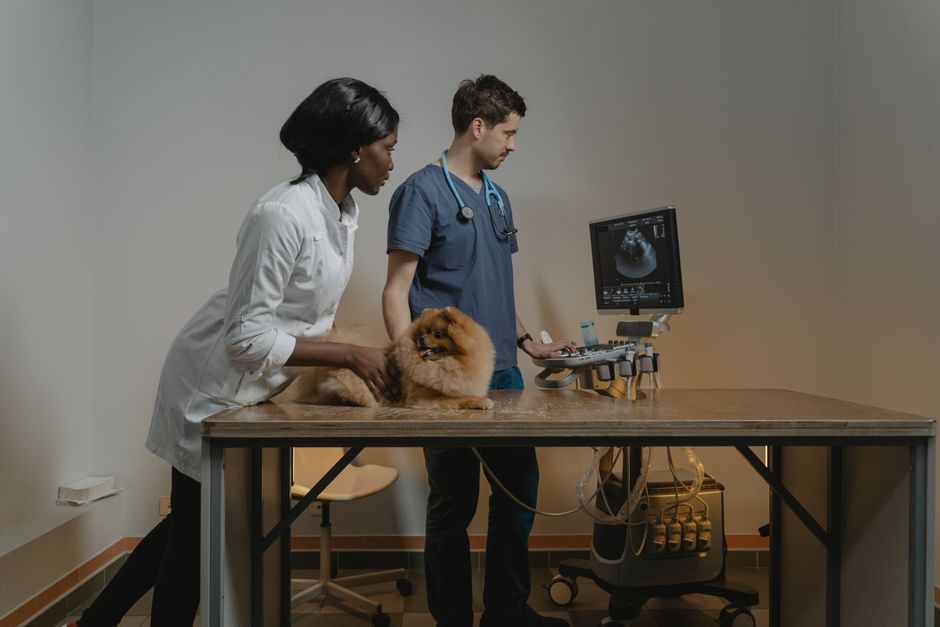
Using advanced digital radiology, ultrasounds, and a full diagnostic laboratory, our team can quickly identify the cause of your pet’s symptoms. For example, if your dog arrives shivering and lethargic, we assess their body temperature, check for signs of hypothermia or other underlying conditions, and begin warming measures right away.
Emergency Treatment and Surgery
Treatment for hypothermia involves gradually warming your pet, monitoring vital signs, and administering supportive care such as intravenous fluids if necessary. Frostbite cases require careful warming, pain management, and wound care to prevent tissue loss or infection. For traumatic injuries like fractures or sprains, our orthopedic services provide stabilization, pain relief, and, if needed, emergency surgery — all performed on-site for rapid results. If your pet has ingested a toxic substance, immediate decontamination, bloodwork, and supportive therapy are started without delay.
You can learn more about our emergency surgery services and how we manage traumatic injuries right here at ReadyVets.
Ongoing Monitoring and Support
After the initial emergency is addressed, our veterinary team provides continued monitoring and follow-up instructions to support your pet’s recovery. We will guide you through at-home care and schedule rechecks as needed, ensuring your pet’s safety long after the crisis has passed.
Prevention and Home Care Tips for Cold, Wet Weather
While not all emergencies can be prevented, proactive steps can minimize your pet’s risk during the colder, rainier months in Taylors and nearby communities.
Keep Your Pet Warm and Dry
Limit outdoor time during extreme cold or heavy rain, and always towel-dry your pet thoroughly after being outside. Use pet-safe sweaters or jackets for dogs with thin coats, and ensure bedding is clean, dry, and located away from drafts. Provide extra warmth for seniors, puppies, and kittens, as they are less able to regulate their body temperature.
Monitor for Hazards
Inspect your yard, sidewalks, and walking routes for slippery areas, sharp objects, or standing water that could hide toxic substances. Wipe your pet’s paws and belly after walks to remove chemicals, mud, or ice-melting agents. If you use antifreeze or other chemicals at home, store them securely out of reach and clean up any spills immediately.
Watch for Early Signs
Pay close attention to changes in your pet’s behavior, such as reluctance to go outside, excessive licking, limping, or shivering. Early intervention can often prevent a minor issue from becoming a full-blown emergency.
Prepare for Emergencies
Keep your veterinarian’s contact information easily accessible and know the fastest route to ReadyVets in Taylors. Make sure your pet’s microchip and identification tags are up to date in case they get lost during a storm or power outage.
When to Seek Immediate Veterinary Care
Some cold-weather incidents require prompt action to safeguard your pet’s life and well-being. It is important to know when home care is not enough and when a visit to an emergency clinic is vital.
Urgent Signs That Need Immediate Attention
If your pet shows signs such as persistent shivering, weakness, confusion, pale or blue gums, severe pain, uncontrolled bleeding, difficulty breathing, sudden inability to walk, or symptoms of poisoning, you should not wait. Immediate veterinary intervention can prevent complications and save lives.
At ReadyVets, we specialize in rapid assessment and treatment of emergencies. Walk-ins are always welcome — you never need an appointment. If your pet’s condition appears serious or you are uncertain how urgent it is, our emergency veterinary care team is available during extended hours, including evenings and weekends, to help when your regular veterinarian is closed or unavailable.
If you are unsure whether your pet needs urgent care, it is always safer to err on the side of caution. You can also bring your pet in for a physical examination at any time to get a professional opinion from our veterinary professionals.
Your Partner in Cold-Weather Pet Safety — Visit ReadyVets Anytime
Cold, wet weather in Taylors and surrounding communities can be unpredictable, but your response to a pet emergency does not have to be. By staying vigilant for symptoms such as shivering, limping, or sudden behavioral changes, keeping your pet warm and dry, and acting quickly when something seems wrong, you play a vital role in your pet’s well-being. Remember, some emergencies simply cannot wait for a scheduled appointment or for your regular vet’s office hours.
When minutes matter, ReadyVets is your trusted local resource. Our veterinary professionals offer immediate, expert care with no appointment needed — walk-ins are always welcome. If you are searching for an "emergency vet near me" in Taylors, you can count on our team to provide the rapid response and compassionate support your pet deserves.
For urgent concerns or to learn more about how we can help, visit us at 5314 Wade Hampton Blvd Suite A, Taylors, South Carolina 29687 or call (864) 920-2777. Our comprehensive veterinary care with walk-in convenience is available whenever your pet needs us most. Stay prepared, stay informed, and let ReadyVets be your ally through every season.
This blog is intended for informational purposes only and should not replace professional veterinary care. If your pet is experiencing a medical emergency, seek immediate help from a qualified veterinarian.