How Emergency Surgery Saves Pets in Taylors SC
How Emergency Surgery Saves Pets in Taylors, SC
When your beloved pet faces a sudden crisis, every moment counts. Whether you notice your dog struggling to breathe after swallowing something dangerous, or your cat is suddenly unable to urinate, these emergencies can be terrifying. In these critical situations, knowing where to turn for immediate help can make all the difference. At ReadyVets, located at 5314 Wade Hampton Blvd Suite A, Taylors, South Carolina 29687, our veterinary emergency clinic in Taylors is fully equipped to handle urgent medical needs, including life-saving emergency surgery for pets. Walk-ins are always welcome, and no appointment is needed—our extended hours mean we’re here when your regular vet isn’t.
This blog will guide you through when emergency surgery for pets becomes essential, the signs and risks that mean your pet needs immediate intervention, and what the process looks like at an urgent care vet near me. You’ll also learn about the advanced diagnostics and surgical capabilities available at ReadyVets and what to expect when every second matters. If you want to understand more about the procedures we perform during emergencies, you can find additional details on our emergency surgery services.
Let’s explore how rapid, decisive care at a veterinary emergency clinic Taylors can truly save lives.
Recognizing When Your Pet Needs Emergency Surgery
Emergencies never follow a schedule, and as a pet owner, it’s crucial to know the warning signs that require immediate medical attention. Many life-threatening conditions develop suddenly or worsen within hours, so being alert to changes in your pet’s behavior or physical state can be the difference between life and death.
Key symptoms that may signal the need for emergency surgery include severe abdominal pain—your pet may whine, pace, or seem unable to get comfortable. Uncontrollable bleeding from wounds, deep cuts, or after an accident means blood loss can become fatal quickly. Difficulty breathing, extreme lethargy, collapse, or loss of consciousness are all red flags. Other signs to watch for are repeated vomiting or attempts to vomit with nothing coming up, a distended abdomen, sudden inability to urinate (especially in male cats), or visible trauma after being struck by a car.
Imagine your dog suddenly begins retching without producing anything, and their stomach appears swollen. This could indicate gastric dilatation-volvulus (GDV), a condition where the stomach twists and fills with gas—a true surgical emergency. Or, if you notice your cat repeatedly straining in the litter box without success, it may be suffering from a urinary blockage, which can become fatal within hours if not surgically relieved.
If you ever observe these symptoms, do not wait. Head immediately to an emergency vet near me, such as ReadyVets in Taylors, where our veterinary professionals are prepared for rapid intervention.
Why Do Pets Need Emergency Surgery? Understanding the Causes
Life-threatening emergencies in pets can arise from a variety of causes, many of which require surgical intervention for your companion to survive. Trauma is a leading factor—pets injured in car accidents, animal attacks, or severe falls often sustain internal bleeding or organ damage that can only be addressed surgically. Similarly, wounds from bites or lacerations may extend deeper than they appear, risking infection or damage to underlying structures.
Intestinal blockages are another common cause. Dogs and cats, especially young or curious ones, may swallow foreign objects like toys, string, or bones. These can obstruct or tear the intestines, leading to a rapid decline if not surgically removed. Gastric dilatation-volvulus, as mentioned earlier, is a condition seen primarily in large breed dogs and requires emergency surgery to untwist the stomach and relieve pressure on vital organs.
Pyometra, a life-threatening uterine infection in unspayed female pets, often goes unnoticed until your pet becomes lethargic, refuses food, or develops a fever. Emergency surgery is needed to remove the infected uterus before toxins spread throughout the body. Additionally, bladder or urinary blockages, especially in male cats, can quickly lead to kidney failure and death without prompt surgical correction.
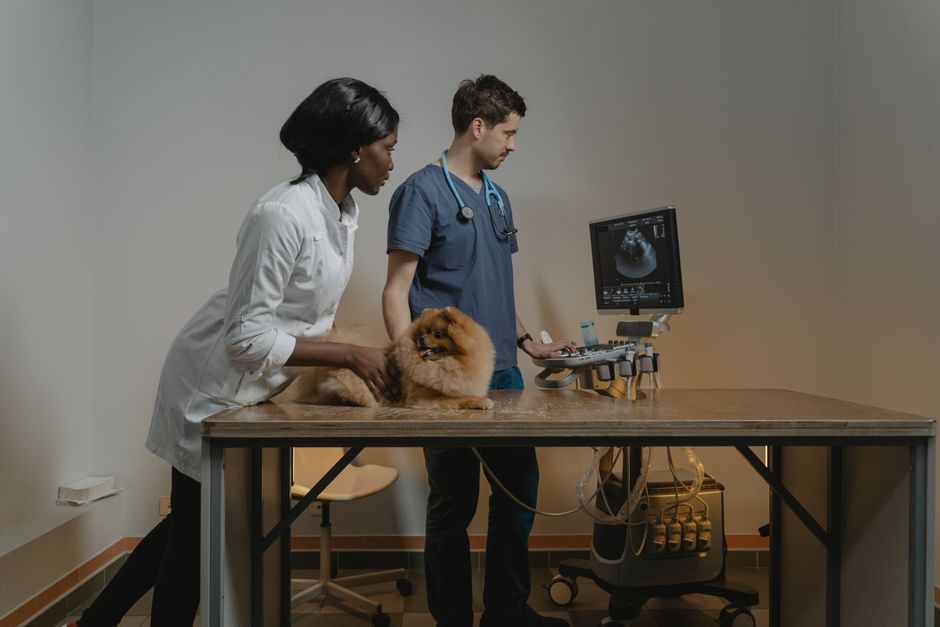
In some cases, internal bleeding from ruptured spleens, tumors, or complications during labor (such as a puppy or kitten becoming stuck in the birth canal) may also require immediate surgical intervention. Our team at ReadyVets leverages advanced diagnostic laboratory services and ultrasounds to rapidly identify the underlying cause and determine whether emergency surgery for pets is needed.
What to Expect: Treatment and Emergency Surgery for Pets in Taylors
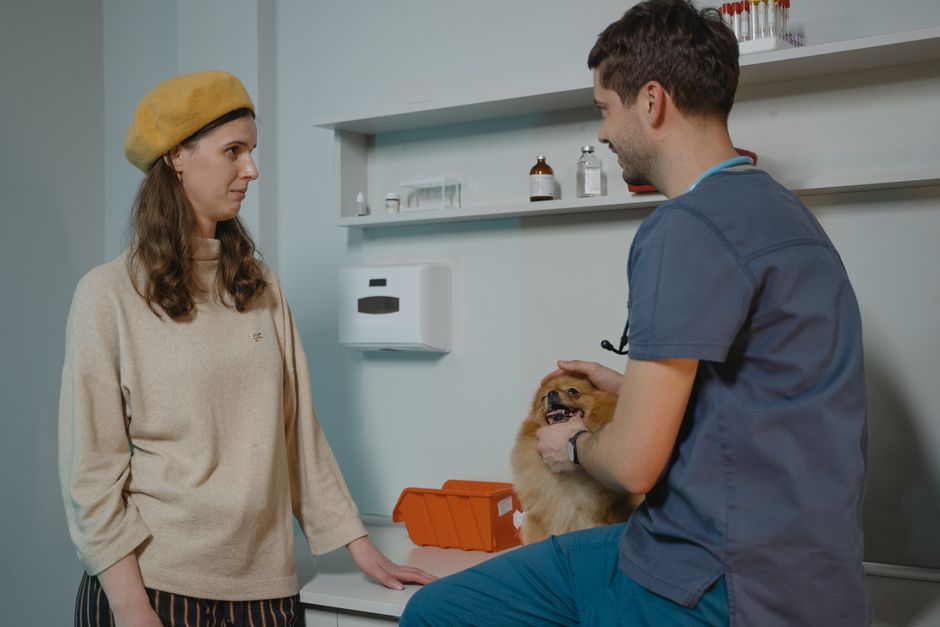
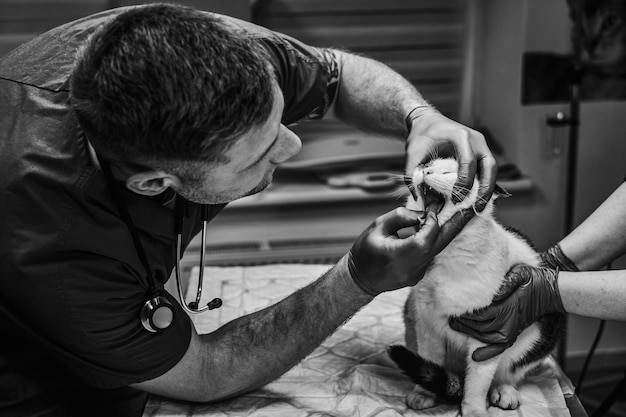
When you arrive at our veterinary emergency clinic Taylors, our team of veterinarians will immediately assess your pet’s condition. Our process starts with a rapid physical exam followed by diagnostics tailored to the emergency. Using in-house laboratory services, digital radiology, and ultrasound, we quickly identify internal injuries, blockages, or infections. This comprehensive approach ensures your pet receives the right treatment without delay.
If emergency surgery is necessary, our veterinary professionals will discuss the situation with you, explain the risks, and outline the expected outcomes. Surgical procedures may involve repairing internal injuries, removing foreign objects, untwisting the stomach, or correcting life-threatening infections. For example, in cases of trauma, wound repair may include cleaning, suturing, and addressing any internal bleeding. If a pet has a blocked bladder, the surgical team may need to remove the obstruction and flush the urinary system to restore normal function.
Throughout the process, our veterinary team works to stabilize your pet, control pain, and address life-threatening problems. Blood and plasma transfusions are available if your pet has lost significant blood or is suffering from shock, supporting their recovery during and after surgery. You can learn more about these advanced, life-saving options by visiting our page on blood and plasma transfusion services.
Recovery from emergency surgery depends on the severity of the condition and the procedure performed. Our team provides continuous monitoring and supportive care, keeping you informed every step of the way. We aim to reunite you with your pet as soon as it’s safe, providing instructions for home care and follow-up.
Helping Your Pet at Home and Preventing Emergencies
While not every emergency can be prevented, there are steps you can take to reduce the risk that your pet will need emergency surgery. Keeping hazardous items, such as small toys, string, bones, and toxic foods, out of your pet’s reach can help prevent blockages or poisoning. Regular veterinary checkups can catch health problems before they become severe. If your pet is an unspayed female, discussing spay surgery with your veterinarian can prevent pyometra, one of the most common surgical emergencies in older female pets.
For pets prone to certain emergencies—like large breed dogs that are at risk for GDV—it’s helpful to feed smaller meals throughout the day, avoid vigorous exercise right after eating, and monitor for any signs of discomfort. Ensuring your yard and home are secure reduces the risk of traumatic injuries from car accidents or falls.
If you notice any concerning changes in your pet’s behavior, appetite, or bathroom habits, seeking advice from a vet near me promptly is always the safest course. Even if your regular veterinarian is closed, ReadyVets in Taylors is available for urgent care and emergency situations.
When to Seek Immediate Veterinary Care: Knowing the Difference Between Urgent and Emergent
Knowing when to rush your pet to a veterinary emergency clinic Taylors is vital. True emergencies require immediate intervention, and waiting for a regular appointment could put your pet’s life at risk. If your pet is experiencing uncontrollable bleeding, severe trauma, persistent vomiting or retching without results, difficulty breathing, collapse, sudden inability to urinate, or signs of extreme pain, immediate evaluation is essential.
Our urgent care vet near me is designed for situations when minutes matter. At ReadyVets, walk-ins are always welcome, and we’re open during extended hours—including nights and weekends—when most veterinary clinics are closed. Our in-house diagnostic laboratory and surgical suite allow our veterinary professionals to move quickly from diagnosis to treatment, giving your pet the best possible chance of survival.
If you are ever unsure about the severity of your pet’s condition, it is always safer to err on the side of caution. Our team is ready to assess, diagnose, and treat emergencies with compassion and skill.
Trust ReadyVets for Emergency Surgery and Urgent Care in Taylors
Facing a pet emergency is overwhelming, but you are not alone. At ReadyVets, we understand how much your pet means to your family, and we are committed to providing fast, effective emergency surgery for pets in Taylors and surrounding communities. Our veterinary emergency clinic Taylors is equipped for rapid intervention, advanced diagnostics, and life-saving procedures—ensuring your pet receives the highest standard of care when it matters most.
If your pet is in crisis or you need an emergency veterinarian near me, come directly to our clinic at 5314 Wade Hampton Blvd Suite A, Taylors, South Carolina 29687. Walk-ins are always welcome, and no appointment is needed—just bring your pet in for immediate attention. For more information about our emergency services, visit our page on emergency veterinary care.
Your pet’s health can’t wait. If you suspect an emergency or need urgent care, call ReadyVets at (864) 920-2777 or come straight to our clinic. Our experienced team of veterinarians is here for you whenever emergencies happen, offering trusted care for those searching for a 24-hour vet near me and emergency surgery for pets in Taylors. Your pet’s safety and recovery are always our top priorities.
This article is intended for informational purposes only and does not replace professional veterinary advice. If your pet is experiencing an emergency, seek immediate veterinary care.