Heatstroke in Pets: Emergency Signs and What to Do
Heatstroke in Pets: Emergency Signs and What to Do
South Carolina’s hot and humid summers can be hard on everyone—especially our four-legged family members. As temperatures climb in Taylors and surrounding communities, heatstroke becomes a real danger for dogs and cats. Whether your pet loves to sunbathe on the porch or you’re squeezing in a midday walk, it’s important to know the urgent warning signs of heatstroke and how to act fast if you suspect your pet is in trouble. At ReadyVets Veterinary Urgent Care, located at 5314 Wade Hampton Blvd Suite A, Taylors, South Carolina 29687, we understand how frightening it can be to see your pet struggling in the heat. Walk-ins are always welcome during our extended hours, and no appointment is needed—so you can seek help right away. In this guide, we’ll cover the signs of heatstroke in dogs and cats, what causes this life-threatening emergency, initial steps you can take at home, and when it’s time to bring your pet to our urgent care clinic for immediate attention.
Recognizing Heatstroke: Signs Your Pet Needs Urgent Help
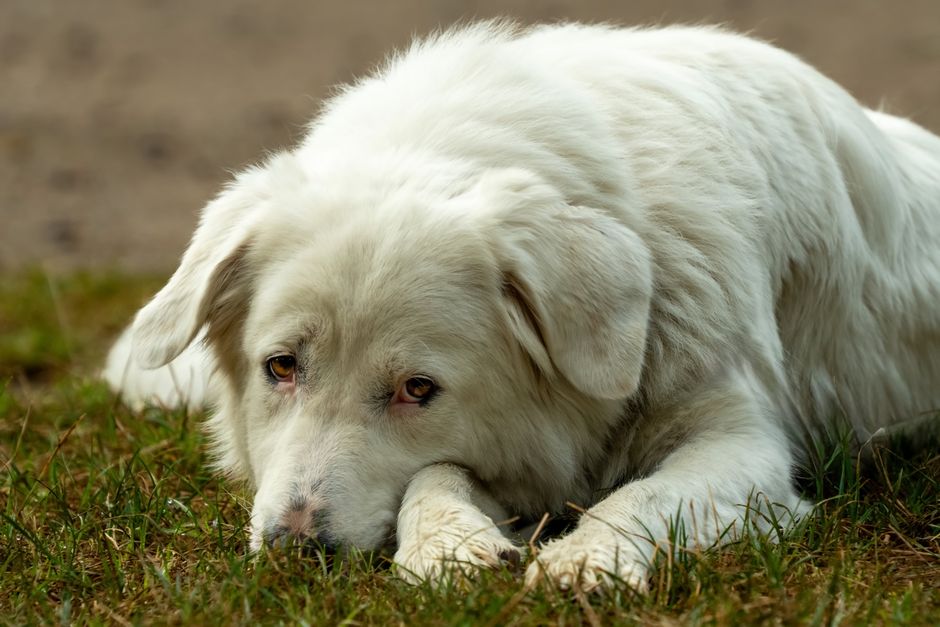
Heatstroke in pets can develop quickly, often within minutes, especially during the peak of summer. Knowing how to spot the symptoms early can mean the difference between a full recovery and a life-threatening crisis. Your dog or cat may start with subtle changes, such as excessive panting or restlessness. As their body temperature rises, more serious symptoms can develop. Warning signs to watch for include heavy or rapid panting, drooling that is thicker than usual, gums that turn bright red or even blue in severe cases, and weakness or collapse. Some pets may vomit or have diarrhea, sometimes with blood present. Disorientation, glazed eyes, and rapid heart rate are also red flags. Cats may hide, breathe with their mouth open, or become suddenly lethargic.
If you notice any of these signs, especially after your pet has been outdoors or in a warm environment, take action immediately. Heatstroke can cause organ failure and even death if not treated quickly. The risk increases for flat-faced breeds like Bulldogs and Persians, older pets, overweight animals, and those with existing medical conditions. Even a quick errand with your pet left in a car—even with the windows cracked—can be disastrous. Always err on the side of caution and seek help if you are worried about your pet’s condition.
What Causes Heatstroke in Dogs and Cats?
Understanding how heatstroke develops helps you protect your pet from harm. Unlike humans, dogs and cats cannot cool themselves efficiently by sweating. They rely primarily on panting to release heat, but this is not enough when the temperature and humidity are high. Common causes of heatstroke in pets include being left in a hot car, even for a short time, excessive exercise during the hottest parts of the day, and lack of access to shade or water. Outdoor pets, or those that spend time in poorly ventilated areas, are especially vulnerable.
Certain breeds, such as Pugs, French Bulldogs, and Himalayan cats, have shorter airways and are more prone to overheating. Older pets, puppies, kittens, and those with underlying health problems are also at higher risk. South Carolina’s humid summers compound the danger because moisture in the air makes it harder for pets to cool themselves through panting. Even indoor pets can be at risk if air conditioning fails or if a pet becomes trapped in a sunroom or garage.
Emergency Treatment for Heatstroke: What to Expect at the Clinic
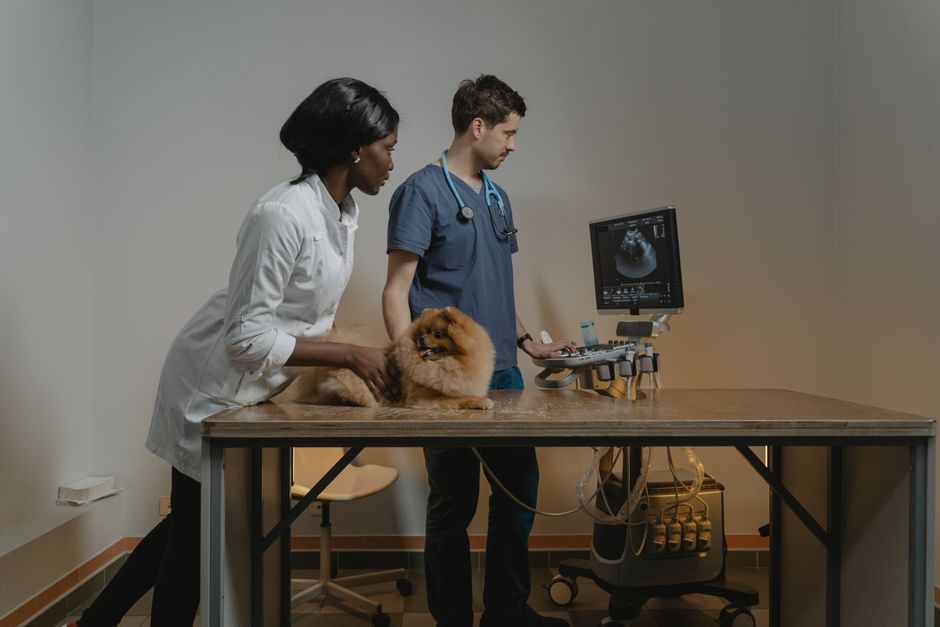
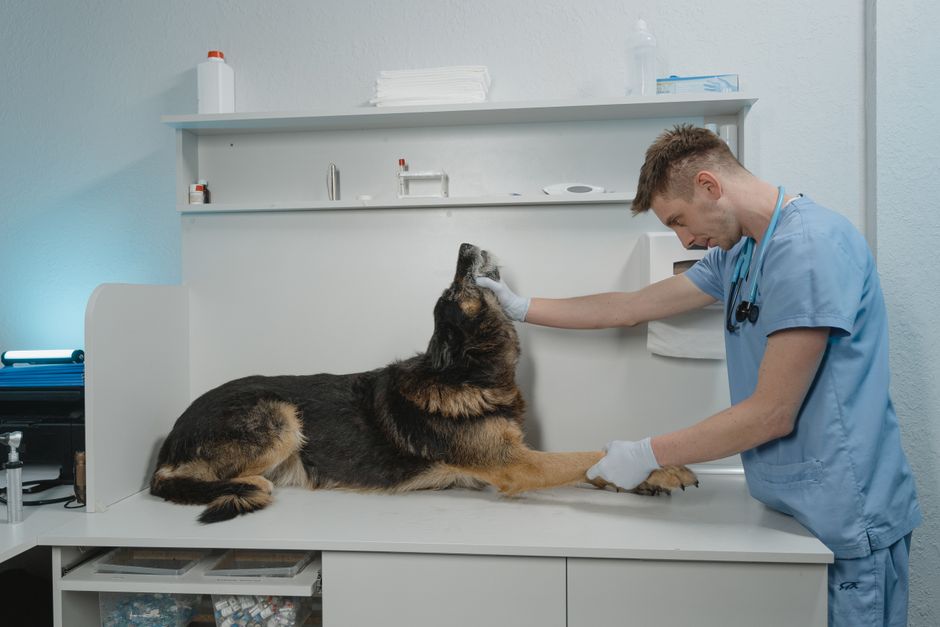
When you bring your pet to ReadyVets Veterinary Urgent Care for suspected heatstroke, our veterinary team acts quickly to stabilize your pet and prevent complications. Immediate steps include checking vital signs, assessing hydration, and starting cooling measures. This may involve applying cool (not cold) water to your pet’s body, using fans, and placing cool packs in strategic areas such as the groin and armpits. Our full in-house diagnostics allow us to monitor organ function, blood pressure, and electrolyte levels on the spot.
Treatment approaches involve intravenous fluids to rehydrate and support circulation, oxygen therapy if breathing is compromised, and medications as needed to control seizures or protect internal organs. Severe cases may require hospitalization for close monitoring and ongoing care. Our team is experienced in handling critical emergencies and provides continuous support until your pet is stable.
If your pet needs advanced intervention, such as blood transfusions or emergency surgery due to complications like internal bleeding or organ damage, ReadyVets is equipped to provide these life-saving services. You can read more about how we handle urgent situations on our emergency veterinary care page.
First Aid for Heatstroke: What You Can Do at Home Before Heading to ReadyVets
If you suspect your dog or cat is experiencing heatstroke, swift action is essential, but it’s equally important not to overdo cooling at home. Move your pet to a cooler area, preferably indoors with air conditioning. Offer small amounts of cool water to drink, but do not force your pet to drink or allow them to gulp large quantities at once, as this can cause vomiting.
Begin cooling your pet by gently wetting their fur with cool tap water and using a fan to increase evaporation. Focus on the belly, underarms, and paw pads, which are areas where heat dissipates most effectively. Avoid using ice or very cold water, as this can cause blood vessels to constrict and may worsen the situation. Monitor your pet’s temperature if possible; a rectal thermometer is most accurate. Once your pet’s temperature reaches about 103°F, stop active cooling, as dropping their temperature too low can cause other problems.
While these steps can help, they are not a substitute for professional care. Internal damage can occur even if your pet seems to be improving. Bring your pet to ReadyVets Veterinary Urgent Care as soon as possible, since our team can address complications you may not see, such as kidney failure or abnormal heart rhythms.
How to Prevent Heatstroke in South Carolina’s Summer Months
Prevention is always better than emergency treatment, especially in South Carolina’s challenging summer climate. Key steps include limiting outdoor activity to early mornings or evenings, providing access to fresh, cool water at all times, and ensuring your pet has plenty of shade or a cool indoor space. Never leave your pet unattended in a parked car, even if you plan to return quickly. On a typical summer day in Taylors, the temperature inside a car can rise to dangerous levels in just minutes.
For breeds at higher risk, consider skipping walks altogether on the hottest days and using cooling vests or mats designed for pets. Watch for signs of overheating even during supervised playtime, and make sure your pet can retreat to a cool area if needed. If you notice your dog or cat panting more than usual or seeking out cool surfaces, it’s time to slow down and help them cool off.
For a more detailed health assessment or advice on keeping your pet safe in the heat, a comprehensive pet exam can help identify individual risk factors, such as obesity or heart disease, that may make your pet more vulnerable.
When to Seek Immediate Veterinary Care for Heatstroke
Heatstroke is always a medical emergency. If your pet is panting heavily, drooling excessively, vomiting, struggling to stand, or appears confused, do not wait—bring them to ReadyVets Veterinary Urgent Care right away. Walk-ins are always welcome, and no appointment is needed. We are open late every night and all weekend, so you can get help when your regular veterinarian isn’t available.
If your pet becomes unresponsive, has seizures, or collapses, these are critical signs that require immediate intervention. Do not delay by trying to treat at home; rapid professional care is the only way to give your pet the best chance at a full recovery. Our veterinary team is trained and equipped to handle heatstroke and its complications, providing the urgent support your pet needs.
Remember, even if your pet seems to improve after initial cooling, internal organ damage may still occur. It is always safest to have your pet evaluated at our clinic, where we can perform necessary diagnostics and provide supportive care.
Take Action: Protect Your Pet from Heatstroke This Summer
As temperatures soar in Taylors and the Greenville area, heatstroke is a danger every pet owner should take seriously. Recognizing warning signs, acting quickly at home, and seeking emergency care when needed can save your pet’s life. At ReadyVets Veterinary Urgent Care, our team of veterinarians is here to provide immediate help whenever you need it, whether it’s during the day, late at night, or on weekends. Walk-ins are always welcome, and we are open when your regular veterinarian isn’t—no appointment needed.
If you are ever concerned that your dog or cat is suffering from heatstroke, don’t wait. Visit us at 5314 Wade Hampton Blvd Suite A, Taylors, South Carolina 29687, or call (864) 920-2777 for urgent advice. For more information on how we handle emergencies, see our emergency veterinary care page, or learn about our veterinary care services for pets.
When searching for an emergency vet near me, trust ReadyVets to deliver fast, compassionate care for your pets. Your pet’s safety and comfort are always our top priority, especially during the hottest days of the year. If you have any concerns about heatstroke or any other urgent issue, don’t hesitate—our veterinary professionals are ready to help you and your pet, every day of the week.
Disclaimer: This article is for informational purposes only and does not replace professional veterinary advice. If your pet is experiencing symptoms of heatstroke or another emergency, seek veterinary care immediately.