Heatstroke in Dogs and Cats: Urgent Warning Signs to Watch For
Heatstroke in Dogs and Cats: Urgent Warning Signs to Watch For
As summer temperatures climb in Taylors and surrounding communities, many pet owners start to worry about their dogs and cats suffering in the heat. June brings not only longer days but also high humidity and sweltering afternoons that can quickly put your pet at risk for heatstroke—a life-threatening emergency requiring rapid intervention. At ReadyVets, your local urgent-care veterinary clinic located at 5314 Wade Hampton Blvd Suite A, Taylors, South Carolina 29687, we see the serious consequences of heatstroke every summer. Our team is here when your regular veterinarian isn't—offering walk-in exams, emergency services, and immediate in-house diagnostics with extended hours, so you never have to wait for critical care. In this blog, you'll learn the urgent warning signs of heatstroke in dogs and cats, what causes this emergency, how our veterinary professionals treat heatstroke, what you can do at home to prevent it, and when it's time to walk in for emergency veterinary care. The health and safety of your pet in hot weather is our top priority.
Recognizing Heatstroke: Warning Signs in Dogs and Cats
Heatstroke can come on quickly in pets, especially during humid South Carolina summers. Recognizing the symptoms early can mean the difference between life and death for your dog or cat. Common warning signs include rapid or heavy panting, excessive drooling, restlessness, and difficulty breathing. As heatstroke progresses, you may notice your pet becoming weak or lethargic, vomiting or having diarrhea, or even collapsing. Some pets may have bright red gums, a rapid heart rate, or exhibit uncoordination and confusion. In the most severe cases, heatstroke can lead to seizures or loss of consciousness. Cats, in particular, are masters at hiding distress, so signs like open-mouth breathing, staggering, or sudden collapse should be taken extremely seriously. If your pet shows any of these symptoms, immediate action is crucial—heatstroke is always an emergency.
Why Heatstroke Happens: Understanding the Risks
Heatstroke occurs when your pet’s body temperature rises dangerously high and their natural cooling mechanisms can no longer keep up. Dogs and cats do not sweat the way people do; they primarily cool themselves through panting and, to a lesser extent, through their paw pads. When the air is humid and hot, panting becomes less effective, and pets can overheat rapidly. Common risk factors include being left in a parked car (even with windows cracked), exercising vigorously during the hottest part of the day, or being confined to spaces without adequate shade or ventilation. Brachycephalic breeds—dogs and cats with short noses like Bulldogs, Pugs, Frenchies, and Persians—are especially vulnerable due to their reduced ability to breathe efficiently. Overweight pets, seniors, and those with underlying health conditions are also at higher risk. Even a quick trip outside can become dangerous if the pavement is scorching or the air is still.
Emergency Treatment for Heatstroke at ReadyVets
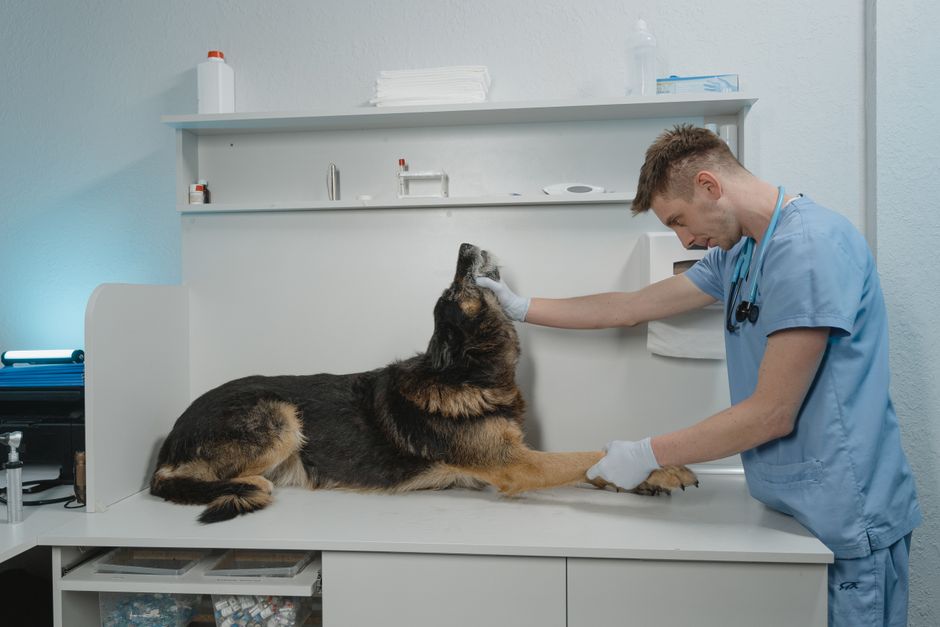
When your pet arrives at ReadyVets with heatstroke, our urgent-care veterinary team moves swiftly to stabilize them. There is no time to wait; every minute counts. Treatment begins with a rapid assessment of your pet’s vital signs and body temperature. We start cooling measures immediately, such as applying cool (not ice-cold) water to fur and skin, using fans, and administering intravenous fluids to support hydration and circulation. Our in-house diagnostics—including bloodwork and digital radiology—help us assess for complications like organ damage, electrolyte imbalances, or blood clotting disorders.
If your pet is experiencing seizures, shock, or difficulty breathing, we have advanced emergency care protocols to address these critical issues. Oxygen therapy, medications to control seizures or reduce swelling, and close monitoring are all part of the support we provide. In severe cases, intensive care and hospitalization may be necessary. Rapid treatment greatly improves the chances of recovery, and our team is equipped to provide all the services your pet needs in these life-threatening situations. You can learn more about our emergency veterinary care and how we respond to urgent cases.
How to Prevent Heatstroke in Your Pet
Preventing heatstroke begins with understanding your pet’s environment and limitations. Never leave your dog or cat in a parked car, even for a few minutes, as temperatures can skyrocket in seconds. During hot weather, restrict outdoor activity to early morning or late evening when it's cooler. Always provide access to fresh, cool water and shade, both indoors and outside. For dogs, avoid walks on hot pavement and watch for signs of overheating during play. Cats should be kept indoors during heat waves, and ensure they have cool, ventilated resting areas.
Certain breeds, older pets, and those with medical conditions should be watched even more closely. Consider setting up fans, cooling mats, or air conditioning if possible. If you notice your pet panting more than usual, seeking out cool surfaces, or becoming lethargic, bring them inside right away. You can learn more about our diagnostic laboratory services for pets and how we help identify underlying risks that might make your pet more susceptible to heatstroke.
When to Seek Immediate Veterinary Care
Heatstroke is always a medical emergency. If you suspect your dog or cat is overheating, act quickly. Begin cooling your pet with room temperature water and get them into a cool environment, but do not delay seeking veterinary attention. Signs that require immediate care include persistent panting or breathing trouble, vomiting, diarrhea, unsteady walking, collapse, or unresponsiveness. If your pet has been in a hot car or confined space, or belongs to a high-risk breed, take action even sooner.
At ReadyVets, walk-ins are always welcome—no appointment is needed. Our extended hours mean you never have to wait for care, even if your regular veterinarian is closed. Our emergency veterinary team is ready to provide rapid diagnostics and life-saving treatment at a moment’s notice. If you are searching for an "emergency vet near me" during a heat crisis, you can trust that help is close by at our Taylors location.
Keeping Your Pet Safe This Summer
As temperatures soar in Taylors and the Upstate, staying vigilant about heatstroke can help you protect your beloved dog or cat. Remember the urgent warning signs: rapid panting, drooling, weakness, confusion, and collapse signal a true emergency. Prevention starts at home with smart choices about sun exposure, hydration, and exercise. If you ever worry your pet is overheating, do not hesitate—walk in to ReadyVets at 5314 Wade Hampton Blvd Suite A, Taylors, South Carolina 29687 for immediate help. Our veterinary professionals are committed to providing the emergency care your pet needs, with extended hours and no appointment required. For more information about our full range of veterinary care services, call us at (864) 920-2777. Your pet’s safety is always our top concern—let us help you enjoy a safe, healthy summer together.
If you have any concerns about your pet’s health in the heat, always consult a veterinary professional. This article is for informational purposes only and does not replace emergency veterinary care.