Heatstroke in Dogs and Cats: Emergency Symptoms in September
Heatstroke in Dogs and Cats: Emergency Symptoms in September
September in Taylors, South Carolina, often brings warm, humid days that can catch pet owners off guard when it comes to protecting dogs and cats from heatstroke. While summer may be winding down, the risk of heat-related emergencies remains high for our four-legged family members. At ReadyVets, located at 5314 Wade Hampton Blvd Suite A, Taylors, South Carolina 29687, we understand how quickly a fun afternoon outdoors or a sudden spike in temperature can turn into a medical emergency for your pet. Walk-ins are always welcome at our urgent-care clinic, and our extended hours mean we are here for you and your pet when your regular veterinarian isn’t available. In this blog, we’ll help you recognize the emergency symptoms of heatstroke in dogs and cats, explain why pets are at higher risk in September, outline what to do if you suspect heatstroke, and share how our veterinary team can help your pet recover quickly using advanced diagnostics and emergency care. Our goal is to give you the knowledge and confidence to protect your furry friend when every minute counts.
Recognizing Heatstroke: Emergency Symptoms in Dogs and Cats
Heatstroke is a life-threatening condition that can develop rapidly in both dogs and cats, especially when temperatures and humidity remain high. Recognizing the early signs of heatstroke is crucial for getting your pet the immediate care they need. Symptoms of heatstroke in pets include excessive panting or drooling, sudden weakness or collapse, bright red or pale gums, vomiting or diarrhea (sometimes with blood), rapid heart rate, confusion or disorientation, and in severe cases, seizures or loss of consciousness. Cats, in particular, may show more subtle signs such as open-mouth breathing, lethargy, or hiding in unusual places. Some pets may also develop an elevated body temperature that feels hot to the touch, especially around the ears, paws, and underbelly.
If you notice any of these symptoms after your pet has been outside, in a warm room, or even during car rides, it is important to act fast. Heatstroke can progress rapidly, causing organ damage or even death if not treated immediately. Keep in mind that certain pets, such as brachycephalic breeds (like Bulldogs and Persians), older pets, overweight animals, and those with underlying medical conditions, are at even greater risk for developing heatstroke. Our team of veterinarians at ReadyVets in Taylors is trained to identify and treat these emergencies quickly, providing your pet with life-saving care when every second matters.
Why September Puts Pets at Risk for Heatstroke
Many pet owners are surprised to learn that heatstroke remains a major risk even as summer draws to a close. In Taylors and the surrounding area, September often brings high humidity and lingering heat. This combination makes it difficult for pets to cool themselves, especially if there is little breeze or shade available. Dogs and cats do not sweat like humans; instead, they rely on panting and limited sweat glands in their paws to regulate their body temperature. When the air is humid, these cooling mechanisms become less effective, causing their body temperature to rise quickly.
Common scenarios that put pets at risk in September include midday walks, playing outside in full sun, being left in a parked car (even for a few minutes), or spending time in unventilated rooms without air conditioning. Pet owners may also underestimate the danger on cloudy days, assuming that the absence of direct sunlight means it is safe. In reality, heat and humidity can remain dangerously high even when the sun isn’t shining. Additionally, pets that are not yet acclimated to cooler fall temperatures may continue to play or exercise with the same intensity as during the summer, increasing their risk for overheating.
Emergency Veterinary Treatment for Heatstroke
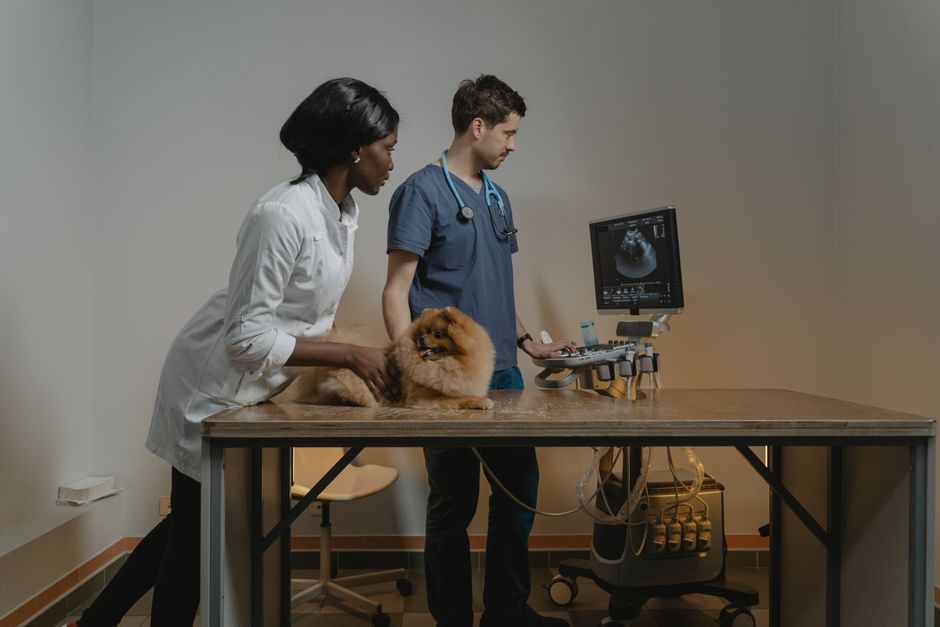
When it comes to heatstroke, prompt veterinary intervention is critical. As soon as you suspect your dog or cat may be suffering from heatstroke, bring them to ReadyVets immediately—no appointment needed. Our urgent-care facility is equipped with full in-house diagnostics, including laboratory testing, digital radiology, and ultrasounds, allowing us to assess your pet’s condition quickly and accurately. Upon arrival, our veterinary team will perform a physical exam, check your pet’s vital signs, and start cooling measures right away.
Treatment for heatstroke involves gradually lowering your pet’s body temperature using cool (not cold) water, intravenous fluids to rehydrate and support organ function, and oxygen therapy if needed. Additional care may include monitoring bloodwork for organ damage, administering medications to control seizures or shock, and providing advanced support such as blood and plasma transfusion services in severe cases. Because heatstroke can cause complications affecting the brain, heart, kidneys, and gastrointestinal system, our team will closely monitor your pet for signs of ongoing distress and provide round-the-clock stabilization as needed.
To further support your pet’s recovery, we may use our in-house diagnostic laboratory to evaluate organ function and tailor treatment to your pet’s specific needs. Every case of heatstroke is unique, and our veterinarians are committed to delivering compassionate, individualized care for your beloved companion.
Preventing Heatstroke at Home
While our team is always ready to provide emergency care, prevention is the best way to protect your pet from the dangers of heatstroke. During September’s warm weather, keep outdoor activities limited to early morning or late evening when temperatures are cooler. Always provide access to fresh water and shade, whether your pet is in the yard, on a walk, or traveling in the car. Never leave your dog or cat unattended in a vehicle, even with the windows cracked, as temperatures can rise to deadly levels within minutes. At home, ensure your pet has a cool, well-ventilated space to retreat to, and consider using fans or air conditioning on particularly humid days.
Be especially vigilant with breeds prone to overheating, older pets, or those with medical conditions. If your pet enjoys outdoor adventures, plan breaks in the shade and bring water along for both of you. Watch for early warning signs of overheating, such as excessive panting or reluctance to move, and bring your pet indoors at the first sign of distress. Remember, even a short walk in the midday sun can be dangerous during a heatwave or in high humidity.
When to Seek Emergency Veterinary Care
Heatstroke is always a medical emergency—if you suspect your dog or cat may be affected, do not wait to see if symptoms improve. Immediate action can save your pet’s life. As soon as you notice symptoms such as heavy panting, drooling, confusion, vomiting, collapse, or seizures, begin cooling your pet with cool water and bring them to ReadyVets right away. Walk-ins are welcome, and our extended evening and weekend hours mean we are here when your regular veterinarian may be closed. If you are unsure whether your pet’s symptoms require urgent attention, it is always better to err on the side of caution and seek professional advice. Our emergency veterinary care services are designed to provide rapid, life-saving intervention for your pet when every moment counts.
Protecting Your Pet in Taylors: ReadyVets Is Here for Heat Emergencies
Heatstroke is a serious threat for dogs and cats throughout the late summer and early fall here in Taylors and surrounding communities. By staying alert to the signs of heatstroke, understanding the risks unique to our local climate, and acting quickly in an emergency, you can help ensure your pet stays safe and healthy. If you ever find yourself searching for an "emergency vet near me," remember that ReadyVets welcomes walk-ins and is open late to provide urgent care when your regular veterinarian may not be available.
If you have any concerns about your pet’s risk for heatstroke or need immediate assistance, do not hesitate to visit us at 5314 Wade Hampton Blvd Suite A, Taylors, South Carolina 29687 or call (864) 920-2777. Our veterinary professionals are always ready to provide the compassionate, expert care your pet deserves—no appointment needed. For more information on our full range of emergency services and diagnostics, explore our comprehensive veterinary care options on our website. Your pet’s safety and wellbeing are always our highest priorities at ReadyVets.