Heat-Related Pet Emergencies: Signs and When to Seek Care

Heat-Related Pet Emergencies: Signs and When to Seek Care
As temperatures rise in Taylors and surrounding communities, pet owners often worry about how to keep dogs and cats safe from the dangers of heat. Spring and early summer in South Carolina can bring unexpected warm spells, making it crucial to recognize the signs of heat-related emergencies before they become life-threatening. At ReadyVets, located at 5314 Wade Hampton Blvd Suite A, Taylors, SC 29687, our urgent-care veterinary team specializes in providing rapid, expert care for heat stroke and other warm-weather emergencies. Walk-ins are always welcome; no appointment is needed, so you can count on us when minutes matter—especially during evenings and weekends when your regular vet may not be available. In this guide, you will learn how to spot the warning signs of heat stroke in pets, understand why these emergencies happen, discover what immediate actions to take at home, and know exactly when to seek veterinary help. Read on to protect your pet this season and find out how our emergency veterinary care services can make a difference when every second counts.
Recognizing the Signs of Heat-Related Emergencies in Pets
Spring and summer in the Upstate bring plenty of opportunities for outdoor fun, but they also increase the risk of heat-related illness in pets. Unlike people, dogs and cats cannot sweat to cool off; instead, they rely on panting and limited sweat glands in their paws. This makes them especially vulnerable to overheating, even in what might seem like mild weather.
Key symptoms of heat stroke in pets include heavy, excessive panting that does not resolve with rest, drooling that is thicker or stickier than usual, and bright red or pale gums. Pets may also show signs such as rapid heartbeat, weakness or staggering, vomiting, diarrhea, and collapse. In severe cases, seizures or loss of consciousness can occur. Cats tend to hide when unwell, so you might notice your cat seeking out cool, secluded spots or appearing lethargic and unresponsive.
It is important to remember that some pets are at higher risk than others. Brachycephalic breeds like Bulldogs, Pugs, and Persians, as well as older animals, overweight pets, and those with underlying heart or respiratory conditions, may develop symptoms more quickly and with less exposure to heat.
What Causes Heat Stroke and Heat Exhaustion in Dogs and Cats?
Heat stroke happens when a pet's body temperature rises above the safe threshold—generally above 104°F for dogs and cats—and the body's natural cooling mechanisms can no longer keep up. This can occur surprisingly quickly, especially in the humid climate of Taylors.
Common causes of heat stroke include being left in a parked car, even for a few minutes, or being outside without adequate shade or fresh water. Vigorous exercise during the hottest parts of the day, such as running, playing fetch, or even long walks on sunny afternoons, can put pets at serious risk. Hot pavement can also burn paw pads and contribute to overheating. Some pets develop heat exhaustion simply from lying in a sunbeam indoors if ventilation is poor.
Cats are less likely than dogs to develop heat stroke from exercise, but they can still overheat if trapped in warm rooms, garages, or sunrooms without airflow. Both species are vulnerable during sudden heat waves, particularly if their bodies have not yet acclimated to the higher temperatures of late spring.
How Our Emergency Veterinary Team Treats Heat-Related Emergencies
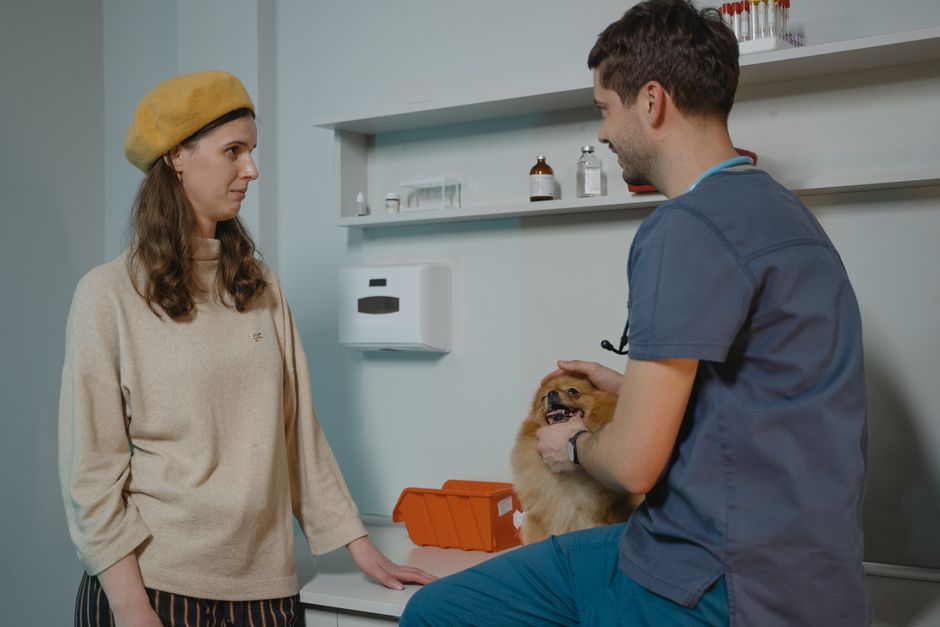
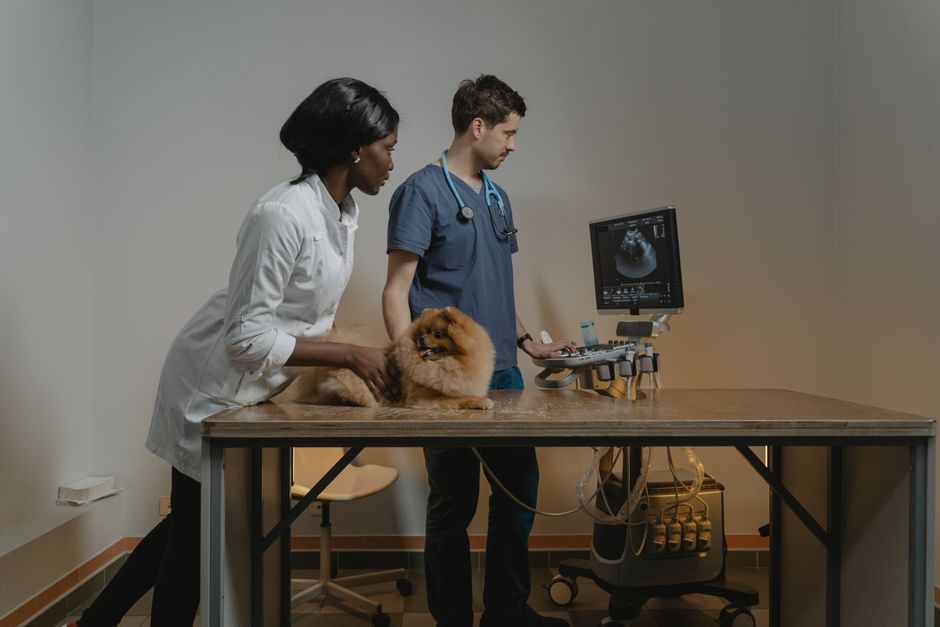
When your pet experiences signs of heat stroke, immediate veterinary intervention can mean the difference between life and death. At ReadyVets, our urgent-care facility is equipped with in-house diagnostics, advanced monitoring, and emergency treatments to rapidly stabilize your pet.
Our veterinary team will begin with a comprehensive physical exam, checking vital signs and assessing the severity of your pet’s condition. We use diagnostic tools such as bloodwork and in-house laboratory testing to evaluate organ function and detect complications like kidney damage or blood clotting disorders, which are common in severe cases of heat stroke.
Treatment approaches involve gradual cooling using cool (not ice-cold) water, intravenous fluids to rehydrate and support organ function, oxygen therapy, and medications to control seizures or shock if needed. We carefully monitor your pet’s temperature, heart rate, and breathing throughout the process. In some cases, additional interventions such as blood or plasma transfusions may be necessary to address complications.
It is important for pet owners to avoid trying to cool their pet too quickly at home, such as by using ice baths, as this can cause dangerous drops in body temperature or shock. Instead, bring your pet to our clinic as soon as possible so that our team can initiate safe, controlled treatment.
Preventing Heat Stroke and Keeping Pets Safe at Home
Prevention is the best defense against heat-related emergencies. Simple steps can make a big difference in keeping your pet safe during the warmer months. Always provide access to fresh, cool water and shade when your pet is outdoors. Limit exercise to the early morning or late evening when temperatures are lower, and take frequent breaks during play. On hot days, keep walks brief and avoid asphalt or concrete surfaces that can become dangerously hot. Never leave your pet alone in a car, even with the windows cracked, as temperatures inside can rise rapidly to fatal levels.
For at-risk pets, consider cooling mats, fans, or air conditioning indoors. If you notice your dog or cat panting more than usual, seeking out cool areas, or showing any early warning signs, move them to a cooler environment and offer water right away. For cats, ensure there are shaded, well-ventilated spots available throughout your home.
Monitor local weather forecasts and be mindful of heat advisories, especially during unexpected warm spells in the spring. Even healthy pets can struggle with the sudden onset of high temperatures. Taking these precautions can help reduce the risk of heat stroke and keep your pets comfortable and safe all season long.
When to Seek Immediate Veterinary Care
Knowing when to act is critical during a suspected heat stroke or heat exhaustion event. If your pet shows any of the severe signs discussed—such as collapse, unresponsive behavior, seizures, vomiting, diarrhea, or gums that appear bright red, pale, or blue—bring them to ReadyVets immediately. Do not wait for symptoms to improve on their own, as heat stroke can cause irreversible organ damage within minutes.
Our clinic welcomes walk-ins, so you never need an appointment to access lifesaving care. We are open late every day, including weekends, to ensure your pet receives prompt attention whenever emergencies strike. If you are unsure whether your pet’s symptoms are serious, it is always better to err on the side of caution and visit our facility for an assessment.
Early intervention dramatically increases the chances of recovery. Our emergency veterinary care services are designed to provide rapid, expert treatment when time is of the essence. Trust our veterinary professionals to guide you through every step of your pet’s care during a crisis.
How ReadyVets Supports Pet Owners in Taylors and Beyond
At ReadyVets, we understand how frightening it can be to watch your pet struggle with a heat-related emergency. Our entire team is dedicated to providing compassionate, skilled care to dogs and cats throughout Taylors and the surrounding communities. We encourage you to familiarize yourself with the signs of heat stroke, take preventive steps at home, and act quickly if you notice anything concerning.
If you ever find yourself searching for an emergency vet near me in Taylors, know that our clinic is ready to help—no appointment needed, and walk-ins are always welcome. For more information about our comprehensive services and what to expect during a visit, explore our emergency veterinary care and pet diagnostic laboratory pages.
Should you have questions or need urgent assistance, visit us at 5314 Wade Hampton Blvd Suite A, Taylors, SC 29687, or call us at (864) 920-2777. Our veterinary team is here for you and your pet whenever emergencies arise, providing the advanced care and support you need to navigate even the most stressful situations with confidence.
This blog is for informational purposes only and does not replace professional veterinary advice. If you are concerned about your pet’s health, please seek immediate attention from a qualified veterinarian.