First Aid Steps for Common Summer Pet Emergencies
First Aid Steps for Common Summer Pet Emergencies
Summer in Taylors, SC is a time for outdoor adventures with your four-legged family members, but it also brings some unique risks for dogs and cats. Whether you are out for a walk, relaxing in the backyard, or traveling, unexpected emergencies like wounds, bee stings, or heat-related issues can happen in an instant. Knowing what to do in those critical first moments can make a world of difference for your pet’s outcome.
At ReadyVets Veterinary Urgent Care, located at 5314 Wade Hampton Blvd Suite A, Taylors, South Carolina 29687, we understand how stressful these situations can be. That is why our urgent-care veterinary clinic welcomes walk-ins—no appointment needed—and offers immediate diagnostics and emergency care during extended hours. In this guide, you will learn how to recognize common summer pet emergencies, practical first aid steps, and when it is time to seek emergency veterinary care. If you find yourself facing a crisis with your dog or cat, our team of veterinarians is here to help whenever your regular vet is unavailable.
Recognizing Common Summer Pet Emergencies in Dogs and Cats
When the weather heats up, pets are exposed to hazards that can catch any pet owner off guard. Quick recognition is crucial; knowing what to watch for means you can act fast and get your pet the help they need.
Signs of Heatstroke and Heat Exhaustion
Heatstroke is one of the most dangerous summer emergencies for pets in South Carolina. Warning signs include excessive panting, drooling, difficulty breathing, bright red gums, vomiting, diarrhea, weakness, confusion, and collapse. In severe cases, seizures or loss of consciousness may occur. Even short periods in a hot car or intense play outdoors can put your pet at risk.
Symptoms of Bee Stings and Insect Bites
Bee stings and insect bites can be more than just a nuisance. Watch for sudden swelling, redness, localized pain, limping, or pawing at the face. Some pets may develop hives, facial swelling, or difficulty breathing, which are signs of a severe allergic reaction (anaphylaxis).
Identifying Wounds and Traumatic Injuries
Outdoor activities and summer gatherings can result in cuts, scrapes, or puncture wounds. Signs include visible bleeding, lacerations, limping, tenderness, or reluctance to move. More severe injuries may involve deep wounds, exposed tissue, or persistent bleeding.
Other Common Summer Dangers
Additional emergencies to be aware of include ingestion of toxic plants, chemicals (like lawn treatments), snake bites, and water-related injuries. Symptoms vary, but sudden vomiting, drooling, difficulty breathing, or behavioral changes always warrant immediate attention.
Why Do These Emergencies Happen? Understanding the Summer Risks
Summer brings increased activity and exposure to outdoor elements, which increases the chances of accidents and health issues for pets in Taylors and the surrounding communities.
Heatstroke: Why It Happens
Dogs and cats are not as efficient at cooling themselves as humans. Hot, humid weather, vigorous play, and lack of shade or water can quickly overwhelm their ability to regulate body temperature. Brachycephalic breeds (such as Bulldogs and Pugs), senior pets, and those with underlying health issues are especially vulnerable.
Bee Stings and Insect Encounters
Curious pets often chase insects or dig near nests, leading to stings or bites. Some dogs and cats are hypersensitive to insect venom, causing more severe reactions than others.
Wounds and Outdoor Play
Sharp objects hidden in grass, rough play, or encounters with wildlife can easily cause wounds. The risk increases with more time spent outside, especially in unfamiliar environments like parks or during travel.
Toxic Exposures
Many summer products and plants are hazardous to pets, including fertilizers, insecticides, and certain flowers. Accidental ingestion or skin exposure can lead to sudden illness.
First Aid for Summer Pet Emergencies: Immediate Steps You Can Take
Taking the right action in the first few moments of an emergency can help stabilize your pet until you reach veterinary care. While first aid is never a substitute for professional treatment, these steps can help minimize harm.
What to Do If You Suspect Heatstroke
If your pet is showing signs of overheating, move them immediately to a shaded or cool area. Offer small amounts of cool (not ice-cold) water if your pet is alert and able to drink. Use cool, damp towels on their paws, belly, and armpits to help lower body temperature, but avoid covering the entire body or using ice directly, as this can cause shock. Do not force water or attempt to cool your pet too rapidly. Heatstroke is a medical emergency—prompt veterinary attention is essential.
Addressing Bee Stings and Allergic Reactions
For bee stings, try to remove the stinger by scraping it with a credit card or fingernail; avoid using tweezers, as this can squeeze more venom into the skin. Apply a cool compress to the area to reduce swelling. If your pet develops facial swelling, difficulty breathing, vomiting, or collapses, seek emergency care immediately; these are signs of a severe allergic reaction. Never administer medications like Benadryl or antihistamines without guidance from a veterinarian, as dosing errors can be dangerous.
Caring for Cuts, Wounds, and Bleeding
If your pet suffers a wound, gently clean the area with saline solution or clean water. Apply gentle pressure with a clean cloth to control bleeding. Avoid using hydrogen peroxide or alcohol, as these can delay healing or cause pain. Cover the wound with a clean, non-stick bandage if possible, but do not attempt to close deep wounds yourself. If bleeding is severe, will not stop, or if the wound is large or deep, urgent veterinary attention is needed. For more information on how our team can help, visit our wound repair services.
What About Ingested Toxins or Snake Bites?
If you suspect your pet has ingested something toxic, collect any packaging or plant material to bring with you to the clinic. Do not induce vomiting unless specifically instructed by a veterinarian. For snake bites, try to keep your pet calm and restrict movement to slow the spread of venom. Immediate veterinary care is vital in both situations.
How ReadyVets Provides Immediate Emergency Care
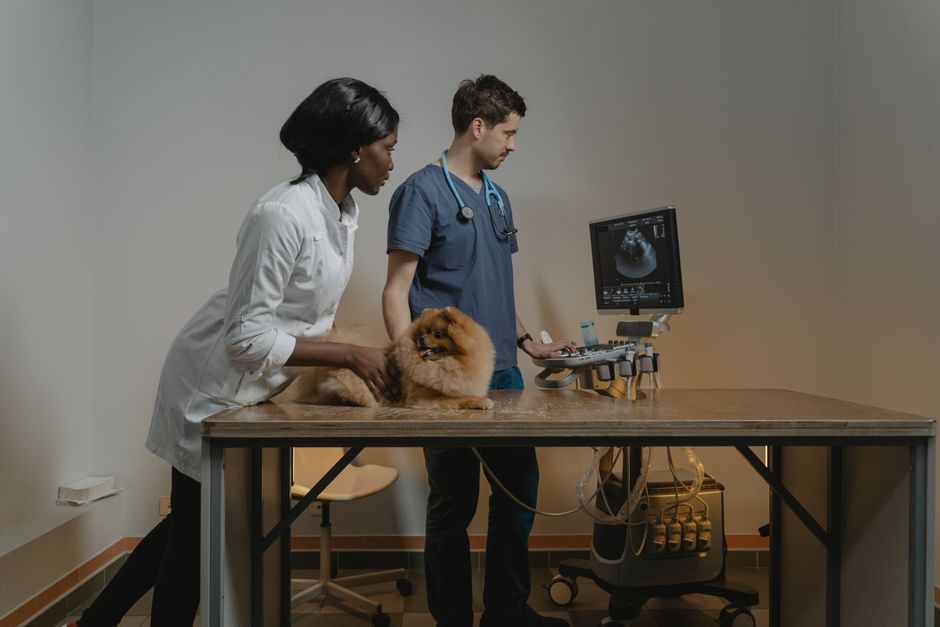
At ReadyVets, we understand that emergencies can happen at the most inconvenient times—often when your regular veterinarian is closed. Our urgent-care veterinary clinic in Taylors is equipped with full in-house diagnostics, including a pet diagnostic laboratory, digital radiology, and ultrasound. Our team of veterinarians is trained to handle a wide variety of urgent medical and surgical situations for both dogs and cats.
Walk-ins are always welcome; you never need an appointment for emergency care. Whether your pet needs wound repair, treatment for heatstroke, help with allergic reactions, or evaluation after ingesting something toxic, we are here to provide rapid assessment, stabilization, and advanced care. Our emergency veterinary care services ensure that your pet receives the immediate attention they need, day or evening, seven days a week.
Preventing Summer Pet Emergencies: Tips for a Safer Season
While not all emergencies can be avoided, there are simple steps you can take to reduce risks for your dog or cat this summer.
Keep pets indoors during the hottest parts of the day, and always provide access to cool water and shade when outside. Avoid strenuous exercise when temperatures and humidity are high, and never leave your pet in a parked car, even for a short time. Inspect your yard for hazardous plants, chemicals, and sharp objects before letting pets roam freely.
When walking in areas where bees or insects are active, keep your pet on a leash and discourage digging or sniffing near nests. During outdoor gatherings, ensure that food, drinks, and other potential toxins are out of reach. In unfamiliar environments, supervise your pet closely and be prepared to act quickly if something seems wrong.
Having a basic pet first aid kit at home and knowing where the nearest urgent care veterinary clinic is located can make all the difference during an emergency.
When to Bring Your Pet for Urgent Veterinary Care
Some situations require immediate veterinary attention, and delaying care can put your pet at serious risk. Bring your dog or cat to ReadyVets right away if you notice any of the following:
Persistent vomiting or diarrhea, especially with blood; difficulty breathing; collapse or unresponsiveness; uncontrolled bleeding; seizures; severe pain; swelling of the face or throat; or any sudden behavioral changes after exposure to heat, insects, or possible toxins.
If you are ever unsure whether your pet's situation is an emergency, it is always safer to err on the side of caution. Our team is available during extended hours to provide rapid assessment and care, so you never have to wait for an appointment or worry about after-hours emergencies.
Your Local Resource for Immediate Pet Care in Taylors, SC
Summer should be a time of joy and adventure for you and your pets—not anxiety over what to do when something goes wrong. By recognizing the signs of common summer emergencies, understanding basic first aid, and knowing where to turn for help, you can keep your dog or cat safer all season long.
At ReadyVets Veterinary Urgent Care, we are committed to providing fast, compassionate, expert care for pets in Taylors and surrounding communities. Our walk-in clinic is open late and on weekends, so you always have access to immediate help when you need it most. The next time you search for an "emergency vet near me," remember that our veterinary care services are here to support you and your pet through any crisis.
If your dog or cat is experiencing a summer emergency, do not wait—walk in today or call our team of veterinarians at (864) 920-2777. For directions, find us at 5314 Wade Hampton Blvd Suite A, Taylors, South Carolina 29687. Your pet’s health and safety are always our top priority.
Disclaimer: This blog provides general first aid information for educational purposes only and is not a substitute for professional veterinary care. Always seek immediate veterinary attention if your pet is experiencing an emergency.