Cat Vomiting and Diarrhea: When It’s an Emergency

Cat Vomiting and Diarrhea: When It’s an Emergency
When your cat starts vomiting or has diarrhea, it can be alarming and stressful—especially if these symptoms appear suddenly or seem severe. At ReadyVets, located at 5314 Wade Hampton Blvd Suite A, Taylors, SC 29687, our urgent-care veterinary clinic is here to help when you need us most. Cat vomiting and diarrhea are among the most common reasons cat owners in Taylors and surrounding communities seek emergency veterinary care. In this post, we’ll help you understand when these symptoms are cause for concern, the possible underlying causes, and what to expect during a walk-in emergency visit. Remember, walk-ins are always welcome at our clinic—no appointment is needed, and our extended hours mean we are open when your regular vet isn’t available. Whether you’re worried about a single episode or your cat is showing ongoing distress, our veterinary team is ready to provide fast, reliable diagnosis and treatment for your feline friend.
Recognizing Cat Vomiting and Diarrhea: Signs That Matter
It’s not unusual for a cat to have the occasional hairball or mild stomach upset, but certain warning signs mean you should pay closer attention. Cat vomiting and diarrhea may show up as obvious episodes, with your cat retching or producing loose, watery stools. Other symptoms to watch for are repeated vomiting, blood in vomit or stool, lethargy, refusal to eat or drink, sudden weight loss, and signs of abdominal pain such as crying, hunching, or hiding. In some cases, you might notice your cat making frequent trips to the litterbox without producing much stool, or you may see them straining with discomfort.
Cats are experts at hiding illness, so subtle changes like decreased grooming, hiding in unusual places, or acting withdrawn can also indicate underlying problems. If your cat is a kitten, a senior, or has a chronic health condition, even mild symptoms can escalate quickly and require emergency attention. Persistent vomiting and diarrhea can lead to dehydration and dangerous electrolyte imbalances within hours, especially in smaller or frail cats. If you see any of these urgent warning signs, it’s best to seek immediate care at a clinic equipped for emergencies.
What Causes Vomiting and Diarrhea in Cats?
Understanding why cat vomiting and diarrhea happen can help you respond quickly and appropriately. These symptoms are not diseases themselves, but signals that something is wrong with your cat’s digestive system or overall health. Common causes include dietary indiscretion, such as eating spoiled food, foreign objects, or toxic plants. Sudden changes in diet, food allergies, and intolerance to certain treats or medications may also trigger digestive upset.
Cats are prone to infectious diseases like viral or bacterial gastroenteritis, especially if they have been exposed to new environments or other animals. Parasites, such as roundworms or giardia, are another frequent culprit, particularly in outdoor or newly adopted cats. More serious underlying problems can include pancreatitis, liver or kidney disease, hyperthyroidism, or even gastrointestinal obstructions caused by swallowing string, toys, or other non-food items.
In some cases, vomiting and diarrhea may be related to stress, such as changes in the household or the addition of new pets. Because there is such a wide range of possible causes—from mild to life-threatening—it’s important to have a thorough evaluation by a veterinary professional who can perform the right diagnostic tests onsite. At ReadyVets, our diagnostic laboratory services and in-house imaging tools help us quickly determine the root of your cat’s symptoms so we can start targeted treatment right away.
Emergency Veterinary Care for Vomiting and Diarrhea
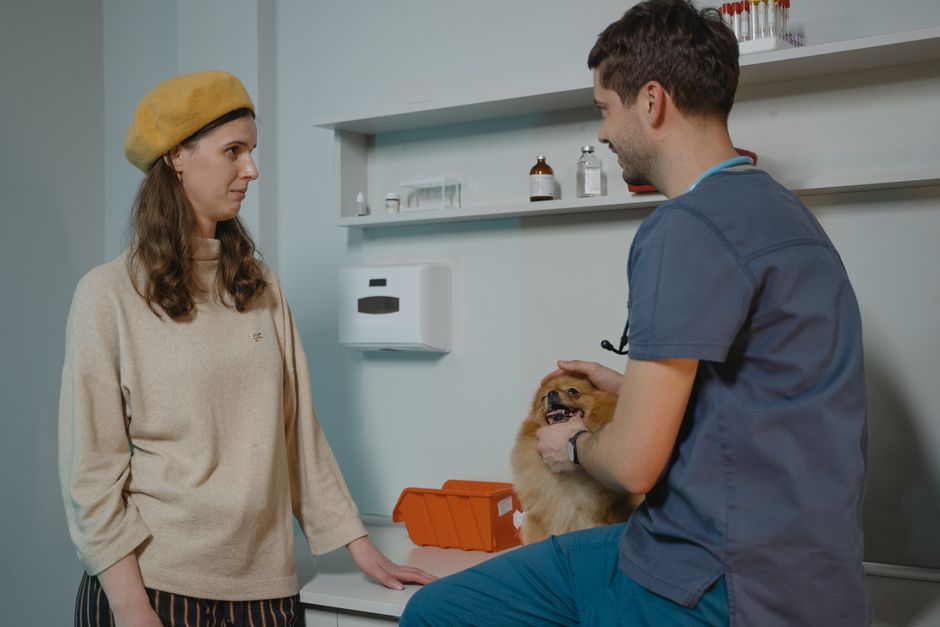
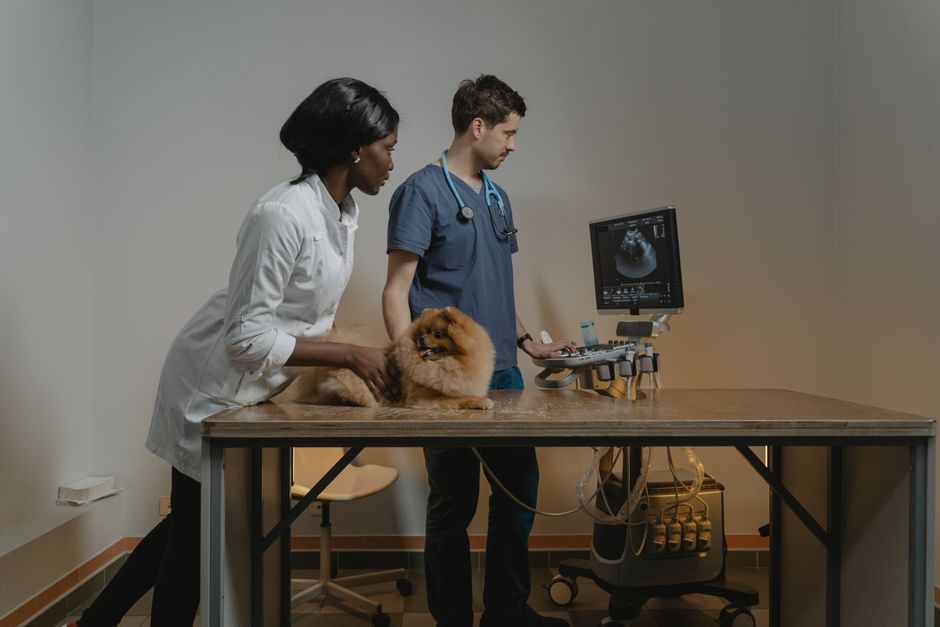
When you arrive at ReadyVets with a cat experiencing vomiting and diarrhea, our veterinary team will begin with a comprehensive physical exam and review of your cat’s medical history. We may ask about recent diet changes, exposure to toxins, or access to strings, ribbons, or other objects. Depending on your cat’s symptoms, our team may recommend point-of-care bloodwork, fecal testing, or imaging such as digital radiology and veterinary ultrasound services to rule out blockages or organ abnormalities.
Treatment approaches involve stabilizing your cat through intravenous fluids to address dehydration and correct electrolyte imbalances. If infection is suspected, tailored medications may be administered. In cases where a foreign body or obstruction is found, emergency surgery may be required. Cats experiencing severe or ongoing vomiting and diarrhea may need hospitalization for close monitoring and additional supportive care.
Throughout the process, our goal is to keep you informed and involved in your cat’s care. Our emergency veterinary care services are designed for rapid response and effective treatment, so your cat receives the attention they need without delay. Since walk-ins are always welcome, there is no need for an appointment—just bring your cat in as soon as you notice concerning symptoms.
Home Care and Prevention: Supporting Your Cat’s Digestive Health
While some cases of vomiting and diarrhea require immediate veterinary intervention, there are steps you can take at home to support your cat’s digestive health. Feeding a consistent, high-quality diet and avoiding sudden changes can help reduce digestive upset. Ensure your cat has access to clean, fresh water at all times, and keep household plants, medications, and small objects out of reach to prevent accidental ingestion.
If your cat has a sensitive stomach, discuss dietary options and feeding routines with your veterinarian. Routine deworming and regular wellness exams can help catch underlying health issues early. Reducing stress by maintaining a stable environment and providing safe spaces to hide can also minimize digestive disturbances.
If your cat has experienced mild vomiting or diarrhea but is otherwise acting normally, you can monitor closely at home for a short period. However, if symptoms persist beyond a day, worsen, or are accompanied by troubling signs such as blood, lethargy, or refusal to eat or drink, it’s time to seek professional help.
When to Seek Emergency Veterinary Care for Cat Vomiting and Diarrhea
It can be difficult to know when home monitoring is enough and when a trip to the emergency clinic is necessary. Immediate veterinary care is needed if your cat is vomiting repeatedly, cannot keep water down, or has diarrhea lasting more than 24 hours. Additional red flags include blood in vomit or stool, severe lethargy, collapse, pale gums, or signs of severe abdominal pain.
Young kittens, elderly cats, and those with chronic health problems are at greater risk for complications and should be brought in promptly at the first sign of trouble. If your cat has ingested a known toxin or foreign object, do not wait—bring them in for evaluation right away.
At ReadyVets, our urgent-care model means we are here for you during evenings, weekends, and holidays—whenever your regular vet may be closed. Walk-ins are always welcome, so you never need to wait for an appointment when your cat’s health is at risk. Our team of veterinarians has the experience and diagnostic capabilities to deliver fast, compassionate care for Taylors and surrounding communities.
Peace of Mind Starts at ReadyVets: Your Local Emergency Vet
Cat vomiting and diarrhea can quickly become serious, but you do not have to face these emergencies alone. The team at ReadyVets is committed to providing timely, expert care for your cat—so you can have peace of mind knowing help is always available. If you notice concerning symptoms or simply feel unsure about your cat’s condition, our doors are open for walk-in exams and emergency treatment.
We encourage you to reach out or visit us at 5314 Wade Hampton Blvd Suite A, Taylors, SC 29687 whenever you need urgent help. You can call us at (864) 920-2777 for questions about our services or to let us know you are on your way. When searching for an emergency vet near me, trust ReadyVets to deliver the prompt, advanced care your cat deserves.
For additional information about gastrointestinal concerns in pets, visit our gastrointestinal care page. Remember, your cat’s health and comfort are our top priorities—walk-ins are always welcome, and we are here to help you through every emergency. If you ever notice signs of cat vomiting and diarrhea, don’t wait—visit ReadyVets right away for expert support and compassionate care.
This article is for informational purposes only and does not replace individualized veterinary advice. If your cat is showing signs of illness, consult a veterinarian immediately.